Where Two Rivers and the Taiga Set the Pace

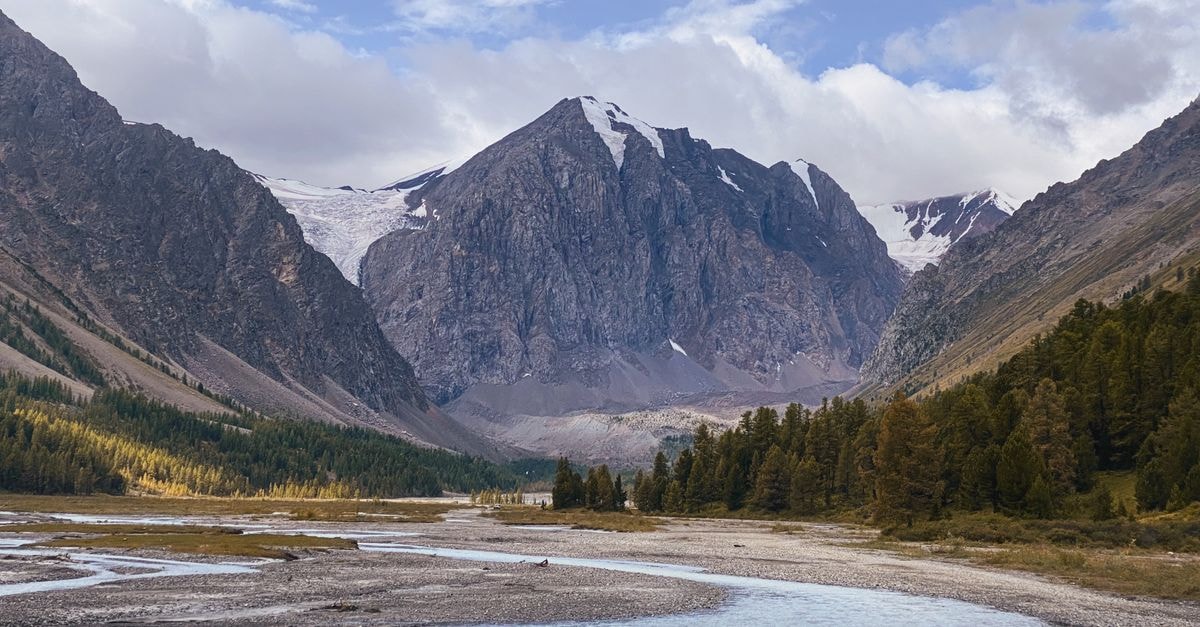
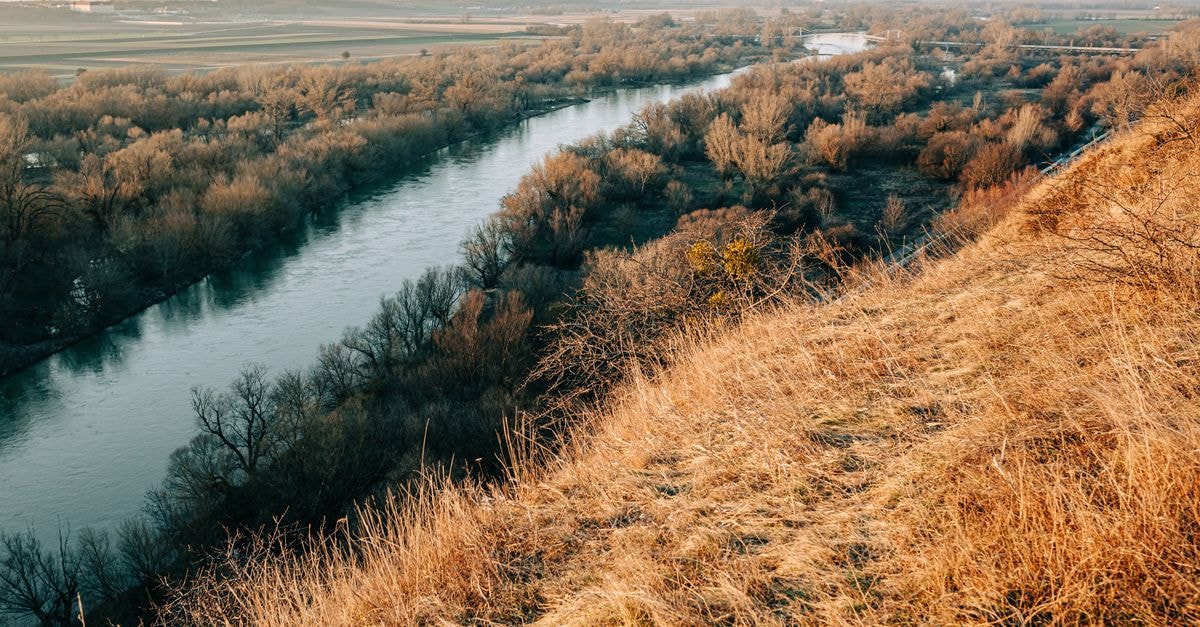
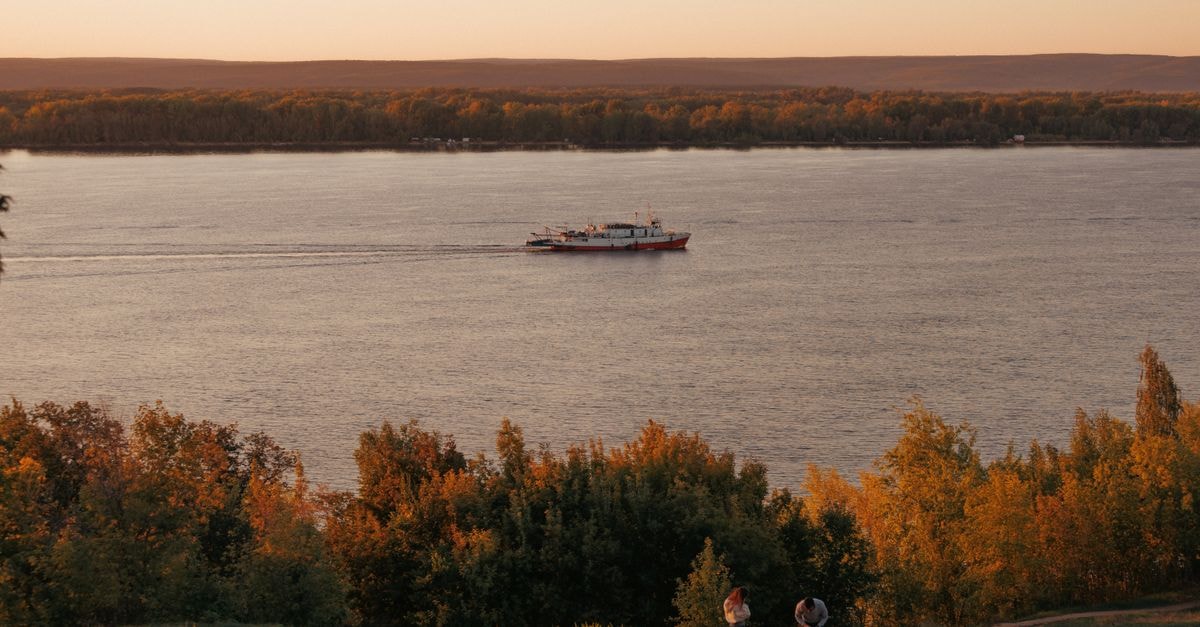
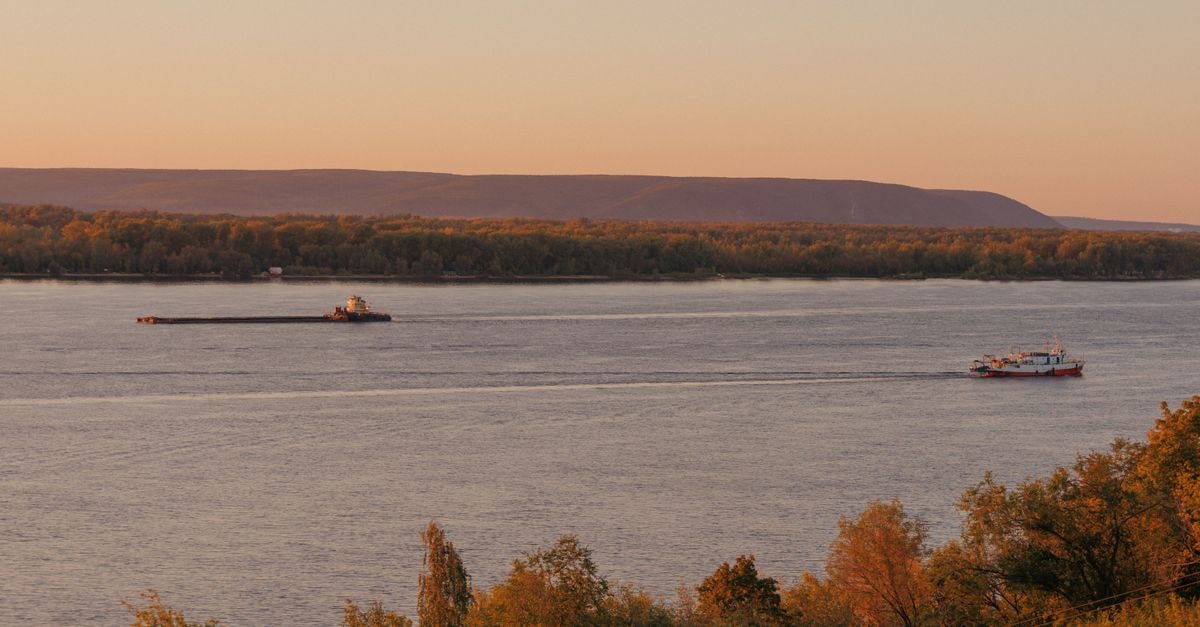
There is a particular kind of stillness in Khanty-Mansiysk, the administrative capital of Khanty-Mansi Autonomous Okrug in western Siberia. The city sits at the confluence of the Irtysh and the Ob, and from almost anywhere along the waterfront you can feel how the rivers set the rhythm of the place. Beyond that waterline, the West Siberian plain stretches outward into a vast, soft-edged taiga, and the city reads, at first glance, less like a typical Russian provincial capital and more like a basecamp on the edge of something much larger.
For travelers used to the bright lights and dense history of Moscow, this is a different register. Khanty-Mansiysk is a city of fresh air, long horizons, and a population that includes indigenous peoples such as the Khanty and Mansi, who have preserved their traditions and customs over centuries. Visiting here is less about ticking off a long checklist of urban sights and more about slowing down to the pace of the land and water around you.
Weather and Seasonal Context
The city is situated at the confluence of the Irtysh and Ob rivers, surrounded by vast taiga and picturesque landscapes that reflect the region's natural beauty, and that setting shapes how the weather actually feels. Without anchoring this guide to a single month, it helps to think about the climate in broad strokes. Western Siberia is known for sharp seasonal swings: summers that can feel surprisingly warm along the riverbanks, and winters that arrive early and stay long, with snow cover typically locking in well before the end of the calendar year.
Practical local travel guides for the city, including overview pages aimed at international visitors, exist to provide current and up-to-date info on everything from must-see scenic spots to local hangouts, and they are the natural place to confirm what conditions are like in the week you plan to travel. Pack in layers regardless of season. A windproof outer shell is useful year-round on the open river crossings, while warm base layers matter more than a heavy coat once the snow settles in. If you prefer a quieter pace, consider planning outdoor time for the middle of the day when conditions are most comfortable, and save indoor museums and cultural centers for the edges of the day when temperatures drop.
Wildlife on the Edges of the City
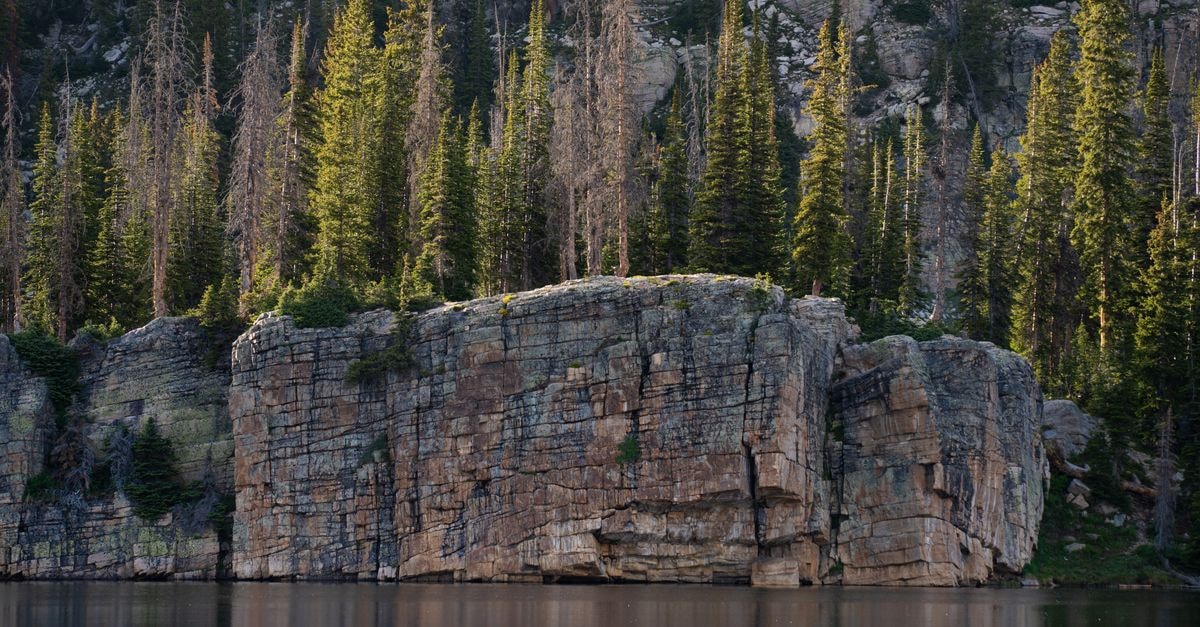
Khanty-Mansiysk is surrounded by the pristine wilderness of the West Siberian plain, offering opportunities to see unique wildlife, and that is one of the strongest reasons to come here at all. The region is particularly known for its bird species, including Siberian cranes and black storks, which are best seen during the migratory seasons in spring and autumn. For a bird-focused traveler, this single fact reframes the whole trip: the city is not just a destination, it is a staging post for ornithology.
Food and Local Context
Khanty-Mansiysk does not have a widely documented single signature cuisine, and it is more useful to think of the city as a place where broader Russian food culture is present in everyday form. A nationwide project dedicated to Russian food culture has helped to put all these pieces into one delicious puzzle that includes 65 online exhibitions about Russia's food culture and a large image and video archive drawn from different parts of the country. Many dishes now popular in Russia were actually borrowed from neighboring peoples: Bashkir and Tatar traditions influenced Ural cuisine, while along the Volga the recipes of the Chuvash, Mari and German peoples who settled in the Volga Region in the late 18th century left their mark on local dishes. Recipes from the Caucasus reached the south of Russia, while the proximity of far east Siberia to the Pacific Ocean led to the preparation of borscht with seaweed, fish soup from salmon and dumplings with squid. For visitors, that translates into an expectation that restaurant menus will draw on familiar Russian templates: soups, dumplings, grilled fish, hearty meat dishes, and strong tea culture, with regional and indigenous twists depending on the kitchen.
Choosing What Fits the Trip
The way you approach Khanty-Mansiysk really depends on what you want the trip to feel like. If you are drawn to birdwatching and quiet natural landscapes, the migratory seasons along the river floodplains will define your itinerary, with the city serving as a comfortable base rather than the main attraction. If indigenous Khanty and Mansi culture is your focus, plan time for local museums, cultural centers, and any exhibitions or events that document traditions and customs preserved over centuries. If you are simply looking for a slower, distinctly Siberian city experience centered on the meeting point of two great rivers, the embankments and taiga viewpoints will likely be enough.
Before You Go
Conditions in Khanty-Mansiysk, from weather and road access to museum and cultural venue opening hours, can change. Confirm current details through your accommodation, the local visitor information services, or official municipal channels before departure. If you are traveling specifically for birdwatching, verify migration timing locally rather than relying on general guides, as sightings of Siberian cranes and black storks depend on conditions in a given year.
Prices, opening hours, schedules, reservation rules, and local conditions can change; verify them through official channels before departure.
Share this article
TOOLS FOR THIS PLAN
Make the Khanty-Mansiysk plan measurable
Choose a tool only when it answers the next question in your trip. Your values stay in the browser, and each tool offers a route back to this planning context.