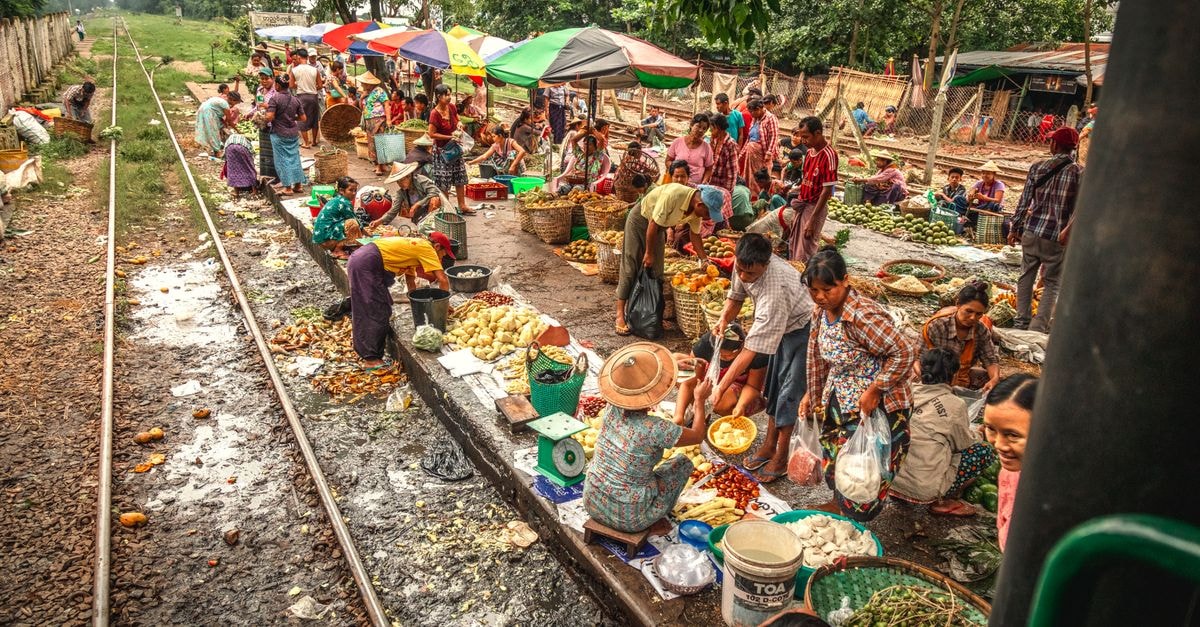
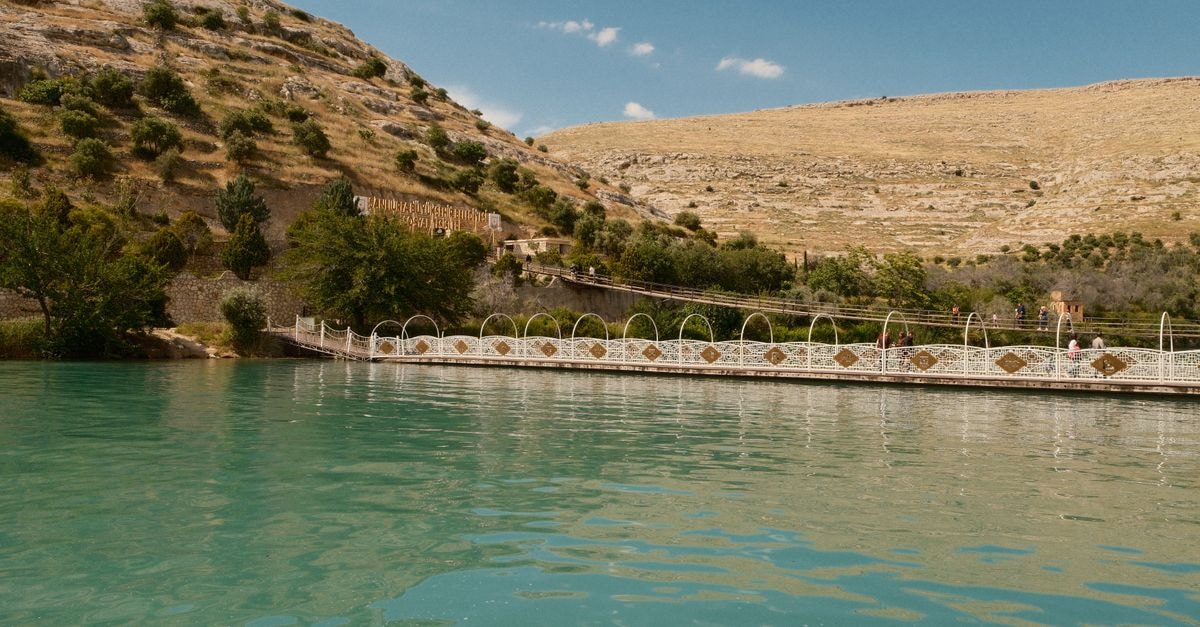
Setting the Scene
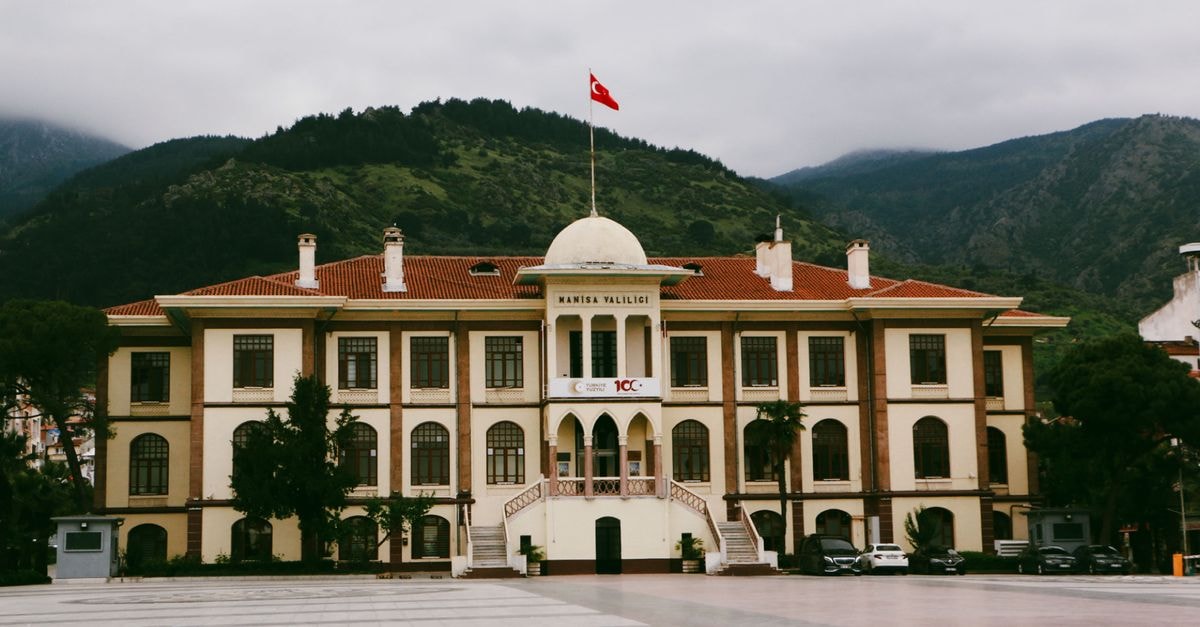
Tucked beneath the pine-forested flanks of Mount Spil in western Türkiye, Manisa is the kind of city that rewards unhurried exploration. It is a place where ancient Lydian history, Ottoman monumentality and a striking volcanic landscape unfold across the broader region, all connected by the gentle rhythm of the modern city below. Travelers who enjoy stitching together archaeology, geology and old-town atmosphere often find Manisa more layered than its modest reputation suggests, with each day able to take on a very different character depending on which direction you choose to wander.
Weather and Seasonal Context
Manisa sits in a Mediterranean climate that nudges toward four-season variety, with hot summers and cooler, rainier winters. Because the city spreads from the valley floor up toward Mount Spil, conditions can shift noticeably within a single day. Travelers who prefer a gentler pace may want to plan longer outdoor stops earlier in the day, then return to the lowland city when the sun is strongest.
The most rewarding way to approach Manisa is to give each day one geographic purpose (F3-1). The three journeys on offer are quite distinct. There is the Lydian capital and royal tombs around Salihli, the volcanic landscapes around Kula, and the Ottoman monuments beneath Mount Spil in the modern city itself (F2-2). Knowing which journey you want on a given day helps you pack appropriately, whether that means a layer for cooler hill country near Kula, sun protection for open archaeological ground, or a light scarf for the breezier slopes of Mount Spil.
*Climate note: actual temperatures and conditions vary, and visitors should check forecasts close to departure.*
Getting Around
Manisa's three signature journeys each have their own geographic anchor, so the most useful travel habit is to plan transport around destinations, not around distance alone. The city's own core, where the Ottoman monuments and Mount Spil views live, is best explored at street level on foot, while the Lydian and Kula routes sit further afield and benefit from a dedicated day of their own.
If you intend to combine Sardis, Mount Spil, the UNESCO Global Geopark at Kula and the Mesir festival, give each a separate slot in your plans and arrange onward transport accordingly (F4-1). Travelers who dislike rushing through site after site often find that anchoring one theme per day keeps the experience enjoyable rather than exhausting. Within the city, slow walks between monuments tend to surface small details, courtyard views and tea spots that are easy to miss from a vehicle window.
Attractions and Planning
The heart of Manisa is the dense Ottoman quarter that rises toward Mount Spil. Its monuments, including the celebrated Sultan Mosque complex and the associated heritage buildings, give the city much of its character. For travelers who appreciate layered history, walking from the lower bazaar streets up through the Ottoman core creates a natural narrative thread, with the mountain acting as a constant backdrop.
Official Manisa sources frame the city around the same themes visitors tend to discover for themselves: its government and civic services, the rhythm of daily life and the way history stays present in the streetscape (F6-1). The official visitor page and its companion piece on roadside food stops offer local-perspective framing for travelers pairing monuments with a leisurely meal (F5-1, F5-2).
Food and Local Context
Manisa sits within a wider Turkish culinary tradition shaped by regional produce, long-standing street-food culture and tea and coffee habits that frame almost every outing (F8-1). National context, including how the country is geographically positioned between Europe and Asia (F8-2), helps explain why Manisa's tables share flavor notes with neighbors further east, the Aegean coast and the interior, all at once.
Within the city itself, food is less about a single signature dish and more about unhurried meals that punctuate a day of walking. Visitors who enjoy grazing their way through a new city tend to appreciate this rhythm: a small breakfast, a midday stop near a monument and a slower evening meal, often paired with çay at the end. Because national food culture varies so widely across Türkiye, travelers with strong preferences should ask locally for current recommendations rather than assume any single dish or vendor defines the experience here.
Choosing What Fits Your Trip
A few tradeoffs, supported by the evidence above, may help shape your approach. If you prefer a single theme per outing, giving each day one geographic purpose may suit you, since the Lydian sites around Salihli, the volcanic landscapes of Kula and the Ottoman monuments beneath Mount Spil each involve their own geography and pace (F3-1, F2-2). Those drawn to Ottoman architecture may find that two slow days in the city itself, including Mount Spil viewpoints, are more rewarding than a single packed heritage circuit. If volcanic landscapes and geology fascinate you, consider giving Kula its own sunrise-to-sunset slot rather than treating it as an add-on. Visitors who enjoy mixing meals with sightseeing sometimes plan an Ottoman-monuments morning and a lowland food stop in the afternoon, which mirrors how the city's own daily rhythm tends to unfold.
A Quick Verification Note
Because specific opening hours, transport timetables, festival dates and roadside services can change, the best preparation for a Manisa trip is to confirm current details through the official provincial visitor page and local sources shortly before you travel. Treat any third-party itinerary as a starting point rather than a final plan, and let the city itself guide your pace once you arrive.
Prices, opening hours, schedules, reservation rules, and local conditions can change; verify them through official channels before departure.
Share this article
TOOLS FOR THIS PLAN
Make the Manisa plan measurable
Choose a tool only when it answers the next question in your trip. Your values stay in the browser, and each tool offers a route back to this planning context.