Why Turkmenabat Feels Like a Quiet Pause
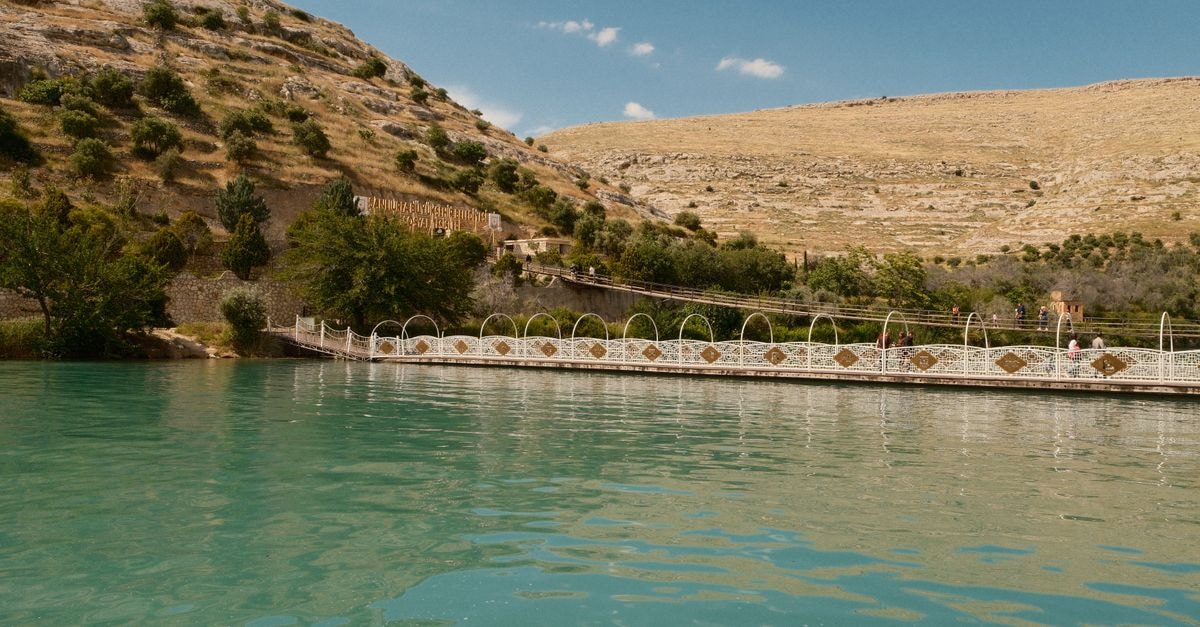
Turkmenabat has the unhurried atmosphere of a city that measures time by the Amu Darya rather than by the clock. Set right along the river, it carries the easy rhythm of a place where people gather, talk, and move at their own pace. The river is more than a backdrop; it is the reason the city exists here, and it gives the whole place a softer edge than you might expect from a regional capital.
This is the kind of destination that suits travellers who enjoy places still finding their tourism rhythm. There are no checked-off sights to tick through, no themed districts to compare, and no polished walking route that promises an itinerary in three hours. Instead, you get a working eastern city that opens up gradually to anyone willing to look around rather than rush past.
If your travel style leans toward slow mornings, long walks along a riverbank, and an interest in how a region actually functions day to day, Turkmenabat can feel like a rewarding stop. It is less about doing everything and more about letting a place introduce itself.
Weather and Seasonal Context
Turkmenabat sits on the banks of the Amu Darya River, and the river is a defining feature of daily life here. As the administrative centre of Lebap Province, the city has the feel of a regional capital that organises much of the surrounding territory while still maintaining a relaxed pace. It is the second-largest city in eastern Turkmenistan, which means it carries enough infrastructure to feel functional without ever feeling overdeveloped.
Because the city is built around the river, warm temperatures can make the waterfront the natural place to slow down. Long stretches of shade along the banks can feel especially welcoming when the sun is high. Travellers who prefer gentler pacing may find that early mornings and late afternoons along the river suit them well, with the middle of the day reserved for somewhere covered or simply for pausing.
The climate here tends toward the dry and sunny side of Central Asia, so a light layer for air-conditioned interiors and something breathable for outdoor hours is a sensible pairing. Light evenings can come quickly once the sun drops, so a thin extra layer is useful for riverside strolls that stretch past sunset.
For travellers who prefer to plan their day around the rhythm of the sun, this city rewards a slower schedule. A few hours by the Amu Darya, a shaded café stop, and a relaxed wander through the surrounding streets can be the shape of a satisfying day without anything feeling rushed.
Getting Around and Staying Connected
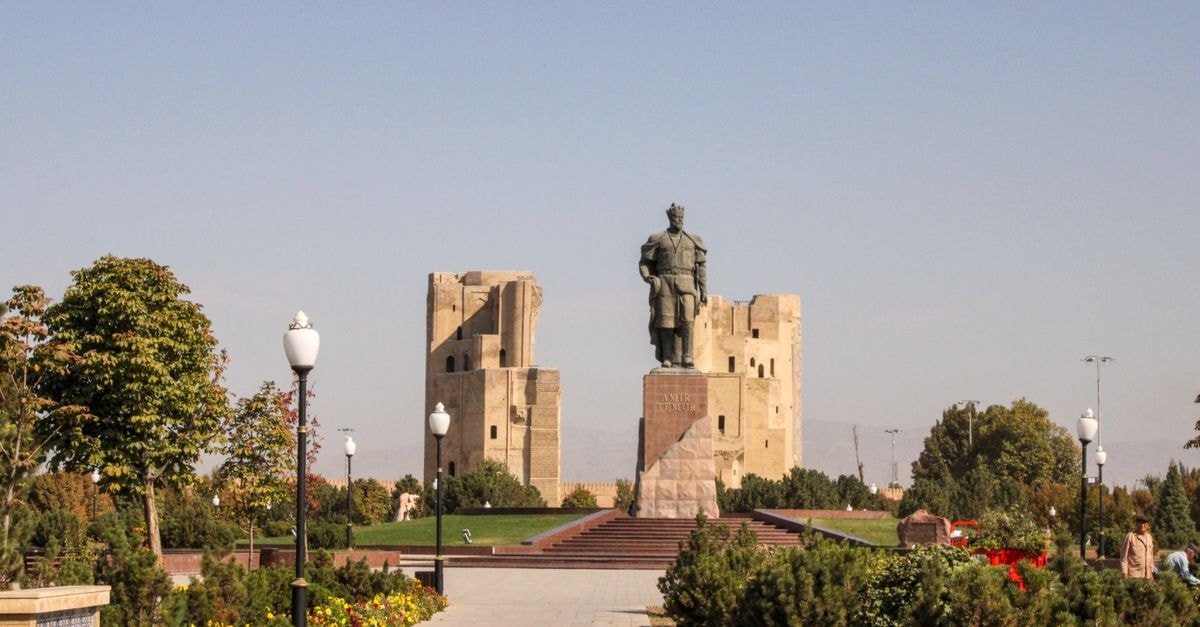
Turkmenabat sits very close to the Uzbek border, and that proximity shapes more than just maps. The city is somewhat influenced by Uzbekistan, which is natural given how near the border it sits. This comes through in small ways: in certain visual touches, in the rhythm of cross-border trade, and in the everyday flow of people who move between the two countries. For a traveller, this influence is less a sight to chase and more a texture to notice as you move through the streets.
As the second-largest city in eastern Turkmenistan, Turkmenabat acts as a crucial hub connecting various parts of the region. That means anyone passing through will likely encounter transport options that link the city to neighbouring towns and to the wider province. For travellers who like to use a city as a base for broader exploration, this is one of the clearer practical advantages of choosing Turkmenabat over smaller settlements.
The city itself has a population of about 270,000 inhabitants, which gives it enough size to offer the basics a traveller needs without the density of a capital. Streets tend to be wide, distances feel manageable, and the riverside setting helps with orientation. For visitors who prefer a city that is large enough to feel self-sufficient but small enough to walk across without anxiety, this scale can be a real comfort.
Because of its position near the border, Turkmenabat can also work well as a waypoint for travellers arriving from or heading toward Uzbekistan. It is the kind of place where an extra day to settle in, rest, and observe can make the rest of a journey feel smoother.
Picking a Travel Rhythm That Fits
Different travellers will want different things from a stop in Turkmenabat, and the city lends itself to a few clear approaches.
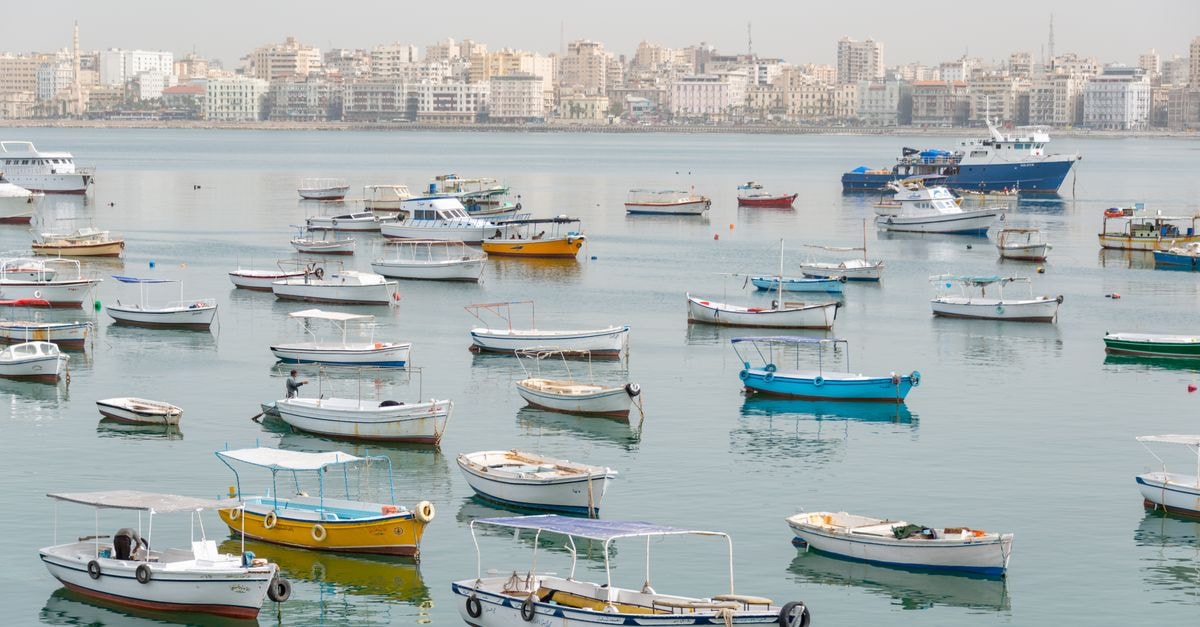
If your priority is a calm, observational kind of travel, the riverside and the city's quiet corners will probably give you the most. There is something to be said for simply sitting near the Amu Darya, watching boats and people, and letting the pace of the place do the work. This style suits travellers who already have busier stops on their itinerary and want a place that feels restorative rather than demanding.
If your priority is connection, the city's role as a regional hub makes it a practical base. Travellers who like to keep moving between nearby towns or who want a launchpad for the wider Lebap region will appreciate that Turkmenabat links various parts of the area. In that case, you may want to keep your schedule open for a longer stay, with days that mix short excursions and slow returns to the same hotel.
If your priority is cultural texture, the cross-border influence from Uzbekistan offers a subtle layer to pay attention to. Rather than treating it as a checklist item, consider simply noticing the small signs of that closeness, from everyday conversations to market produce. Travellers who enjoy reading a place through its everyday details rather than its landmarks often get the most out of a stop like this.
There is no single right way to spend time in Turkmenabat, and the city does not pressure visitors into any particular itinerary. The most rewarding visits tend to be the ones that respect the city's actual pace.
Practical Notes Before You Go
Turkmenabat is a regional centre with the basics in place, but it is not a heavily touristed city, so a little preparation goes a long way. Travellers used to more polished destinations will do well to lower their expectations for signage and tourist infrastructure and raise their expectations for quiet observation and genuine local colour.
Because the city sits near the Uzbek border, those crossing between the two countries should plan the border formalities carefully and give themselves more time than they think they will need. The city itself, once you are past any border procedures, is calm and easy to settle into.
For anyone visiting, the Amu Darya is the natural anchor of any day. Mornings along the river are particularly pleasant, and evenings offer a softer light that suits slow walks. Treat the waterfront as the city's living room, and the rest of the visit tends to fall into place.
Factual travel conditions can change over time. Currency rules, border procedures, and local services may shift without warning, so it is wise to confirm the latest details through official channels before departure. Treat any practical information in this guide as a starting point, and verify anything that affects your plans directly.
Share this article
TOOLS FOR THIS PLAN
Make the Turkmenabat plan measurable
Choose a tool only when it answers the next question in your trip. Your values stay in the browser, and each tool offers a route back to this planning context.