Arriving in an exclave that shapes every plan
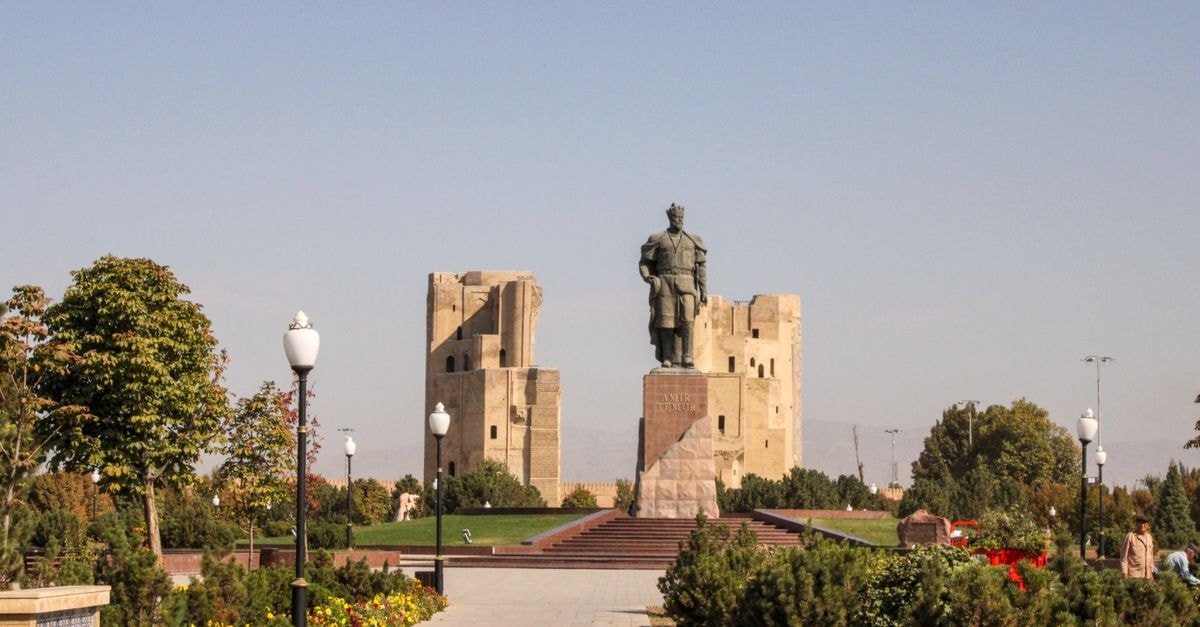
Nakhchivan has a way of slowing a traveler the moment the name is spoken. This is not a city that announces itself from a glossy brochure; it whispers from a map, tucked away at the southwestern edge of the Caucasus, separated from the rest of Azerbaijan by a stretch of international borderland. Understanding that geography first is doing the geography: it changes how you arrive, what paperwork you think about, and the kind of mindset you carry across the threshold.
The Nakhchivan Autonomous Republic spans roughly 5,500 square kilometers of varied terrain, and the city of Nakhchivan sits at its heart as the regional capital (F2-2). Because it is an exclave, you cannot travel here directly by land from mainland Azerbaijan without crossing international borders (F4-2). That detail sounds technical, but for a traveler it means route planning is part of the experience rather than an afterthought. The exclave status also means the city carries a quiet political sensitivity, with checkpoints at the edges and a more limited flow of foreign visitors than larger Azerbaijani destinations (F5-2).
For travelers who like destinations with a little friction, that can feel like a feature rather than a flaw. A exclave city tends to reward people who arrive curious rather than rushed.
Weather and seasonal context
The climate of Nakhchivan leans toward the dry, continental side of the spectrum, with hot summers and noticeably cooler winters, set against the surrounding hills and highland plains. None of the approved sources lock down precise temperatures or current forecasts, so it is wiser to think of the city's weather in general terms rather than to chase a specific forecast.
What can be said with confidence is how the light behaves here. The Momine Khatun Mausoleum, a masterpiece of Islamic architecture, is best photographed in the golden late afternoon sun (F4-1). For travelers who care about photography, golden hour is not a suggestion so much as a working strategy. Arriving at the mausoleum in the hours before sunset, when the stone begins to glow, can transform a quick stop into a small pilgrimage.
Because the region is an exclave with limited foreign access and politically sensitive checkpoints (F5-2), weather planning also has a logistical layer. Conditions that delay a border crossing or a short domestic flight can stretch a one-day plan into two. Travelers who prefer a slower rhythm and can leave room in the schedule for an extra day or two at either end may find that buffer quietly pays for itself.
Getting around
Once inside the city, the scale of Nakhchivan feels manageable. The Nakhchivan Autonomous Republic covers approximately 5,500 square kilometers (F2-2), but the city itself sits comfortably within walking and short-taxi distance for most visitors. The wider region beyond the city, however, opens into a different kind of travel. Travelers also trek nearby canyons and seek out local mineral springs (F5-1). That single line captures a lot of the region's appeal: a city core for slow wandering, with rougher landscapes waiting just outside it.
Getting into and around the exclave does require a little extra patience. Because you cannot travel here directly by land from mainland Azerbaijan without crossing international borders (F4-2), and because the exclave's status brings checkpoints and limited foreign access (F5-2), the practical shape of a trip looks a little different from a standard domestic visit. Some travelers solve this by flying directly into Nakhchivan International Airport, others by entering overland through Turkey or Iran. Either way, the route itself becomes part of the story.
For travelers drawn to canyon trekking and mineral springs, planning a flexible day or two beyond the urban core is worth considering. The attractions are reachable as day excursions from the city, but the rougher terrain rewards travelers who budget time for slow starts and unhurried finishes rather than racing between sights.
Finding a pace that fits the exclave
A short note on choosing how to spend time in Nakhchivan, since the evidence here points toward a few real tradeoffs.
Travelers who enjoy quieter destinations, dry-climate landscapes, and a region with fewer crowds may find the exclave character suits them well, especially given the limited foreign access that keeps visitor numbers modest (F5-2). Photography-focused travelers may want to anchor late afternoons around the Momine Khatun Mausoleum for the golden light rather than rushing past it (F4-1). Hikers and slow travelers who like pairing a small city base with canyon trekking and mineral springs outside town can comfortably plan time for both the urban core and the surrounding terrain (F5-1).
On the other hand, travelers who strongly prefer seamless land travel between mainland Azerbaijan and the exclave may want to reconsider the route, since direct overland access from the rest of Azerbaijan requires crossing international borders (F4-2), and the exclave's political sensitivity means checkpoints are part of the journey (F5-2). Adjusting expectations around the entry logistics often matters more than adjusting the itinerary itself.
A closing note before you go
Nakhchivan rewards travelers who treat it as a destination rather than a detour. The geography sets the tone, the architecture catches the afternoon, and the surrounding canyons and springs give the trip a sense of reach (F5-1). Because the region is an exclave with checkpoints and limited foreign access (F5-2), and because direct overland entry from the rest of Azerbaijan crosses international borders (F4-2), it helps to confirm current entry requirements and local conditions through official channels before departure. Factual travel details can shift, and the most up-to-date information is always the safest companion on the road.
Share this article
TOOLS FOR THIS PLAN
Make the Nakhchivan plan measurable
Choose a tool only when it answers the next question in your trip. Your values stay in the browser, and each tool offers a route back to this planning context.