A capital that works harder than it flatters

Podgorica has a reputation for being the place Montenegrins pass through on the way to the coast, and that is part of its quiet charm. It is the administrative, university, cultural, and economic centre of Montenegro, and the largest city in the country, yet it does not lean on postcards to make its case. Travelers who arrive expecting medieval walls will find something different: a capital with modern energy layered over older histories, where the rhythm of daily Montenegrin life is easier to read than in the resort towns further south.
This is a city to approach with curiosity rather than a checklist of headline sights. Its usefulness is what tends to win people over, and that usefulness shows up in three places especially: how easy it is to navigate, how layered its food scene is, and how naturally it folds you into the wider rhythm of Montenegrin culture.
Weather and seasonal context
Podgorica sits in the continental interior of Montenegro, which already tells you something about how a day here can feel compared with the coast. Summers in the capital tend to run hot and dry, with a brightness that lingers well into the evening, while winters bring a sharper chill. The city experiences a more pronounced seasonal swing than the coastal towns further south, which is worth keeping in mind when planning what to wear and how to pace the day.
Because the city is built around everyday Montenegrin life rather than tourism, the weather shapes the rhythm of the city itself. Long, warm evenings pull people out onto terraces and pedestrian streets, while the cooler months push socializing indoors. A useful approach is to plan lighter, slower midday hours when temperatures climb, and save museums, galleries, and shaded walks for earlier or later in the day.
The key thing to know is that Podgorica is a year-round capital. It does not close down outside a peak season, and its character shifts with the weather rather than shutting off. That makes it an easy city to drop into at almost any time, with the right expectations about the temperature outside.
Getting around
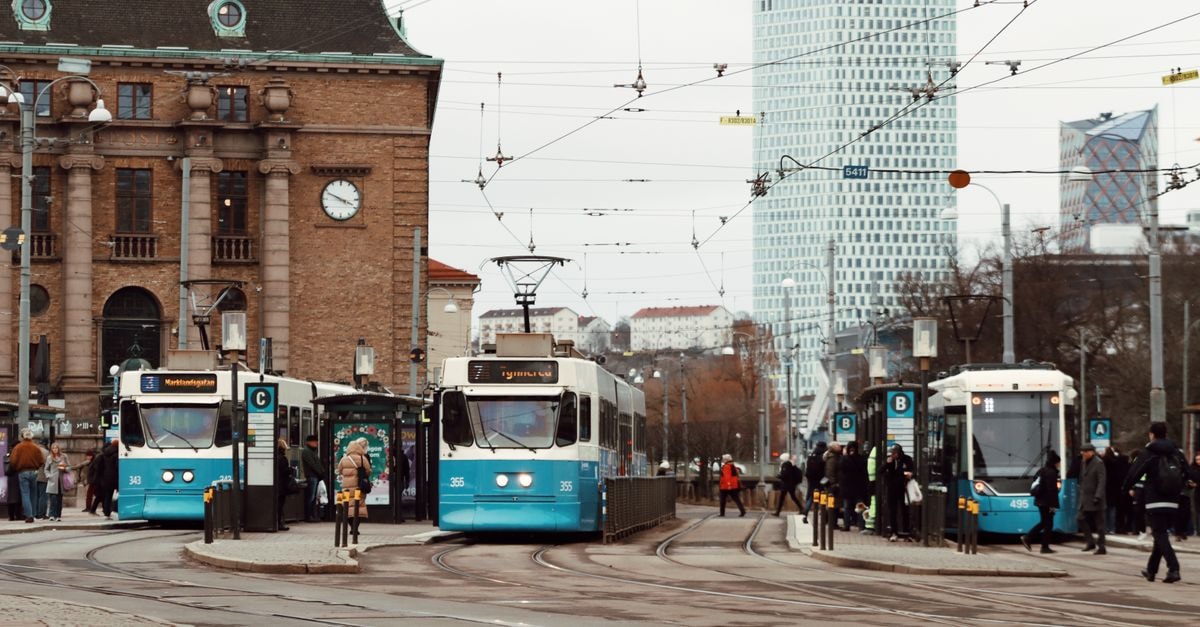
Podgorica is not pitched as the most spectacular destination in Montenegro, but it can be one of the most useful. That usefulness starts the moment you arrive. As the country's administrative and transport hub, it works as a practical base for travelers who want to combine a city stay with wider exploration of the country, and that role shapes how the city itself feels: navigable, low-friction, and oriented toward people going somewhere rather than people performing a holiday.
For visitors, that translates into a city where orientation comes quickly. Streets follow a logical grid, distances between the main areas are walkable, and the scale of the place means you can build a mental map within a day. The absence of tourist-gridlock makes the experience feel closer to living here than sightseeing in a curated town, which is exactly what many travelers actually want from a capital city.
The practical takeaway is simple: treat Podgorica as a base as much as a destination. Its convenience is the point, and leaning into that lets the rest of Montenegro open up around it.
Attractions and planning
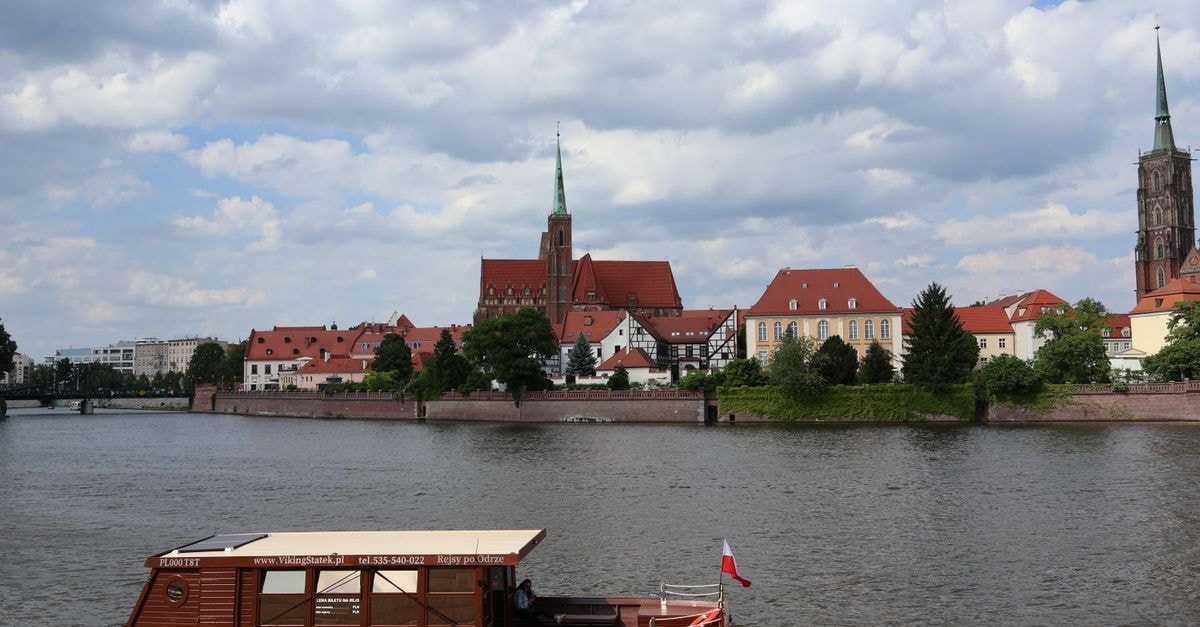
Podgorica is not built around a single iconic landmark, and that is part of how to approach it. The city's character comes from layering rather than spectacle, a blend of modern energy and historical depth that rewards walking and looking rather than rushing between photo stops. Visitors who come ready to experience its unique charm on its own terms tend to enjoy it most.
A useful planning frame is to treat the city as a series of neighborhoods rather than a list of sights. Walk the central streets in the morning while the city is quiet, return in the evening when the terraces fill up, and notice how the same blocks read differently in each light. The lack of a marquee attraction is actually the invitation: there is room here for a more personal version of Montenegro.
Because the city is a living capital rather than a preserved one, its attractions are often woven into the streets themselves. Cafés, markets, riverbanks, and everyday public spaces do a lot of the cultural work that a museum might do elsewhere. Approach it that way and Podgorica reveals itself steadily, the way good cities tend to.
Food and local context
Food is one of the strongest doorways into Podgorica. The city boasts a rich tapestry of local culture, especially evident in its diverse and hearty culinary scene, and that scene is where the wider story of Montenegrin cooking comes through clearly. As the country's largest city and cultural centre, Podgorica gathers regional traditions in one place, which makes it an unusually good place to eat your way into the country.
Montenegrin cuisine as a whole is a rich blend, with significant influences originating from the Ottoman Empire, specifically in dishes featuring minced meat plus sweets. That heritage shows up across the country in slow-cooked meat dishes, filled pastries, and the sweet, syrup-soaked desserts that tend to appear at the end of a long meal. Visitors to Podgorica will encounter this wider Montenegrin food culture in its everyday restaurants and grills, where the menu is less about reinvention and more about doing familiar things well.
For travelers, this means the food scene is both approachable and worth taking seriously. You do not need a long list of specific restaurants to have a good experience: the city rewards people who ask what is fresh, what is regional, and what the kitchen does best on a given day. Eating in Podgorica is less about chasing trends and more about understanding the plate in front of you.
A small note on sourcing: food guides to Podgorica often surface via curated pages that highlight where locals actually eat, and some of those pages include affiliate links for tours and bookings. That is worth knowing simply because it shapes the kind of recommendations you may encounter online, and it helps frame restaurant lists as suggestions rather than endorsements.
A note for travelers
Podgorica is at its best when treated as a working capital with a soul, not a stopover to be survived. It is useful, walkable, food-focused, and culturally alive in the understated way Montenegrin cities tend to be. Come for the practicality, stay for the pace, and let the food and the everyday streets do the rest.
Travel conditions, opening hours, and local services can change, so it is always wise to verify current details through official channels before departure.
Verification note
Factual travel conditions in Podgorica can shift over time, including transport connections, seasonal opening patterns, and food scene details. Readers should confirm current information through official tourism and transport sources before finalizing plans.
Share this article
TOOLS FOR THIS PLAN
Make the Podgorica plan measurable
Choose a tool only when it answers the next question in your trip. Your values stay in the browser, and each tool offers a route back to this planning context.