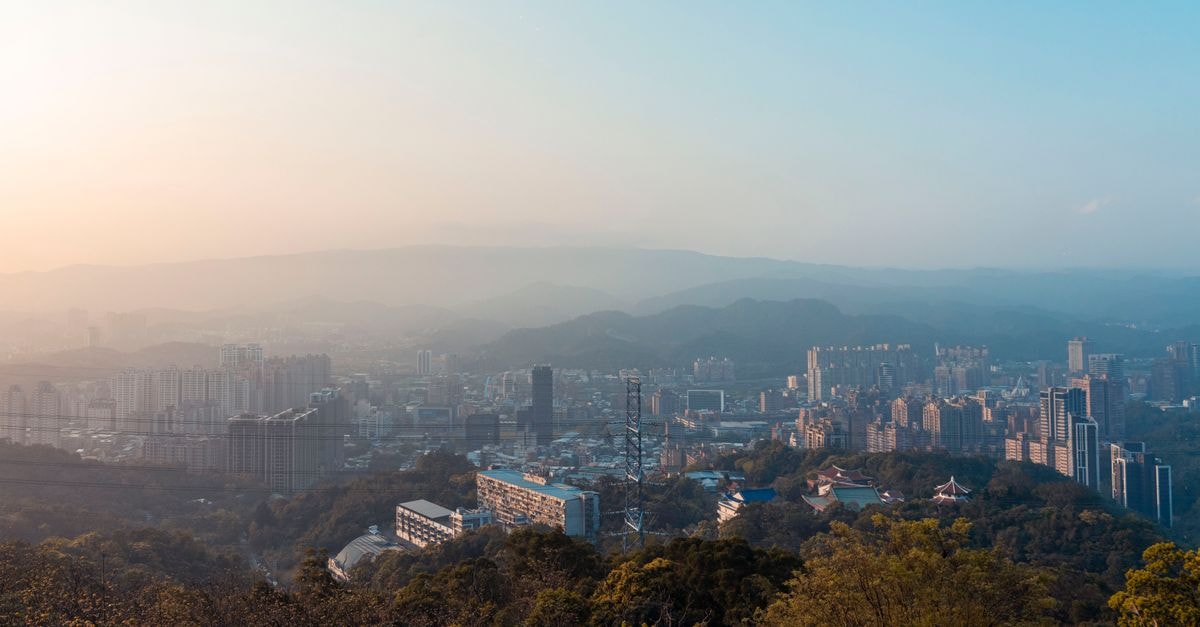
A slow look at Qiqihar

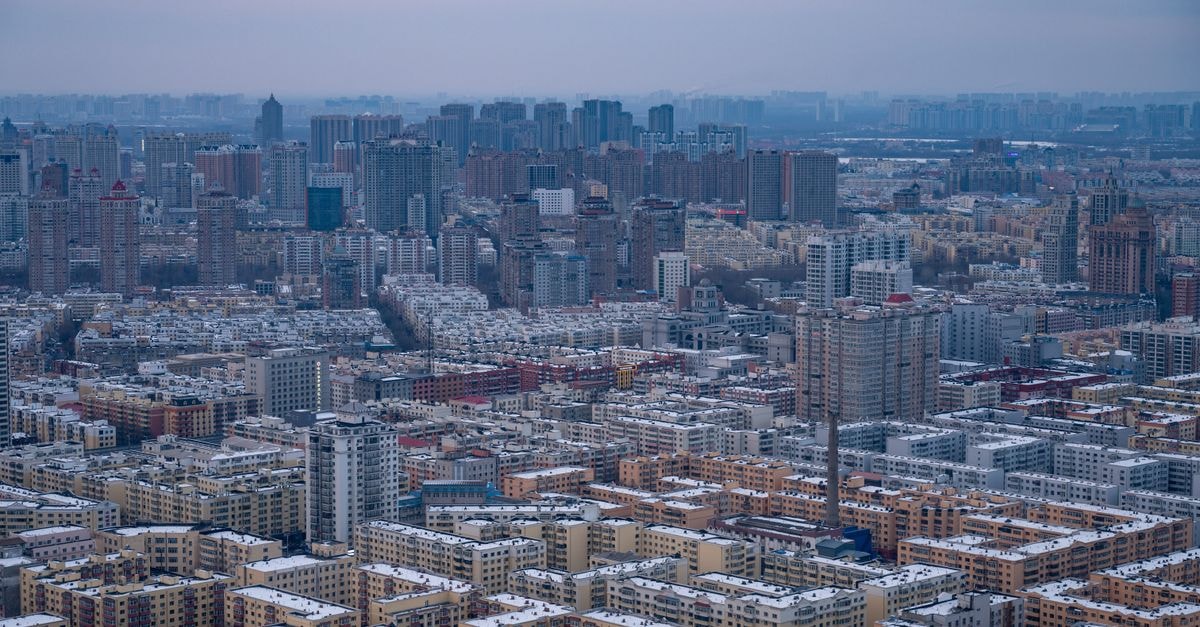
There is something quietly compelling about Qiqihar. It sits in the western reaches of Heilongjiang as one of China's older urban foundations, with roots that stretch back more than three hundred years to the Qing Dynasty. That sense of layered time is part of why travelers curious about northeast China find their way here: not for a checklist of headline sights, but for the texture of a city that has been settling into its identity for centuries. This guide is built for visitors who want to plan a thoughtful, unhurried visit — the kind where a park bench, a sizzling grill, and a slow conversation about local history feel just as important as any single attraction.
The guidance below leans on three pillars that any visitor will actually use: how to move through the city once you arrive, what to put on your sightseeing list, and what to put on your plate. Everything here is designed to be useful on any visit, in any season, without leaning on weather promises, crowd forecasts, or hard-to-verify opening details.
Getting around
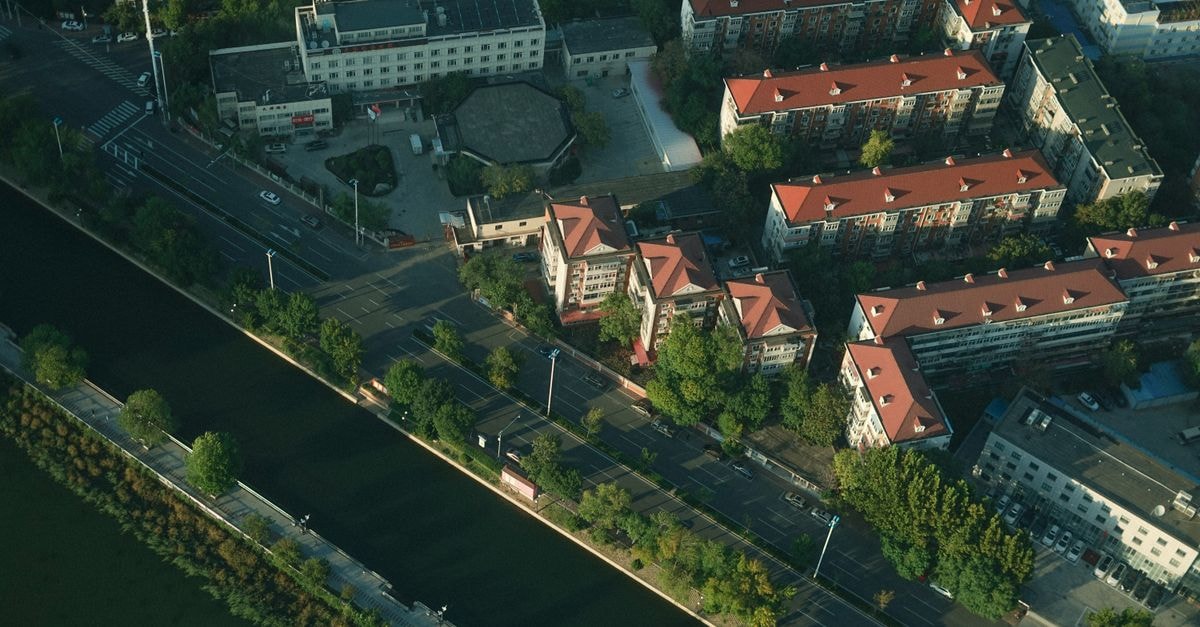
Most visitors will arrive either through the air or by rail. Qiqihar Sanjiazi Airport handles flights, and Qiqihar Railway Station is the main rail gateway. Once you step out of either terminal, the practical takeaway is the same: the city's transport backbone is its road and rail network. Buses, taxis, and rail connections handle everyday movement between neighborhoods, while the road network stitches the urban core together in a way that is fairly intuitive once you have a map in hand.
Water travel exists in and around Qiqihar, but it plays a scenic, niche role rather than serving as a commuter network. Think of boats and river crossings as occasional experiences — pleasant when you happen upon them — not as the way you will get from a museum to a dinner spot. For day-to-day logistics, plan your routes by road or rail, and treat any waterborne option as a deliberate side trip rather than a transit choice.
Attractions and planning
Qiqihar's sightseeing mix has a particular flavor: green space, deep history, and a touch of the natural world beyond the urban grid.
**Hong'an Park** is a comfortable starting point. Parks like this tend to be where a city's daily life is most visible — local walkers, families, and quiet corners under trees — and Hong'an Park serves that role here. It is the kind of place where an unhurried hour gives you a feel for the city's rhythm better than a rushed itinerary ever could.
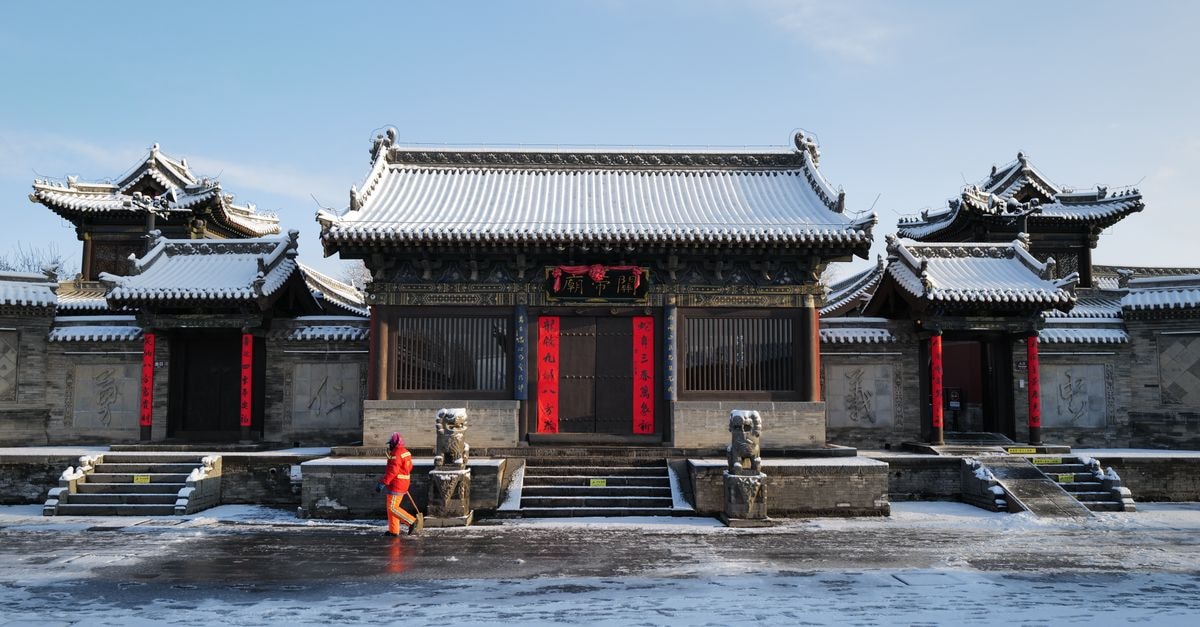
For history-minded visitors, the city's Qing Dynasty origins matter. Qiqihar is one of China's older urban foundations, more than three centuries old, and traces of that long history still shape the older districts. Walking those older streets is less about a single landmark and more about noticing how the city's layout, names, and architecture quietly carry the weight of that era.
**Zhalong National Nature Reserve** sits at the other end of the spectrum. It is famous for its cranes and wetland landscape, and it pulls the trip firmly into the natural world. Plan it as a longer half-day or full-day outing rather than a quick stop, because the reserve rewards patience and quiet observation. This is also the kind of attraction where checking current visiting arrangements through official channels before you go makes a real difference, since nature reserves can adjust access depending on conservation needs.
A practical planning rhythm works well here: spend a morning or evening in Hong'an Park, carve out a dedicated block for the nature reserve, and let the older parts of the city fill the spaces in between. Avoid trying to force everything into a single day; Qiqihar is a city that responds better to pacing than to packing.
Food and local context
Food is one of the most memorable ways to feel a city, and Qiqihar's table reflects both its regional identity and its place within the wider culinary map of northeast China.
The dish most visitors hear about before they arrive is **Qiqihar barbecue**, which is widely treated as a local staple. In practice that means grilled skewers, shared tables, and the kind of social, smoky atmosphere that turns a meal into an evening. If you have one purely local must-try on your list, this is it. You do not need a specific address or a famous name to have a good experience — the barbecue scene here is broad, and following the crowd into a busy spot is usually a reliable signal.
Beyond the grill, it helps to think of Qiqihar's food scene as sitting inside a broader Heilongjiang and wider Chinese culinary context. Northeast Chinese cuisine generally leans into hearty flavors, wheat-based staples, pickled vegetables, and warming dishes that suit a colder climate, and visitors may encounter these flavors in casual restaurants and neighborhood eateries throughout the city. Treat this as context rather than a checklist: the goal is to recognize the regional fingerprints when they show up on a menu, not to hunt down a specific regional specialty that the evidence does not support.
A few simple food-planning notes that hold up across visits:
- Meal times in this part of China tend to be relaxed, with dinner often stretching later than visitors from other regions might expect. - Grilled and shared-plate formats are common for evening meals, especially at barbecue spots. - For travelers who want a structured food experience, mixing one dedicated barbecue outing with everyday local restaurants gives a balanced taste of the city without overplanning.
A note on costs: any daily food budget will depend heavily on how often you eat at sit-down restaurants versus casual spots, and how central your choices are. Prices in Qiqihar tend to feel more approachable than in China's largest tier-one cities, but it is always wise to confirm current rates and menu availability on the ground rather than relying on any fixed number from older sources.
A practical rhythm for the visit
Putting the three pillars together, a comfortable Qiqihar visit tends to have a loose shape rather than a tight script. Use the rail or road network to move between neighborhoods, build in time for both Hong'an Park and the older historic areas, and set aside a longer block for Zhalong National Nature Reserve. Let the evenings drift toward a barbecue table, and leave room for the unplanned moments — a walk along an older street, a second loop through a favorite park, a slow conversation with a local shopkeeper.
The city rewards travelers who treat it as a place to settle into rather than a checklist to clear. With its Qing Dynasty roots, its green urban spaces, its crane-filled wetlands just outside the urban core, and a barbecue scene that anchors local social life, Qiqihar offers a genuinely distinct version of northeast China — and one that feels richer the less you rush it.
*Factual travel conditions can change over time, so always confirm transport details, nature reserve access, and local advisories through official channels before departure.*
Share this article
TOOLS FOR THIS PLAN
Make the Qiqihar plan measurable
Choose a tool only when it answers the next question in your trip. Your values stay in the browser, and each tool offers a route back to this planning context.