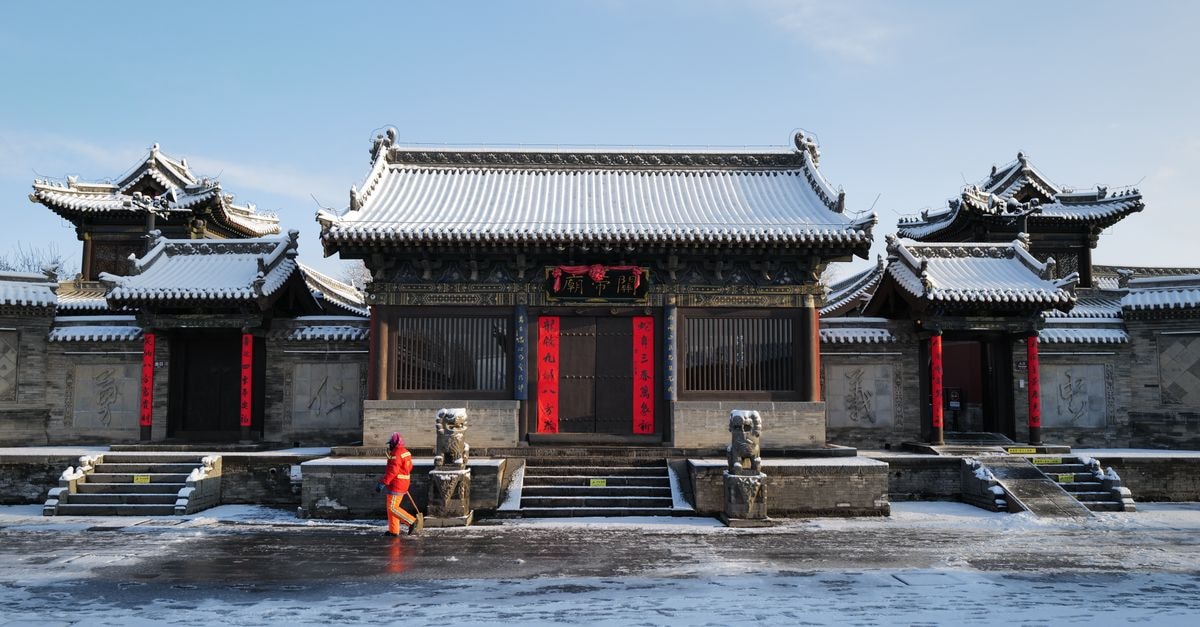
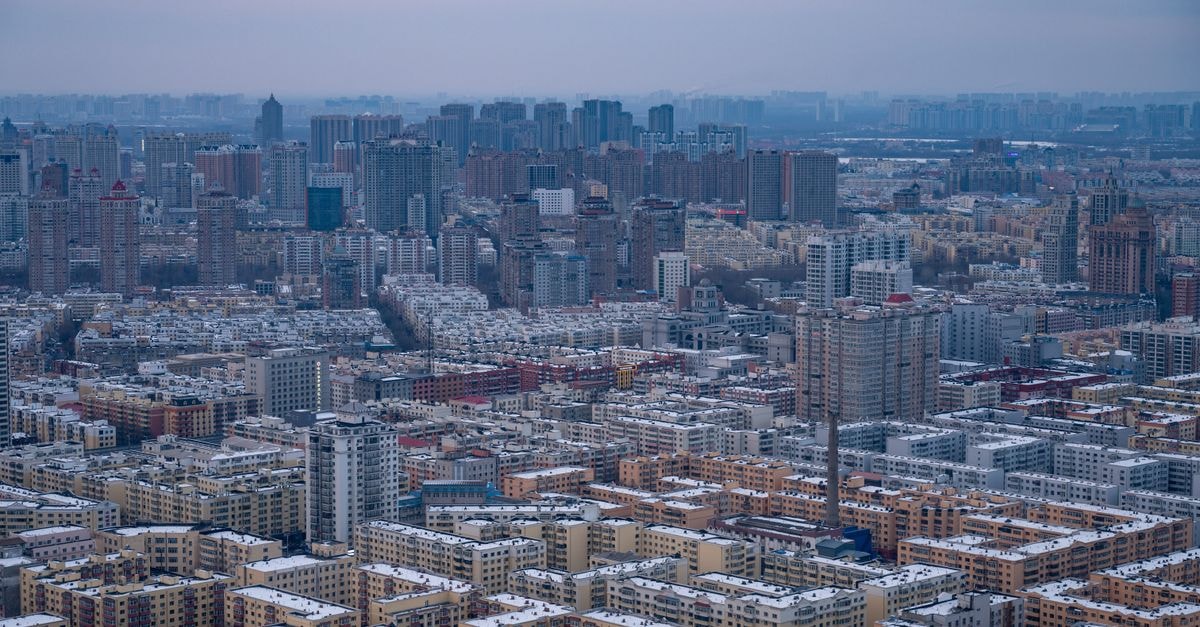
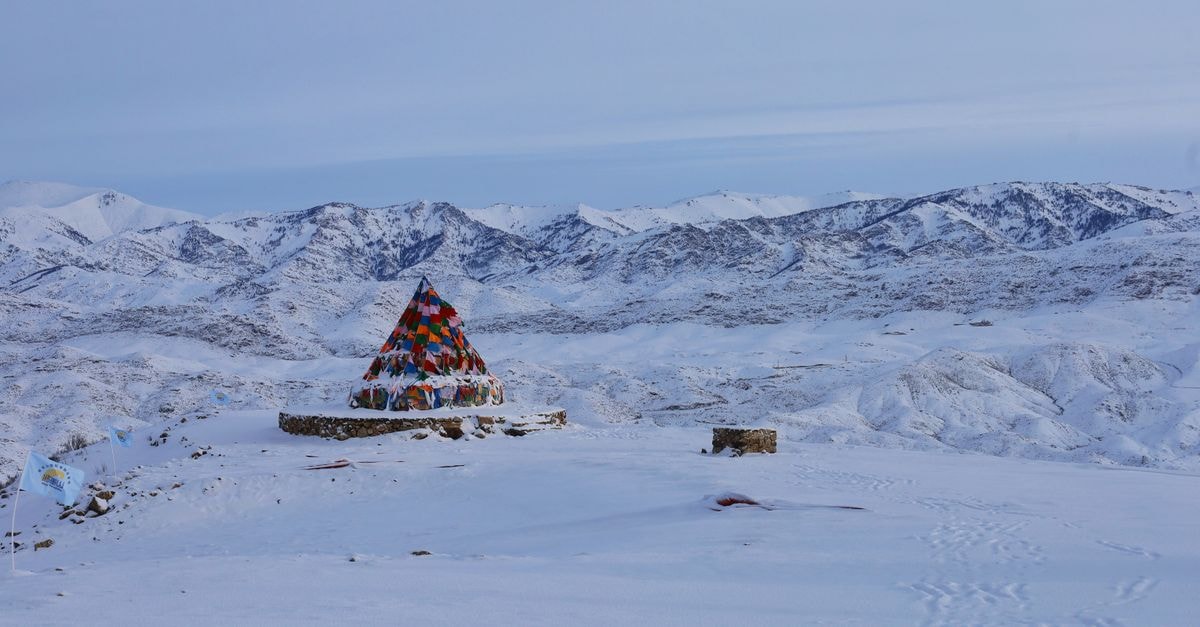
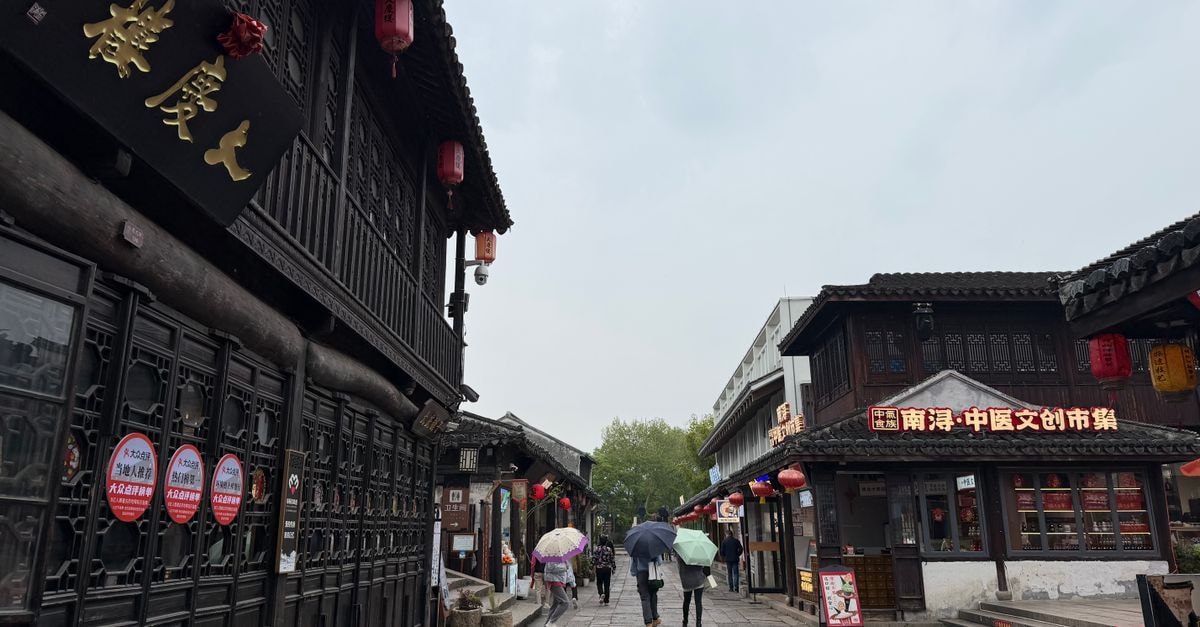
Mudanjiang sits in the southeast corner of Heilongjiang, in the part of northeast China where forested ridges, river valleys, and small Korean-influenced communities shape the everyday rhythm. Travelers who arrive here tend to be the kind who like quieter cities, generous plates, and the kind of scenery that rewards a slow afternoon. This guide focuses on the practical layer: getting in, getting around, and reading the place through its food.

Getting around
Mudanjiang is small enough that most visitors orient themselves around a few anchors rather than a dense network. Two of the most useful reference points are Mudanjiang Railway Station, described as a central hub for many routes, and the major intersections in the city center. Knowing where these sit on a map tends to make the rest of the city feel intuitive, because local buses, taxis, and walking routes tend to radiate outward from them.
For travelers who like to set their own pace, walking and cycling are highlighted as enjoyable ways to take in both the cityscapes and the natural areas around Mudanjiang. That is a useful nudge for anyone who usually defaults to taxis: the riverfront stretches and the parks can feel quite different at walking speed, and a rented bicycle opens up neighborhoods that bus routes do not always serve directly.
If you are arriving by air, Mudanjiang Hailang Airport is positioned a short drive from the city center. Shuttle buses and taxis are described as linking the airport to the urban core, with these services reportedly coordinated with many train arrivals and departures, which can make it relatively straightforward to combine a flight with a rail leg if your wider itinerary calls for it. For travelers stitching Mudanjiang into a longer northeast China loop, that air-and-rail compatibility is one of the city's quiet practical strengths, though current schedules and operating status should be confirmed locally before relying on any specific connection.
Water transport also has a place in the local mix. While ferries are not the first thing most visitors associate with a landlocked-feeling city like Mudanjiang, waterborne travel is described as playing a quiet and scenic role in the regional public-transport picture, even if availability and routes are not confirmed in detail in the available evidence. That is worth keeping in mind if a riverside journey appears on your plans rather than treating the city as purely road-and-rail.
Attractions and planning
Mudanjiang's attractions are typically catalogued through visitor-popularity rankings, and the city's top ten list is organized by TripAdvisor reviews and visitor popularity. That framing is useful for travelers because it signals that the most-visited places in Mudanjiang are well documented in English and tend to be the ones previous travelers have weighed in on. If you prefer a structured approach to planning, browsing that ranked list is a sensible first step, since it tends to mix natural scenery, cultural stops, and viewpoints in a way that lets you build a short list based on the kind of day you want to have, rather than chasing every entry.
Because specific attraction names, opening details, and ticketing arrangements are not part of the available evidence in this guide, the practical move is to treat the popularity ranking as a starting point and verify each stop's current status, hours, and access through an official channel before setting out. The popularity framing also suggests that Mudanjiang rewards visitors who leave room in the day for one or two standout experiences rather than rushing through a packed list.
Food and local context
Dining in Mudanjiang is best approached with a little patience and a clear sense of what kind of meal you are walking into. The available guidance for restaurants in the city is intentionally understated: it suggests that for travelers seeking a more elegant culinary outing in Mudanjiang, a few practical considerations will enhance the visit. The honest reading of that is to treat nicer restaurants in the city the way you would in any unfamiliar place, by checking the menu, the price range, and the dress or reservation expectations in advance rather than walking in cold.
The more vivid food signal in the evidence sits with Snow Town style, a regional cooking approach associated with the forested mountain communities to the east of the city and highlighted by the documentary _A Bite of China II_. Eight signature stews in that Snow Town style are documented in the source, including cold-water fish with tofu, pork belly stewed with eggplant and potatoes, ribs with green beans, free-range chicken stewed with wild mushrooms, beef stewed with radish, pork bone stewed with sauerkraut, pork stewed with vermicelli, and goose stewed with potatoes. These are framed as a Snow Town style that visitors may encounter on menus and in rural-style restaurants while traveling through this part of Heilongjiang, rather than as Mudanjiang city specialties.
The cooking essence of that Snow Town style is described as slow wood-fire simmering, with iron pots that lock in heat and a philosophy that highlights natural flavors without leaning on heavy seasoning. For travelers, that translates into a few useful habits: expect meals that arrive bubbling rather than plated, expect portions that are generous, and expect the menu to be less about flair and more about how long the pot has been on the fire. If a dish sounds simple, that is usually the point. Pairing one of these stews with a side of rice or steamed bread, and treating the meal as a sit-down event rather than a quick stop, tends to be the most rewarding way to experience the style.
Across wider China, dining culture tends to treat the table as a social center, with shared dishes, leisurely pacing, and tea or warm water as standard accompaniments. Visitors passing through Mudanjiang are likely to encounter that same rhythm, and the regional stew tradition slots neatly into it.
A practical note before you go
Factual travel conditions change, and the details in this guide are anchored only to the evidence above. Before you travel, check current weather, transport schedules, attraction opening status, and any ticket or reservation requirements through official channels. Treat this guide as a starting frame for thinking about Mudanjiang, not as a live confirmation of any specific schedule, price, or availability.
Share this article
TOOLS FOR THIS PLAN
Make the Mudanjiang plan measurable
Choose a tool only when it answers the next question in your trip. Your values stay in the browser, and each tool offers a route back to this planning context.