Overview

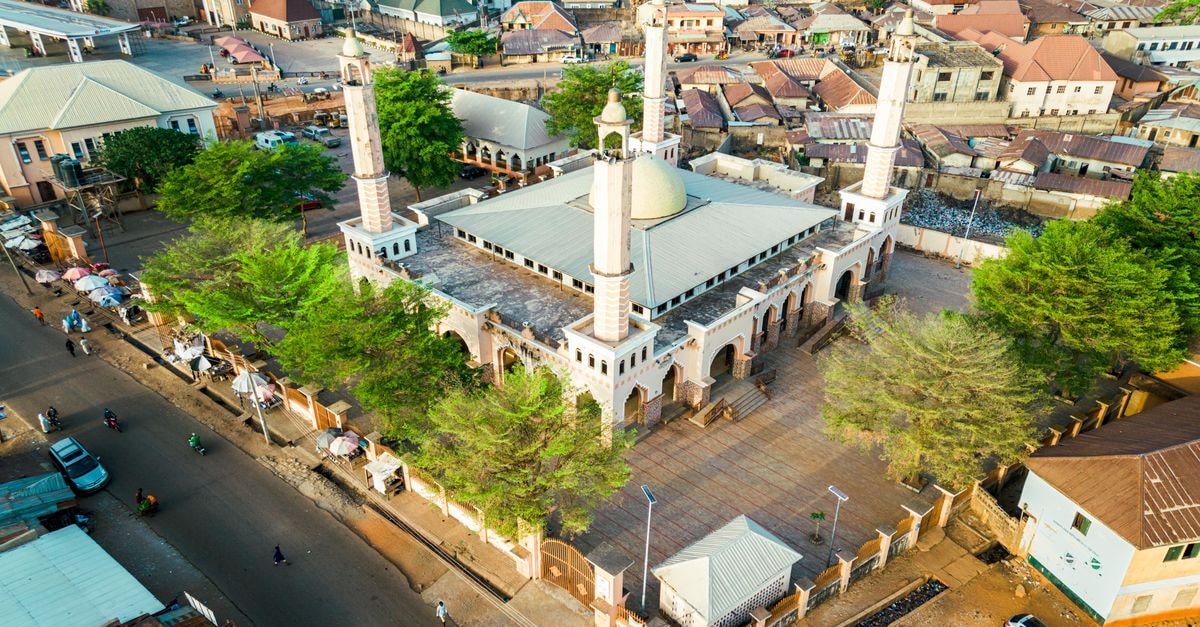
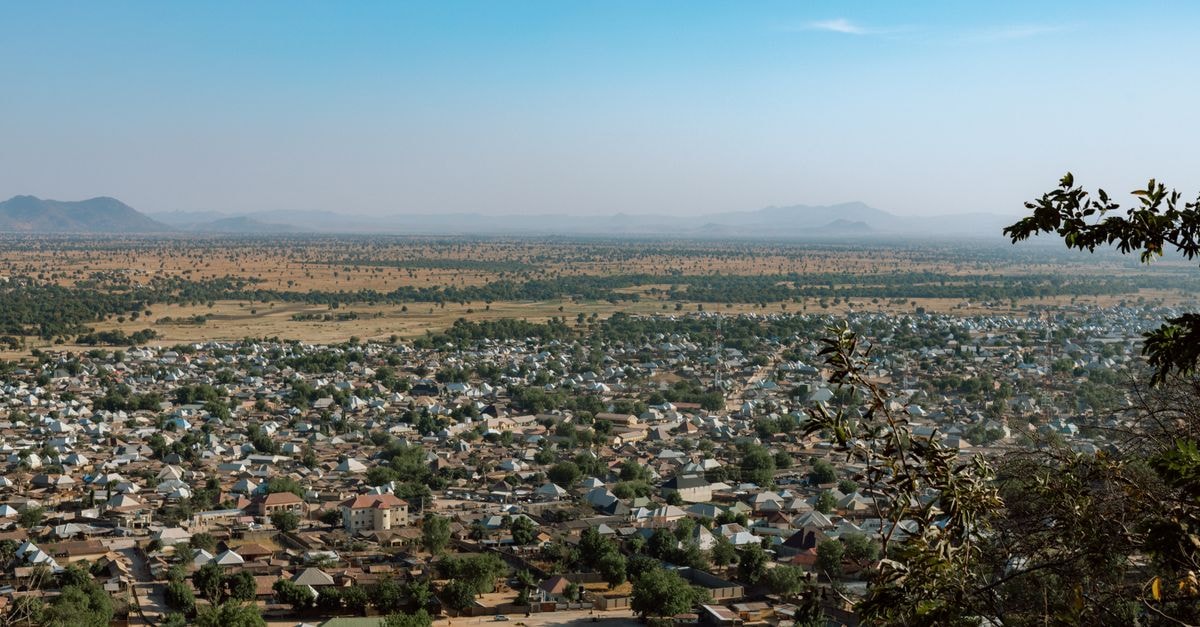
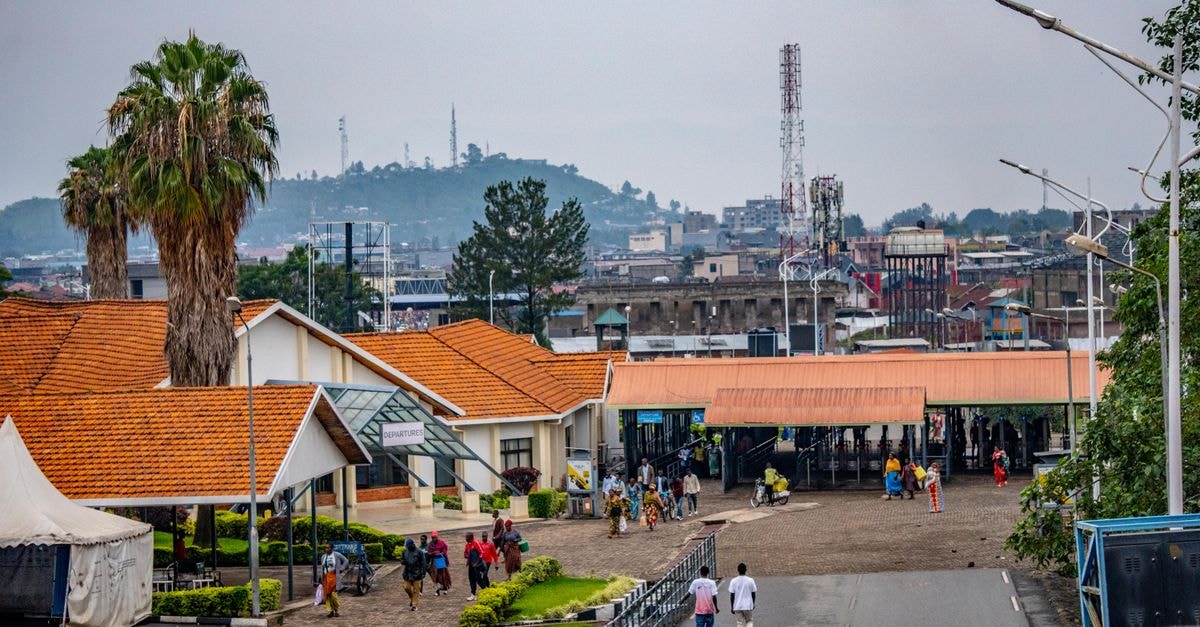
Ruyigi is a provincial town tucked into the eastern highlands of Burundi, often described as a place where natural scenery and everyday Burundian life meet at a gentle pace. It sits east of the country's central spine, away from the busier transit corridors, which gives the town a quieter rhythm that tends to appeal to travellers who prefer unhurried provincial stops over capital-city intensity. The surrounding highland landscape is part of what gives the area its character, with rolling terrain that has long shaped local agriculture and movement between communities.
For visitors, Ruyigi works best as a stop with intention rather than a checklist of sights. The town's appeal lies in its setting, its proximity to the broader eastern region, and the chance to experience Burundi away from the more frequently written-about western provinces. A useful framing is to arrive with a clear sense of how you'll move, what you'll eat, and what the local security picture looks like — those are the three areas where advance preparation makes the biggest difference to the experience.
Weather and seasonal context
Ruyigi's location in the eastern highlands shapes its climate, and any visit benefits from a little flexibility in how the day is paced. Because the town sits at elevation, the air tends to feel cooler than in low-lying parts of East Africa, especially in the mornings and evenings. Highland weather in this part of Burundi can shift between sunny stretches and overcast, misty periods within the same day, so layering a light sweater or rain jacket over daytime clothing is a sensible habit regardless of when you travel.
Beyond the climate itself, the eastern highlands have a separate practical significance. Ruyigi is not currently among the most heavily flagged parts of Burundi in terms of armed-group activity, and that geographic detail is worth holding onto. The most severe security concerns in the country have generally centered on western provinces and areas nearer the Democratic Republic of the Congo, rather than Ruyigi's side of the country. For travellers, the takeaway is not that caution is unwarranted in Ruyigi — it is that the regional security picture is uneven, and the eastern highlands tend to sit on the calmer side of that picture. Standard situational awareness still applies, and travellers should check current advisories before and during their trip rather than treating any guide, including this one, as a substitute for an official travel advisory.
Getting around
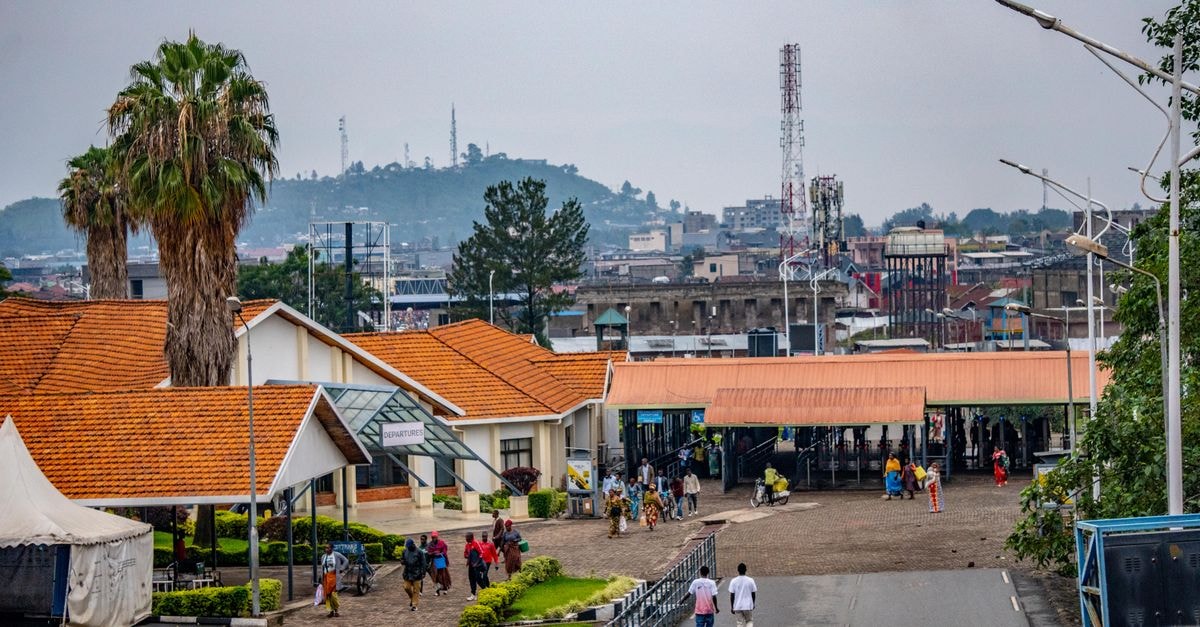
Moving through Ruyigi starts with the basics of provincial-town transport in Burundi. Route planning is often the difference between a smooth day and a frustrating one, and the town's road links connect it to the wider national network. A practical starting point for figuring out how to get from one place to another — whether arriving from Bujumbura, transferring between towns, or moving on toward the eastern border region — is to lay out the routes in advance using a route-planning resource. Rome2Rio-style itineraries, built up from years of travellers mapping their preferred A-to-B paths, can be a useful reference for the kinds of connections that exist, even if the final transport choice tends to be made locally on the day.
Once in town, the transport picture is shaped by what the eastern provincial setting offers. Group transport is something visitors can arrange, and bus and minibus hire is available in Ruyigi, which is useful for travellers moving in a group or carrying gear. That kind of arranged vehicle can be especially helpful when schedules on the main road network don't quite line up with the time you want to move.
A small but important habit in this part of Burundi is keeping valuables secure at your accommodation. Storing passports, backup money, and any electronics you don't need during the day at your lodging — rather than carrying them into a bus or onto the street — is a straightforward precaution that fits the rhythm of provincial-town travel here. It's the kind of detail that's easy to overlook in a quiet setting and worth taking seriously before the first long road trip.
Food and local context
Ruyigi sits within a wider Burundian food culture that surprises people who arrive expecting a familiar East African plate. Burundi's food traditions have their own logic — built around beans, plantains, greens, and the slow cooking that turns simple ingredients into something with real depth. Travellers used to the more grilled-meat-and-pilau style of neighbouring cuisines often find that Burundian cooking leans more toward stews, legumes, and starchy sides, and that the meals are eaten at a pace that invites conversation rather than rushing onward.
One of the defining dishes across the country is *ibiharage* — beans cooked with palm oil. The smell is part of the experience: palm oil is heated until it smokes, and then the beans simmer until they're creamy inside but still hold their shape. That single technique — oil heated to the point of smoking, then tamed by slow cooking with legumes — shows up across many Burundian kitchens, and recognising it on a menu or in a home kitchen is a small shortcut into the local food culture. Visitors may encounter versions of this and similar bean-and-greens dishes in Ruyigi, since these are everyday staples rather than restaurant specials.
Eating in Ruyigi tends to happen in modest local settings — small restaurants, roadside stops, and shared meals — rather than in anything resembling a formal dining scene. Travellers who enjoy approaching a country through its everyday food will likely find more to engage with here than travellers looking for a polished restaurant scene. It also helps to know that meals are often built around a shared plate or a single large serving, and that finishing everything is usually appreciated. These are nationwide customs that travel with Burundians wherever they sit down to eat, and they show up naturally in a provincial town like Ruyigi.
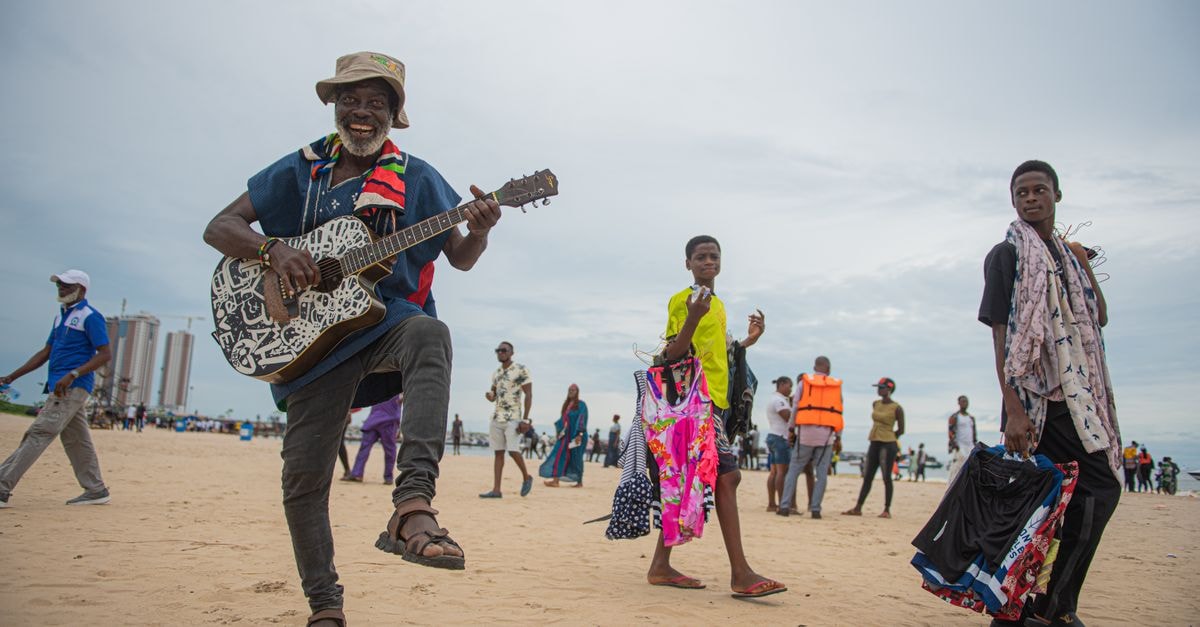
Cultural context runs alongside the food. Burundi is one of Africa's most densely populated nations, and across the country Tutsi and Hutu communities share a strong tradition of drumming — a musical heritage that often shows up in celebrations, ceremonies, and quieter moments of gathering. Visitors who happen to encounter drumming in or near Ruyigi are seeing a thread of the wider national culture rather than something staged for tourists, and listening rather than filming is often the more respectful way to take it in.
Choosing what fits the trip
Ruyigi suits travellers who are comfortable with a provincial pace, who don't need a packed daily schedule, and who want to use the town as a base for exploring the eastern highlands rather than as a destination with a long list of sights. Independent visitors who like planning their own routes, arranging group transport when needed, and reading up on the regional security picture in advance tend to settle in quickly. Travellers who prefer the structure of a capital city, a developed restaurant scene, or a wide choice of paid attractions may find Ruyigi quieter than expected, and pairing a stop here with time in Bujumbura or another larger town is often a more comfortable shape for a Burundian itinerary. None of this is a verdict — it's a matter of what kind of day you want to wake up to.
A note before you go
Conditions on the ground in Burundi can change, and travel guidance — including the regional security picture, road access, and local services — is worth rechecking close to departure through official channels. Treat the practical details in this guide as a starting framework rather than a live status report, and confirm routes, transport options, and any current advisories before you set out.
**Verification question:** Before travelling, check the current official travel advisory for Burundi and the eastern provinces specifically — security classifications and road conditions are the items most likely to have shifted since any guide was written.
Share this article
TOOLS FOR THIS PLAN
Make the Ruyigi plan measurable
Choose a tool only when it answers the next question in your trip. Your values stay in the browser, and each tool offers a route back to this planning context.