A calm, well-planned city in western Paraná

Cascavel sits in the western reaches of Paraná and reads at first glance like a city that takes its own growth seriously. The urban layout is part of its character: green spaces feel deliberately woven into the day-to-day, and the broad avenues make moving between neighborhoods feel unhurried. Travelers who like cities that reward walking and casual exploration rather than sprinting between marquee sights will find a comfortable pace here. It is the kind of place where the city plan itself becomes a quiet pleasure — a backdrop of parks, squares, and shaded corners that you can drift through between meals and errands.
The city has also earned a reputation for forward-looking urban planning, with local coverage pointing to above-average growth and an organized structure that simplifies how visitors move around. Rather than a chaotic sprawl, Cascavel feels curated, with its civic spaces acting as a kind of connective tissue between the parts of town that travelers actually use.
Weather and seasonal context
Any direct sense of the weather on the day you arrive will need to be checked closer to your trip, because the approved sources for Cascavel speak more about the shape of the city than about a specific forecast. What they do confirm is that outdoor life is a real part of the experience here. The area features a walking track, bike path, and well-maintained green spaces, which suggests that a fair amount of time in Cascavel is best spent outside, on foot or on two wheels, rather than indoors.
That said, a practical mindset serves you well in any season in southern Brazil: pace the day so that the hottest or wettest stretch falls during a long lunch or a museum-style stop, and keep lighter plans for the cooler early morning and evening hours. Pack for changeable conditions rather than a single mood, and assume that the parks and trails are worth visiting whenever the weather cooperates — they are designed to be enjoyed, not just admired from a taxi window.
Getting around
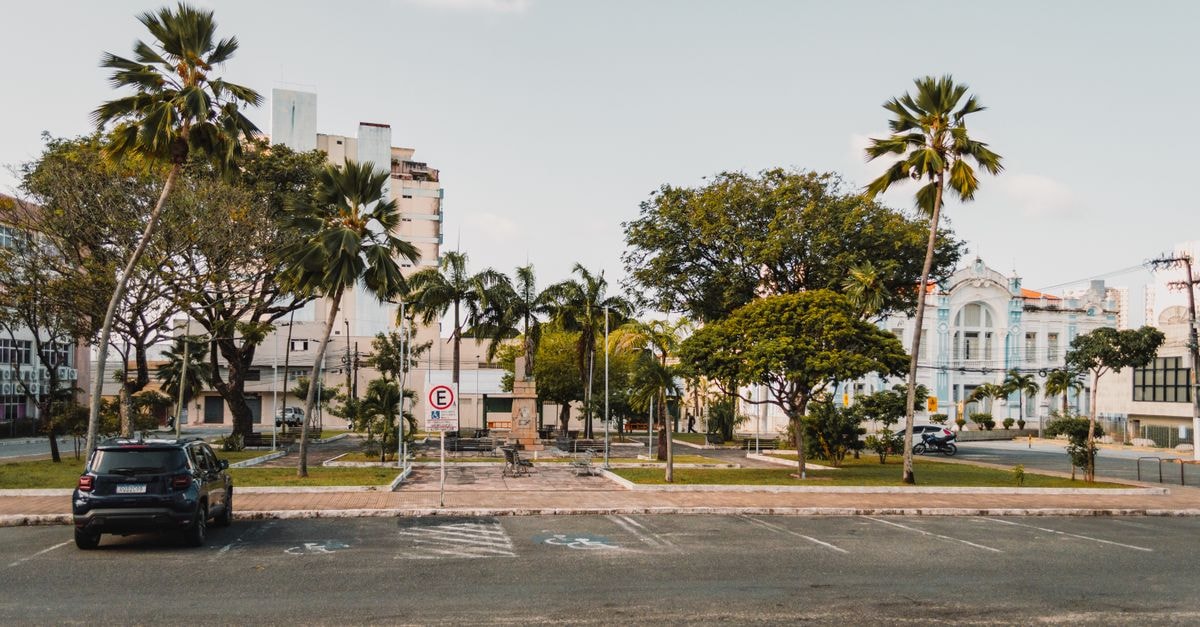
Cascavel is described in travel references as a dynamic city and a key hub in the western part of the state of Paraná, which means it is set up to receive visitors rather than to turn them away at the perimeter. Practical transport framing in the available sources centers on the city as a transit point, with ground-level landmarks like the Getúlio Vargas Square helping orient anyone who has just stepped off a bus or out of a rideshare.
Because the city is laid out with urban planning in mind, distances between the central reference points tend to feel manageable once you are inside the urban grid. Walking is a realistic option for many of the in-town activities, especially around the squares and park areas, and the bike paths mentioned in the local coverage make cycling a credible choice for short hops. For longer distances — across neighborhoods or out to the edges of the city — rideshare and taxi are the simplest dependable options for travelers without a car, and the same flat, planned layout that helps pedestrians also helps drivers navigate without much fuss.
If you are arriving from elsewhere in Paraná or from Foz do Iguaçu, expect Cascavel to function as a waypoint rather than a maze: you arrive, you orient around the central squares, and you settle into the rhythm of the grid quickly.
Food and local context
Cascavel itself does not come with a checklist of signature dishes in the available evidence, so it is more useful to think about the wider Brazilian food culture you will encounter while you are here. Across Brazil, food is treated as a social act as much as a culinary one, and meals tend to stretch, especially lunch, which is commonly the largest meal of the day and a moment when restaurants and casual eateries fill up with friends, families, and coworkers unwinding together.
Etiquette around food in Brazil is relaxed but worth noticing. People tend to eat at a leisurely pace, and finishing a plate quickly can feel a little rushed. Tipping is part of the rhythm at sit-down restaurants, and a friendly greeting when you arrive — even a brief one — goes further than a transactional handoff. These are nationwide patterns that you will encounter in Cascavel just as easily as in any other Brazilian city, so settling into them early tends to make the whole trip feel smoother.
Sights within the urban fabric
The most distinctive attractions in Cascavel, according to the local evidence, are not single blockbuster landmarks but the public spaces that tie the city together. The walking track, bike path, and green spaces form a kind of open-air spine for casual exploration. A morning spent walking part of the track, looping through a park, and pausing on a bench in one of the squares is a perfectly satisfying way to get to know the city, and it tends to surface the small details — a local market stall, a coffee counter tucked into a corner, a stretch of shaded sidewalk — that any visitor remembers longest.
Approach the city with the assumption that the layout itself is the attraction: the organized urban plan that earned Cascavel its reputation for thoughtful growth is also what makes it a comfortable place to wander without a fixed schedule.
Practical notes for independent travelers
Because Cascavel reads as a well-organized mid-sized city rather than a major international gateway, the practical rhythm here is straightforward. Keep your plans flexible around the weather, since the outdoor spaces are a real highlight. Use the central squares and avenues as your orientation points, and let the rest of the city unfold outward from there. Treat mealtimes as a chance to slow down rather than a checkbox between activities, and you will find that the pace of the city rewards exactly that kind of unhurried attention.
Finally, a reminder worth repeating on any trip: factual travel conditions — from local transit options to opening hours — can change, and it is always worth a quick check through official channels or your accommodation before you set out for the day.
Verification note
The factual content above is based on approved sources covering Cascavel's urban character, transport framing, and wider Brazilian food and etiquette context. Travelers should confirm current conditions, schedules, and any specific venue details through official channels before departure, as on-the-ground information can shift over time.
Share this article
TOOLS FOR THIS PLAN
Make the Cascavel plan measurable
Choose a tool only when it answers the next question in your trip. Your values stay in the browser, and each tool offers a route back to this planning context.