A Quiet Introduction to Ségou

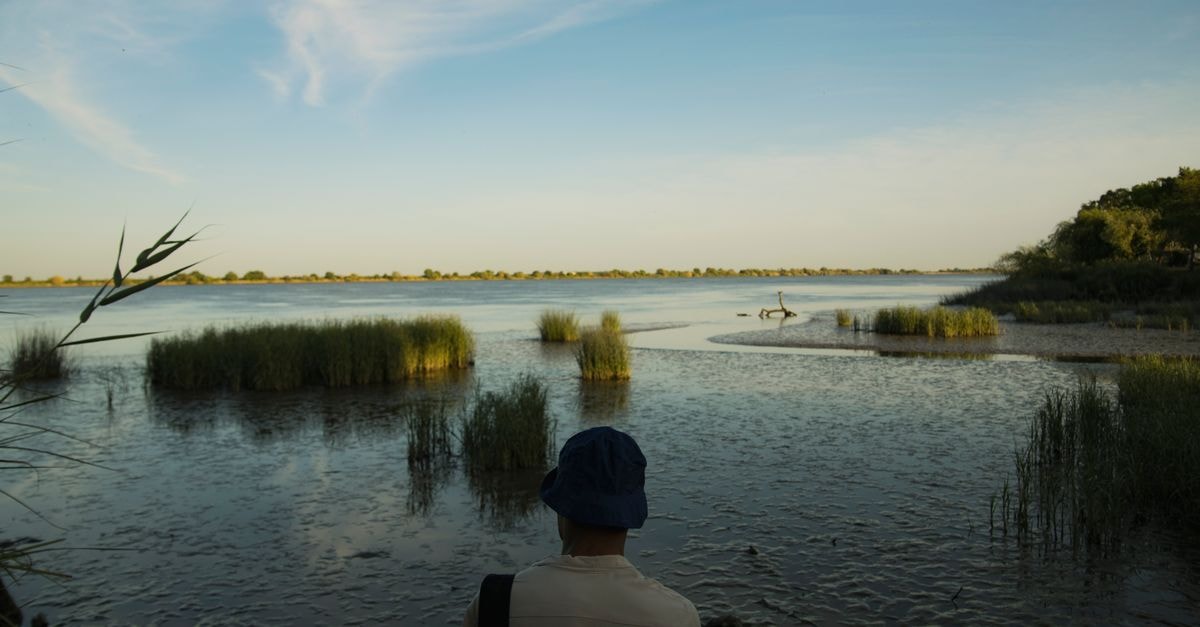
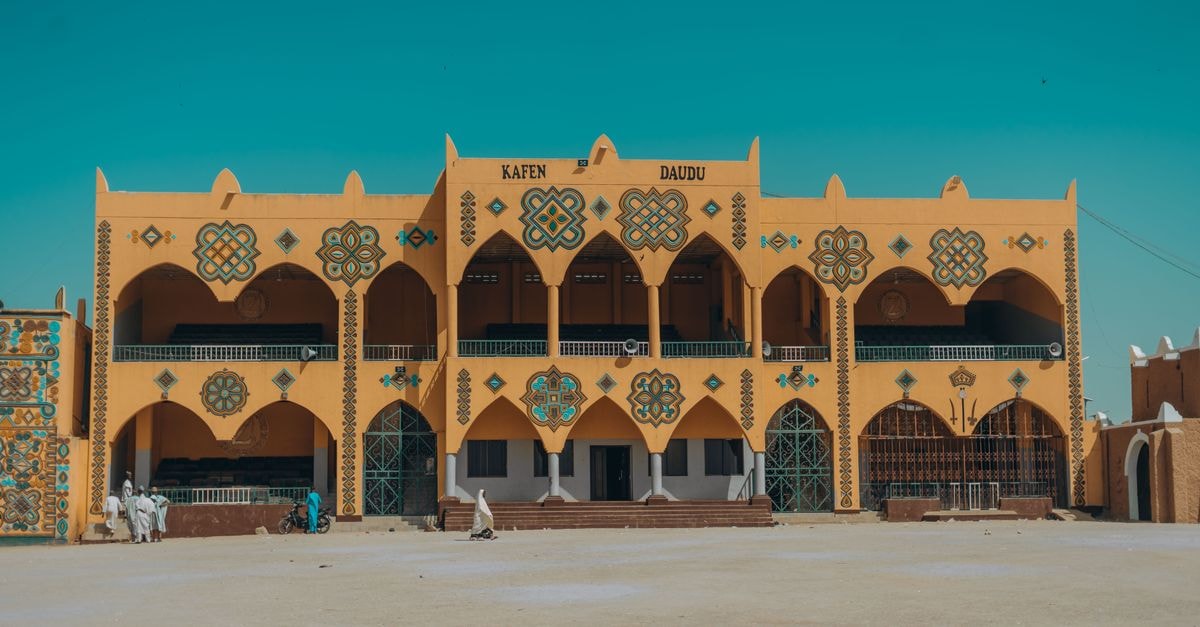
On the banks of the Niger River, Ségou carries the kind of calm you sometimes hope to find at the end of a long journey. The pace is gentle, the air carries a soft warmth, and the streets feel lived-in rather than polished for visitors. As one general description puts it, Ségou is "a laid-back spot that gives you a real taste of Malian culture without the touristy hustle," which is a helpful way to frame expectations before you arrive.
What makes Ségou appealing as a stop is the contrast it offers to the capital. Where Bamako can feel intense and busy, Ségou invites a slower rhythm: river views, craft traditions, and conversations that linger a little longer. The city is best approached with time and flexibility in mind, and that single decision — to slow down — tends to shape the whole experience.
This guide focuses on what the available evidence clearly supports: a feel for the climate you are likely to encounter and an honest note about how road travel into and around the city has been described in recent reporting. Other common guide subjects — restaurants, attractions, hotels, markets, daily budgets — are deliberately omitted here rather than padded with speculation.
Weather and Seasonal Context
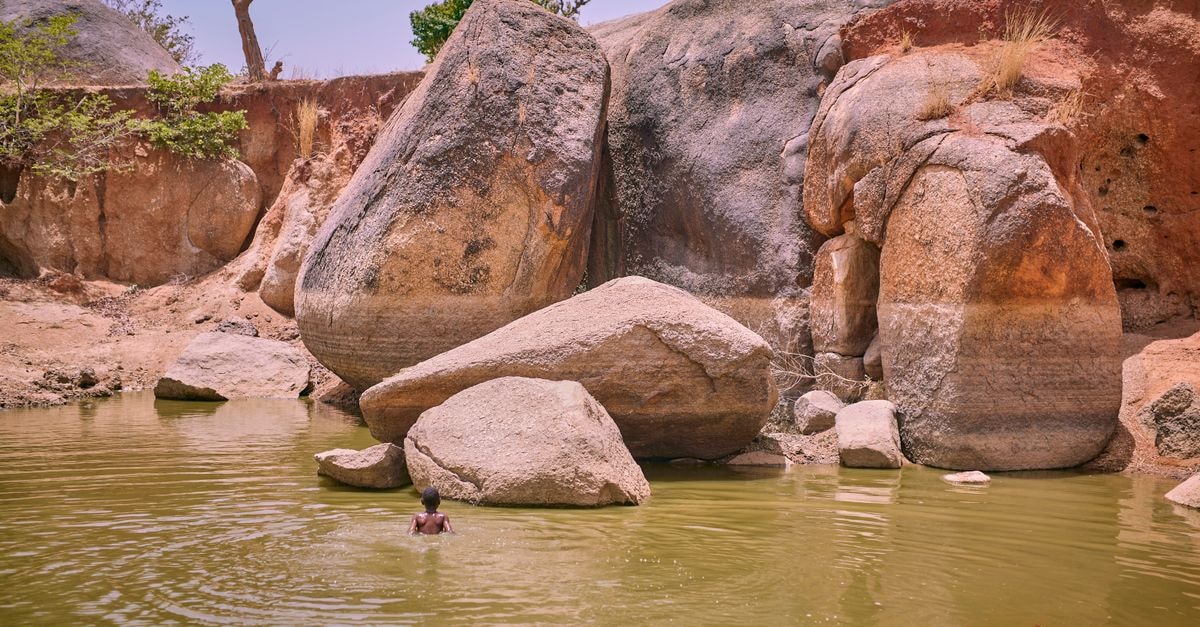
The climate in Ségou is part of what shapes its atmosphere. Visitors tend to find the city warm for much of the year, with the feel of a continental Sahelian climate rather than anything coastal or alpine. That general character is part of why the city rewards a slower itinerary: heat can drain energy, and the unhurried pace locals keep makes it easier to slip into a gentler rhythm yourself.
Because the available evidence supports the broad character of the climate rather than specific daily temperatures, it is worth treating any weather assumptions as guidance, not guarantees. Pack light, breathable clothing, plan for sun, and assume that afternoons can feel heavy. A traveler who paces the day — moving in the cooler mornings and resting through the hottest stretch — usually enjoys Ségou far more than one who tries to pack a long list into peak afternoon hours.
It is also worth noting that weather in this part of Mali can shift between dry and wet periods, which influences not only comfort but road conditions. Even when the sky looks clear, a short, intense storm can change the surface quality of unpaved stretches quite quickly. For that reason, weather planning here is as much about patience and flexibility as it is about which jacket to bring.
Getting Around
Road is the main way travelers reach Ségou from Bamako, and that route deserves honest attention. Recent reporting has described a tightening security situation along the road between Bamako and Ségou. According to one news account, in a recent reporting period, around forty kilometers from Bamako, four civilians were taken by armed men believed to belong to a jihadist group, with the account explicitly framing the route to Ségou as being under tension.
This does not mean the road is closed, and it does not mean every traveler has the same experience. What it does mean is that anyone planning to move between Bamako and Ségou should treat the journey as a serious decision rather than a casual hop. Check current advisories from your own government before departure, talk to locally trusted contacts about the most recent road conditions, and be prepared to reconsider plans if the situation has shifted since you first read about it.
Once in Ségou itself, the city is small enough that getting around tends to be straightforward. Short walks, shared taxis, and motorbike transport are the kinds of options that generally fit a town of this size, but specifics about operators, fares, and timetables are not part of the evidence available for this guide, so they are intentionally left out rather than guessed at. The practical takeaway is to plan the overland approach carefully and keep the in-city movement flexible.
A Note on What This Guide Does Not Cover
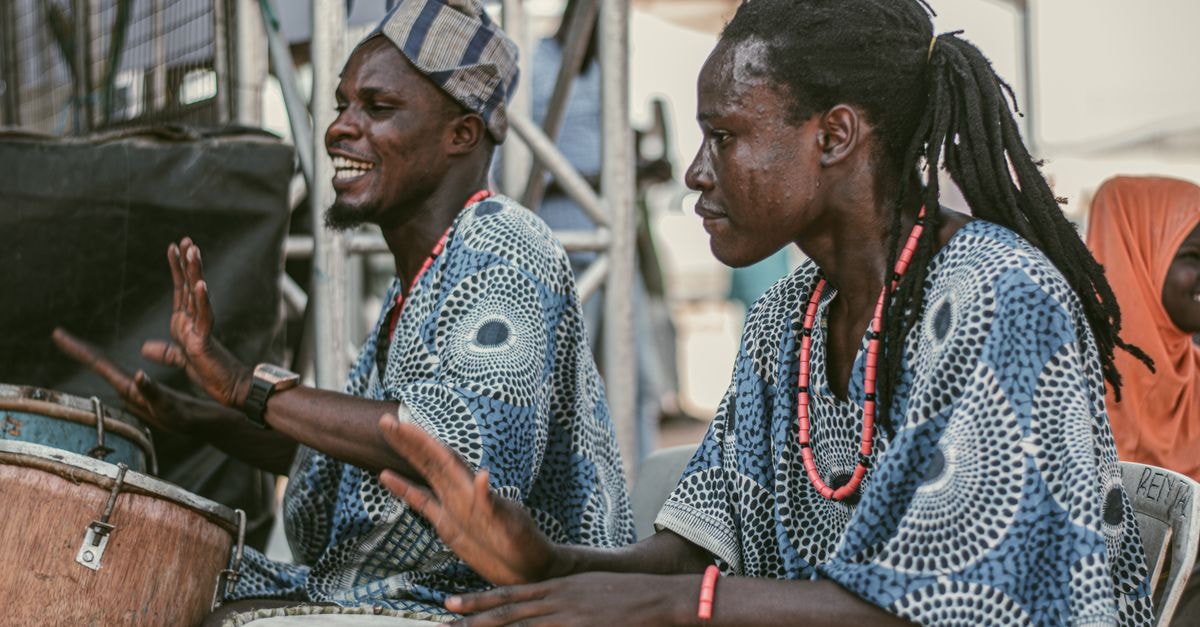
A short honest section is sometimes more useful than a long padded one. This guide does not include a list of named attractions, restaurant recommendations, hotel picks, or day trips. Not because Ségou lacks those things — it has a working craft scene, the Niger River, and a strong musical and cultural identity — but because the evidence available for this guide is limited to general character, climate feel, and one piece of road-security reporting.
Recommending a specific guesthouse, naming a particular market, or ranking local restaurants would require a different kind of evidence than what is on hand. Building that kind of list on assumption would make the guide less trustworthy, not more useful. Travelers who want deeper local detail are better served by recent firsthand accounts, locally published material, or conversation with people who have been on the ground very recently.
The result is a deliberately compact guide. It tells you what the evidence clearly supports — that Ségou has a relaxed cultural character, that the climate rewards a slower pace, and that the road from Bamako deserves careful planning — and it stops there.
Final Practical Notes
A few general reminders apply to any visit to a city like Ségou. Carry water more often than you think you need it. Dress with respect for local norms, especially in religious or community spaces. Keep copies of important documents separate from the originals. Have a plan for what you would do if road conditions or security reports changed between booking and arrival. None of this is city-specific advice, but it tends to matter more in places where the pace is slow and the services are thinner than in a capital.
Conditions on the ground in Mali, including in Ségou and along the approaches to the city, can shift quickly. Travel advisories, road reports, and security updates change, and what is true at the time of writing may not be true when you travel. Before departure, check your government's current travel advice, consult locally trusted sources, and confirm any road movements with people who have just made them. Factual travel conditions can change, and official channels should be checked before departure.
If you go in with the right pace, honest expectations, and a careful plan for the road in, Ségou tends to reward the effort with exactly the kind of unhurried, culturally textured stop that many travelers are quietly looking for.
Share this article
TOOLS FOR THIS PLAN
Make the Ségou plan measurable
Choose a tool only when it answers the next question in your trip. Your values stay in the browser, and each tool offers a route back to this planning context.