Semnan at a glance
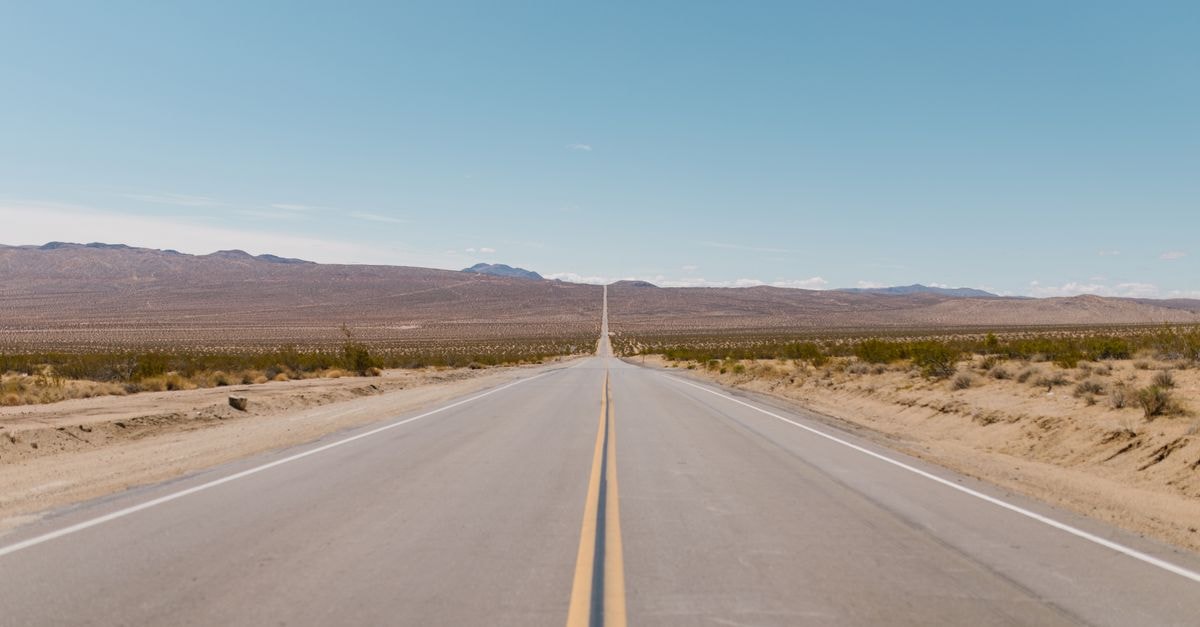
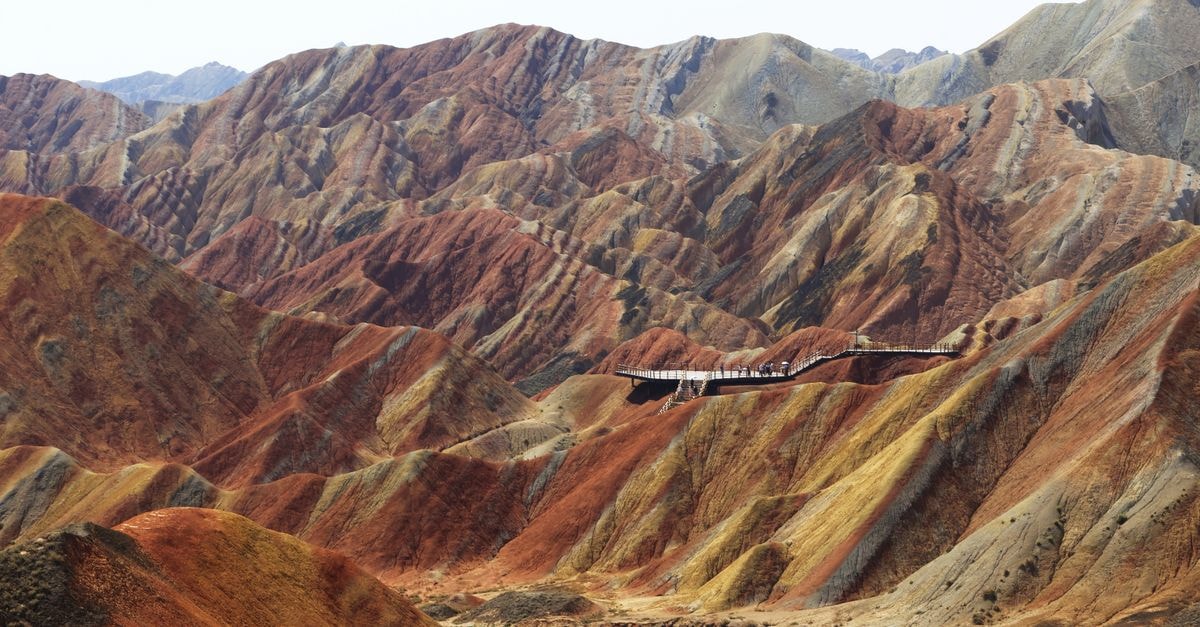
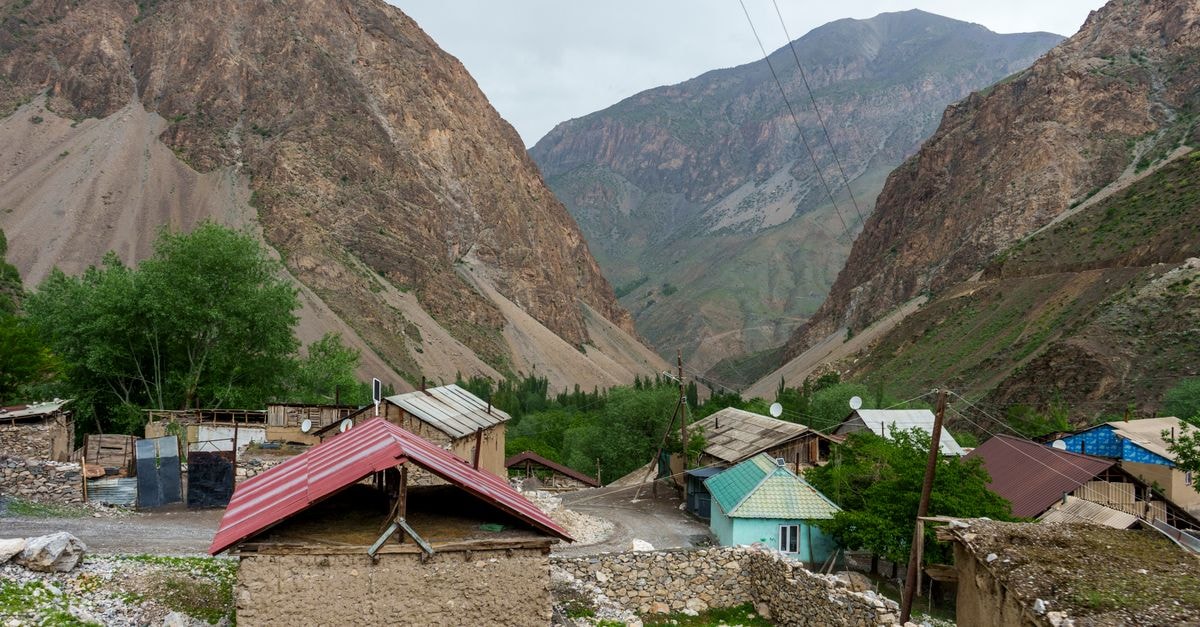
Semnan lies in a province stretched along an old Silk Road route east of Tehran. The Alborz foothills rise on one side, while the Dasht-e Kavir salt desert opens out on the other. This geography gives the region a distinctive character: a historic corridor associated with movement and trade, framed by mountainous and desert landscapes.
The province's population is listed at approximately 702,000, and Semnan is the provincial capital. These figures provide basic orientation rather than a detailed picture of the city itself. For travelers, the most useful context is the relationship between Semnan and the wider landscape, which extends from the foothills toward the desert.
The region has a dry upland character, but conditions are not uniform throughout the province. Snow is possible in the Alborz foothills, so travelers whose plans include mountain areas should distinguish those conditions from those of the surrounding lowlands and desert. Spring and autumn are identified as comfortable seasons for exploring the province's dry uplands and historic sites.
Historic places and regional heritage
Semnan province preserves evidence of the routes that connected communities long before desert tourism became a modern attraction. Damghan's Tapeh Hissar mound and the Bastam shrine complex point to a history of trade caravans passing through the area. These sites provide a historical counterpoint to the modern idea of the desert as a destination in its own right.
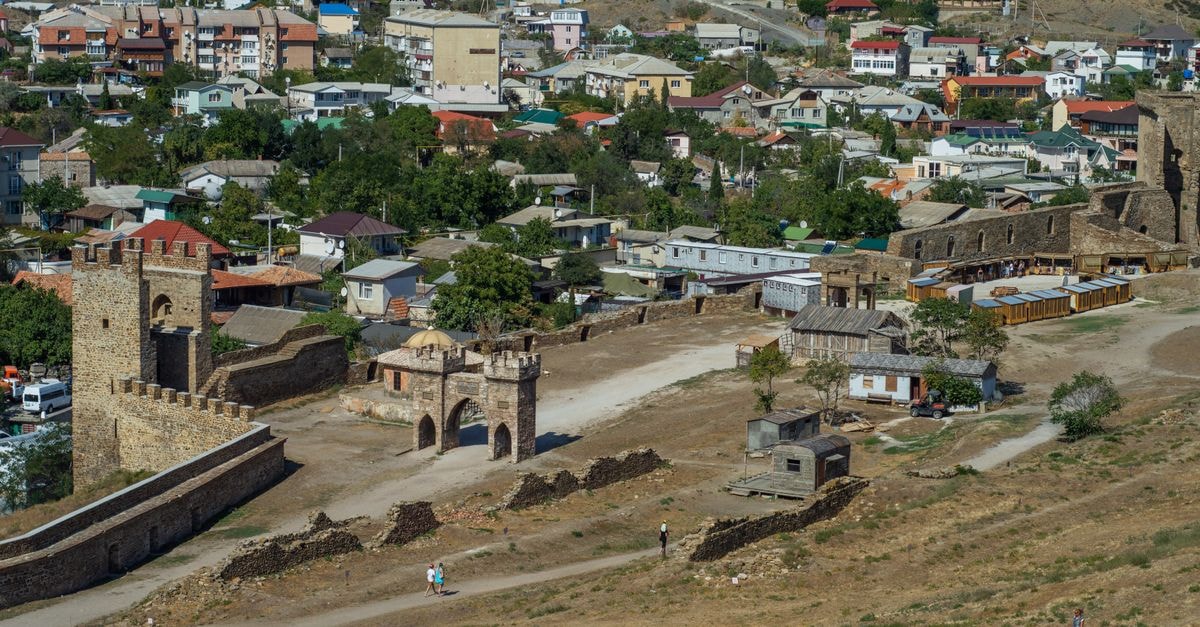
Jahanabad Castle offers another kind of heritage experience. It survives as a regional fortress ruin with masonry remains and attracts visitors interested in historical architecture, photography and a glimpse into Iran's provincial past. Its appeal is therefore primarily archaeological and architectural rather than tied to a fixed city-center itinerary.
These places are spread across the province, so travelers interested in history may want to consider how each site fits with the rest of their route before making plans. The sources support the regional significance and character of the sites, but they do not establish current opening days, admission rules, transport links or guided-tour availability.
Routes and regional orientation
Semnan province is associated with an east–west corridor between Tehran and Mashhad. Damghan, in the same province, sits on the main road and rail line between those cities and is described as an easy detour for travelers following a classic backpacking route through the region.
That corridor helps explain why caravan-era sites and later infrastructure can be understood together. Travelers planning to combine Semnan with nearby places may wish to treat the journey as a regional route rather than an isolated city visit. Current timetables, fares, road conditions and connections should be checked directly with operators or official transport channels because they can change.
Connectivity and online access
A city-focused digital nomad source reports that 4G/LTE service in Semnan can reach 40 Mbps. This is a reported network figure, not a guarantee for every location, device or time of day, but it offers a useful indication that mobile connectivity may be available for ordinary online use.
The same source notes that a VPN is required for many international sites. Travelers who depend on particular work platforms, communication services or online information may therefore need to confirm their access requirements before departure. A fast connection does not remove restrictions associated with individual websites or services.
Planning an adaptable visit
This guide is designed as evergreen context rather than a fixed itinerary. The strongest supported themes are the region's Silk Road history, the contrast between the Alborz foothills and Dasht-e Kavir, historic sites such as Jahanabad Castle, the corridor toward Damghan, and reported mobile connectivity.
The source material identifies spring and autumn as comfortable periods for exploring the province's dry uplands and historic sites, while also noting that snow is possible in the Alborz foothills. These statements describe broad seasonal considerations rather than a guarantee for every site. If you prefer milder conditions for outdoor sightseeing, consider the documented spring or autumn window and verify local forecasts before travel.
Visitors focused on historical architecture may find Jahanabad Castle a more compelling focus than a general city sightseeing plan. Those interested in trade history may prefer a route that includes Damghan's Tapeh Hissar mound and the Bastam shrine complex. Neither interpretation should be treated as a statement that the sites are accessible, open or identical in character without checking current local arrangements.
What to verify before departure
Opening hours, admission requirements, transportation schedules, prices, reservation rules and local conditions can change. Check current information through official channels or the relevant operators before departure. The available sources provide historical, geographic and connectivity context, but they do not replace time-specific confirmation for a particular visit.
Share this article
TOOLS FOR THIS PLAN
Make the Semnan plan measurable
Choose a tool only when it answers the next question in your trip. Your values stay in the browser, and each tool offers a route back to this planning context.