Catch up on the essentials
- The wording marks the first on-record acknowledgement by either AT&T or Apple that something is wrong with the top-tier iPhone model, and it landed roughly two weeks after the device went on sale on September 18.
- iOS 27.0.1 shipped on September 28, 2026 with release notes that describe a Face ID and unexpected-restart fix for iPhone 18 Pro models and contain no mention of cellular or modem behavior.
- Affected phones drop to SOS or "No Service" and remain there, or oscillate between 5G and SOS, with calls, texts and cellular data failing while Wi-Fi continues to work.
Selected from this article · 2026-10-03
Read on for the full pictureAT&T's 911 warning and the iOS 27.0.1 instruction

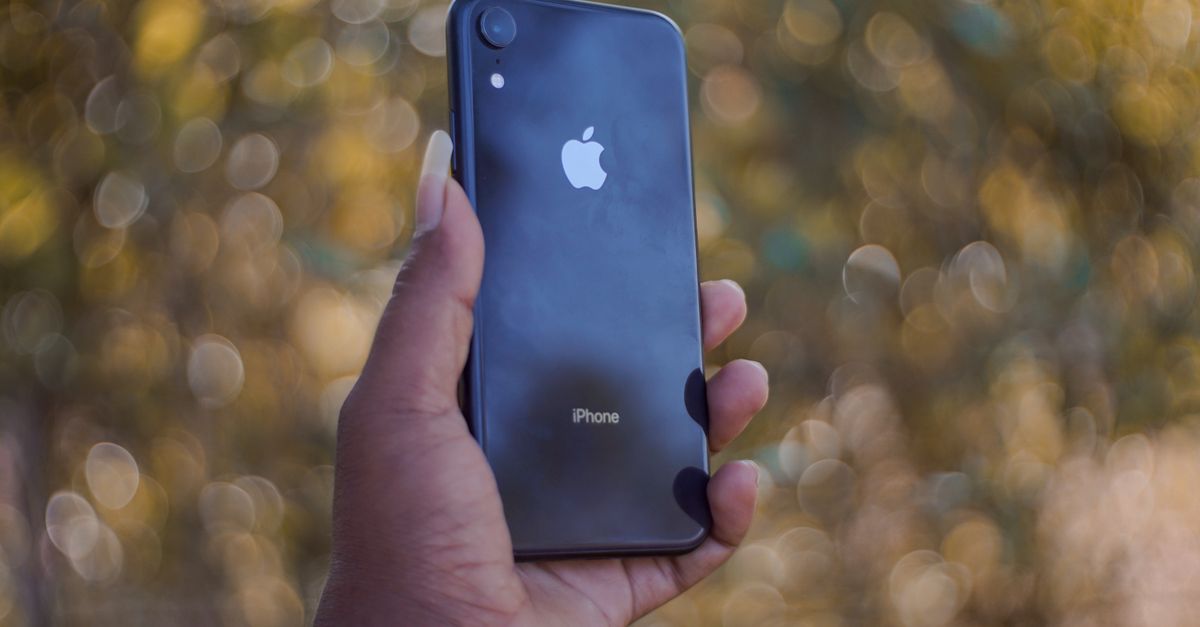
AT&T sent text messages on Friday, October 1, 2026 to U.S. iPhone 18 Pro Max customers telling them that "some phones may be unable to complete calls/text/data, including to 911," and instructing them to install iOS 27.0.1 immediately through Settings → General → Software Update. The wording marks the first on-record acknowledgement by either AT&T or Apple that something is wrong with the top-tier iPhone model, and it landed roughly two weeks after the device went on sale on September 18. Apple has not publicly commented on the connectivity failures.
Why the update AT&T names does not match the complaint
iOS 27.0.1 shipped on September 28, 2026 with release notes that describe a Face ID and unexpected-restart fix for iPhone 18 Pro models and contain no mention of cellular or modem behavior. Owners who installed the build and continued to lose service argue that the update does not address the problem they are experiencing. Two readings remain plausible: a cellular fix shipped undocumented alongside the Face ID patch, or AT&T is directing customers to the newest build because it is the only lever a carrier can pull from outside Apple.
The symptoms and the scale of the reports
Affected phones drop to SOS or "No Service" and remain there, or oscillate between 5G and SOS, with calls, texts and cellular data failing while Wi-Fi continues to work. Reinstalling the eSIM does not restore service, and at least one owner was given a replacement handset after AT&T's own RF diagnostics returned clean. The failures appear concentrated on AT&T subscribers. Users have posted thousands of accounts across Apple Support Communities, Reddit and the MacRumors forums, a floor rather than a verified count, and retail staff were reportedly unaware of the issue for most of the past two weeks.
A modem anomaly specific to the U.S. Pro Max
A TechInsights teardown published in September found that the U.S. iPhone 18 Pro Max is the only iPhone 18 model not using Apple's in-house C2 modem; instead it uses Qualcomm's Snapdragon X80, while the same Pro Max sold outside the U.S. uses the Apple C2. Neither Apple nor Qualcomm has commented on a modem fault, and no teardown or diagnostic on the public record establishes one. Reporting notes that a failure concentrated on a single handset on a single carrier usually points to the interaction between one modem stack and one network's configuration, a category of fault that neither party owns outright.
Next verifiable milestone
The next marker to watch is whether Apple issues a further software release such as iOS 27.0.2 with explicit cellular or modem language, or whether AT&T and Apple begin offering replacements or regulatory disclosures tied to the 911 risk for U.S. iPhone 18 Pro Max owners.
Share this article