Catch up on the essentials
- Google will send a satellite called MVP carrying four of its Tensor Processing Units into low Earth orbit on 1 October 2026 aboard a SpaceX Falcon 9 Transporter-18 rideshare mission.
- In orbit they will execute Gemini in bursts of about 15 minutes at a time, a duty cycle dictated by how quickly the satellite’s radiators can shed heat.
- SpaceX has separately outlined plans for a constellation of up to a million computing satellites of its own, suggesting that orbital AI compute is being explored on both sides of the partnership.
Selected from this article · 2026-09-28
Read on for the full pictureMission profile and launch window

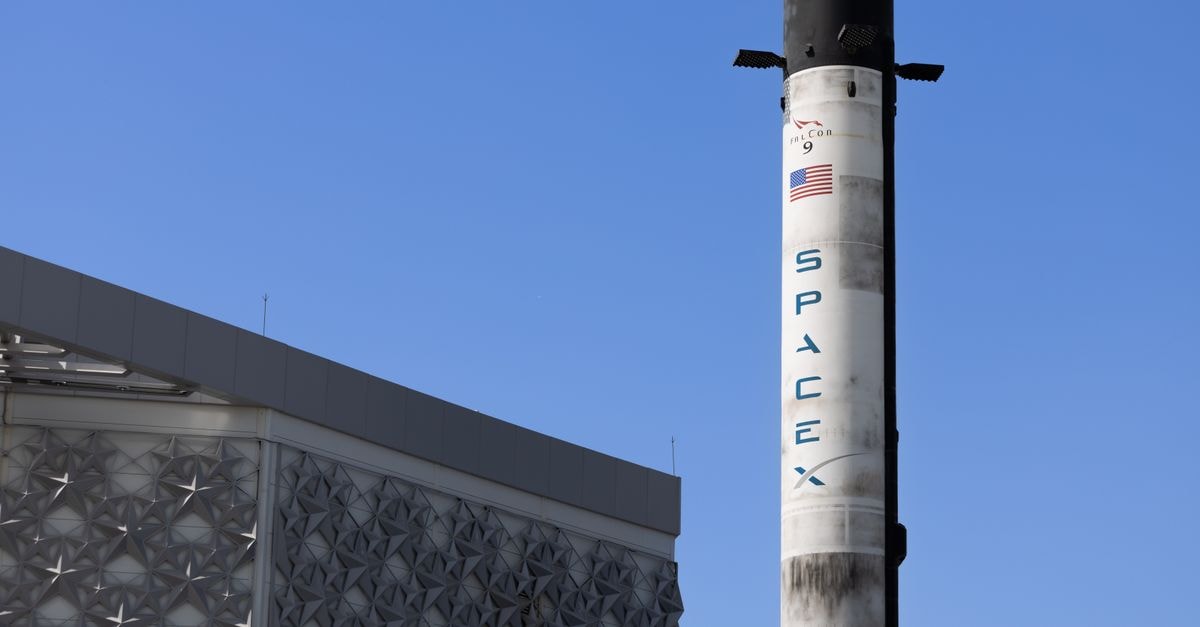
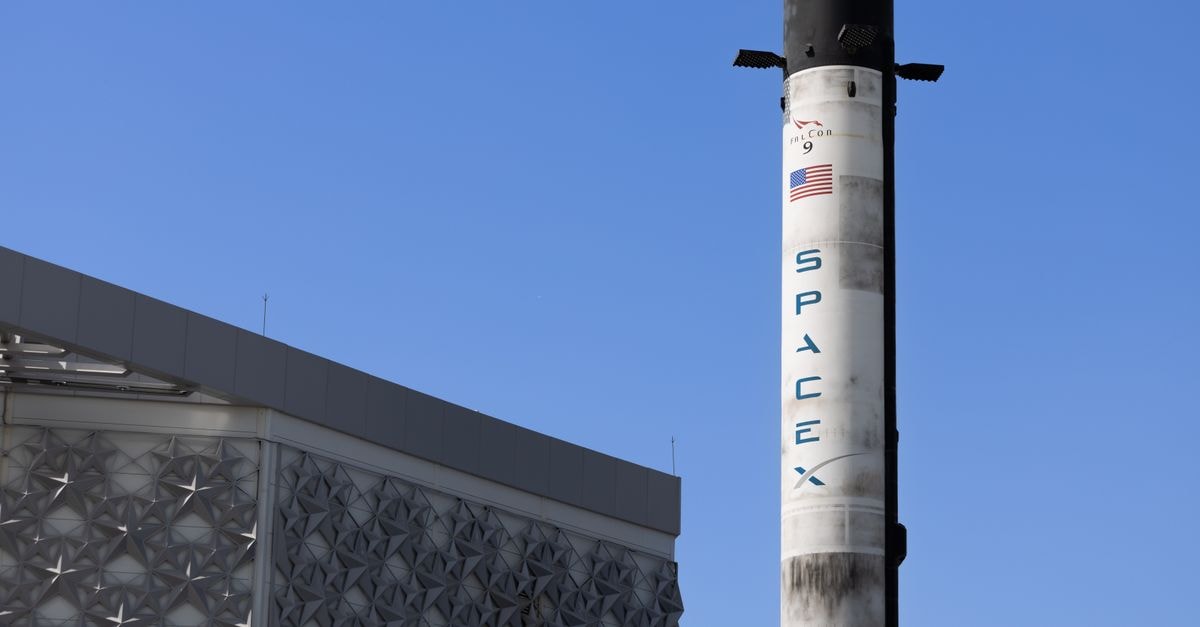
Google will send a satellite called MVP carrying four of its Tensor Processing Units into low Earth orbit on 1 October 2026 aboard a SpaceX Falcon 9 Transporter-18 rideshare mission. The bus-sized payload, about the size of a refrigerator, will draw roughly one kilowatt of solar power and represents the first hardware flown under Project Suncatcher, the research program Google publicly unveiled in November 2025. The aim of the experiment is to determine whether Google’s AI accelerators can operate in orbit and support model inference far from terrestrial data centers.
Onboard compute and radiation limits
The four chips are adapted versions of the accelerators Google uses to train and run its Gemini family of models. In orbit they will execute Gemini in bursts of about 15 minutes at a time, a duty cycle dictated by how quickly the satellite’s radiators can shed heat. Google has framed the trial as a stress test of radiation tolerance and thermal management, two gating constraints for any future satellite constellation that wants to run AI workloads directly in space rather than beaming raw data back to Earth.
What the test is designed to settle
Project Suncatcher’s MVP flight is a deliberately narrow engineering experiment. According to the project, the immediate questions are whether the TPUs survive launch and the space radiation environment, whether their performance degrades predictably, and whether thermal limits can be respected during inference. A follow-on two-satellite mission is planned for 2027 to validate laser crosslinks between orbiting TPUs, a prerequisite for distributed inference across multiple spacecraft.
Ties to SpaceX and the road to a million-satellite grid
The choice of SpaceX as launch provider sits inside a broader commercial relationship between the two companies. Google has held a stake in SpaceX since 2015 and currently pays SpaceX about $920 million a month for ground-based GPU compute through June 2029. SpaceX has separately outlined plans for a constellation of up to a million computing satellites of its own, suggesting that orbital AI compute is being explored on both sides of the partnership. A second source, Gadgets Now, notes that Indian startup TakeMe2Space will fly its own orbital computing satellite, MOI-1a, on the same Transporter-18 mission, underscoring that Google is not alone in testing compute hardware on this flight.
Other developments
Separately, SpaceX is preparing Starship Flight 14 for 28 September 2026, which it has characterized as Starship’s first potential “revenue-generating” flight. The mission is expected to place 26 Starlink V3 satellites into orbit, each rated at about one terabyte per second of downlink capacity, though SpaceX has said internal Starlink launches are not booked as inter-segment revenue. Additional industry commentary has questioned a $180 billion estimate of the cost to launch a gigawatt of AI compute, arguing the figure rests on assumptions that do not match current launch economics.
Share this article