Iraq and Türkiye sign one-year pipeline accord

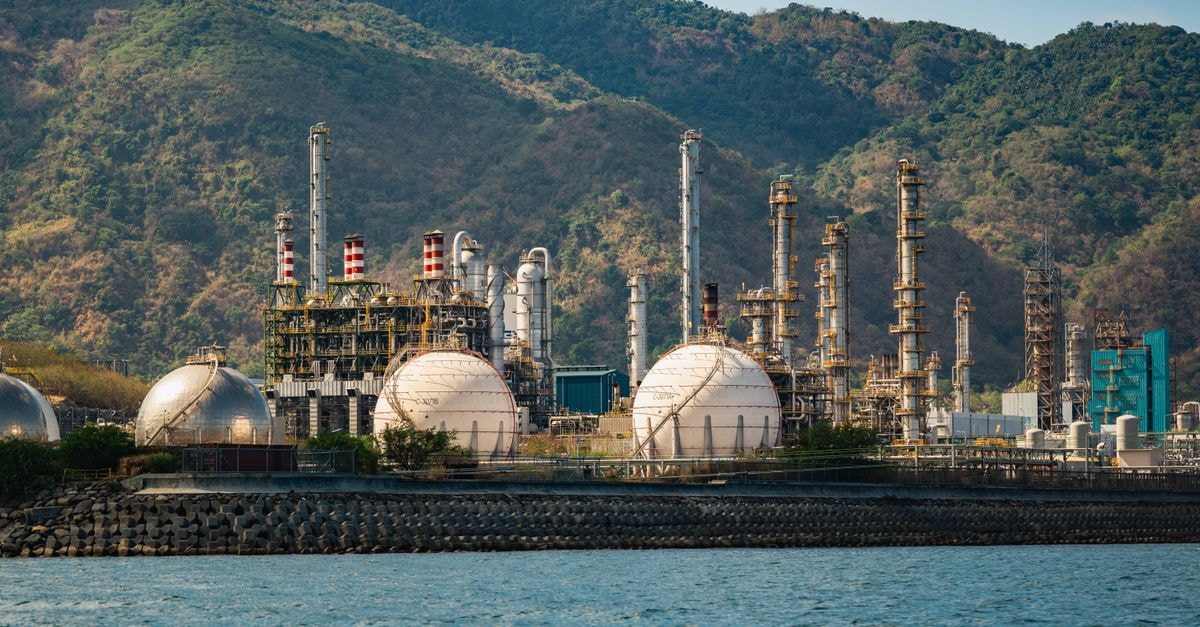
Iraq and Türkiye signed a one-year agreement on August 2 to transport and load Iraqi crude oil through the Iraq–Türkiye pipeline to the port of Ceyhan at a minimum rate of 750,000 barrels per day, Gulf News reported. Iraqi Ministry of Oil spokesman Salim Al Rikabi told the Iraqi News Agency that the agreement is a prelude to a comprehensive deal aimed at raising export capacity above one million barrels per day after completion of the Basra–Haditha–Kirkuk–Ceyhan pipeline. Iraqi Prime Minister Ali Al Zaidi described the deal as "an important strategic milestone to ensure the uninterrupted flow of our oil exports and strengthen economic cooperation," adding that Iraqi and Turkish companies will begin implementation while the two governments finalize a framework covering oil, electricity and water resources.
Indian refiners halt Iraq loadings
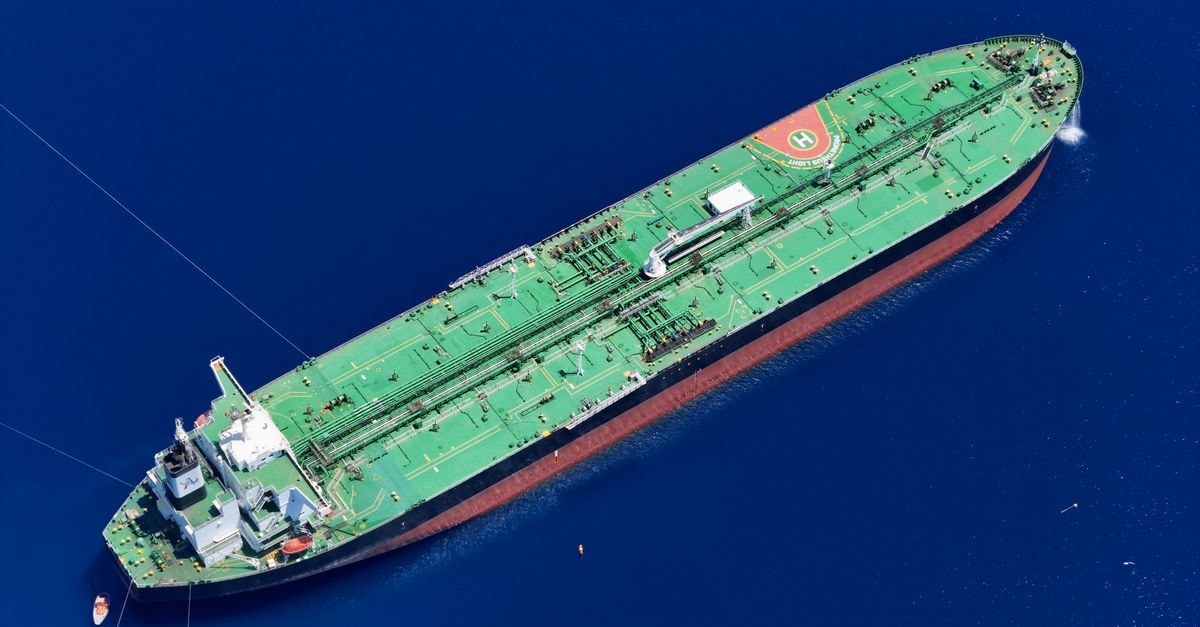
Two major Indian state-run refiners suspended crude oil loadings from Iraq as security conditions in the Strait of Hormuz deteriorated, Energies Media reported on August 1. Indian Oil Corp. abandoned plans to load the supertanker Lila Jamnagar — capable of carrying up to two million barrels — after concluding the crossing had become too dangerous. Mangalore Refinery & Petrochemicals Ltd. (MRPL), controlled by state-owned Oil and Natural Gas Corp., reached the same conclusion independently and halted Iraq liftings, citing the deteriorating situation in the waterway. Because Indian state refiners typically buy Iraqi crude under long-term contracts that place the shipping burden on the buyer, they bear direct exposure to tanker availability and rising insurance premiums, the report noted. Neither refiner nor India's oil ministry responded to requests for comment.
Strait of Hormuz attacks reshape shipping calculus
The refiner suspensions followed a series of Iranian attacks on commercial tankers in the Strait of Hormuz in recent days, with several freighters struck by projectiles, Energies Media reported. Vessels running with transponders switched off to avoid detection have also come under fire, removing one of the few remaining evasion tools for shipowners. India's shipping ministry followed by barring seafarer deployments through the strait, contributing to a wider retreat by commercial shipping from one of the world's most critical energy chokepoints. Insurance costs for vessels transiting high-risk zones typically spike during conflict, and the loss of operational workarounds has introduced broad uncertainty over whether transit is viable regardless of precautions.
Crude benchmarks swing on Middle East escalation
Benchmark prices reversed sharply after Islamic Revolutionary Guard Corps forces launched multiple ballistic missiles from Iran in a surprise attack on U.S. forces in the Middle East on July 28, Petroleum News reported; U.S. Central Command said all Iranian missiles were intercepted. On July 28, Alaska North Slope crude fell $1.39 to $77.36 per barrel, WTI dropped $3.35 to $79.26 and Brent dropped $4.27 to $84.29 — the fourth consecutive session of declines following President Donald Trump's July 24 halt to U.S. strikes on Iran. After the missile launch, crude futures turned sharply higher in Asian trading. On July 29, WTI jumped $5.22 to close at $84.48 and Brent jumped $4.00 to $88.09, before U.S. CENTCOM completed a heavy wave of retaliatory strikes against Iran late that day, hitting Islamic Revolutionary Guard Corps command centers, missile and drone facilities, coastal surveillance and maritime capabilities.
U.S. crude inventories drop sharply
U.S. commercial crude oil inventories for the week ended July 24 plunged by 7.2 million barrels from the prior week to 404.5 million barrels, 6% below the five-year average, the U.S. Energy Information Administration said on July 29, according to Petroleum News. Total motor gasoline inventories edged up but remained 7% below the seasonal five-year average, while distillate fuel inventories rose by 1.1 million barrels to 110.6 million barrels, 10% below the five-year benchmark. The U.S. Strategic Petroleum Reserve was drawn down by 3.7 million barrels to end the week at 307.7 million barrels, the EIA said.
Share this article