Oil steadies after Monday's 2% decline

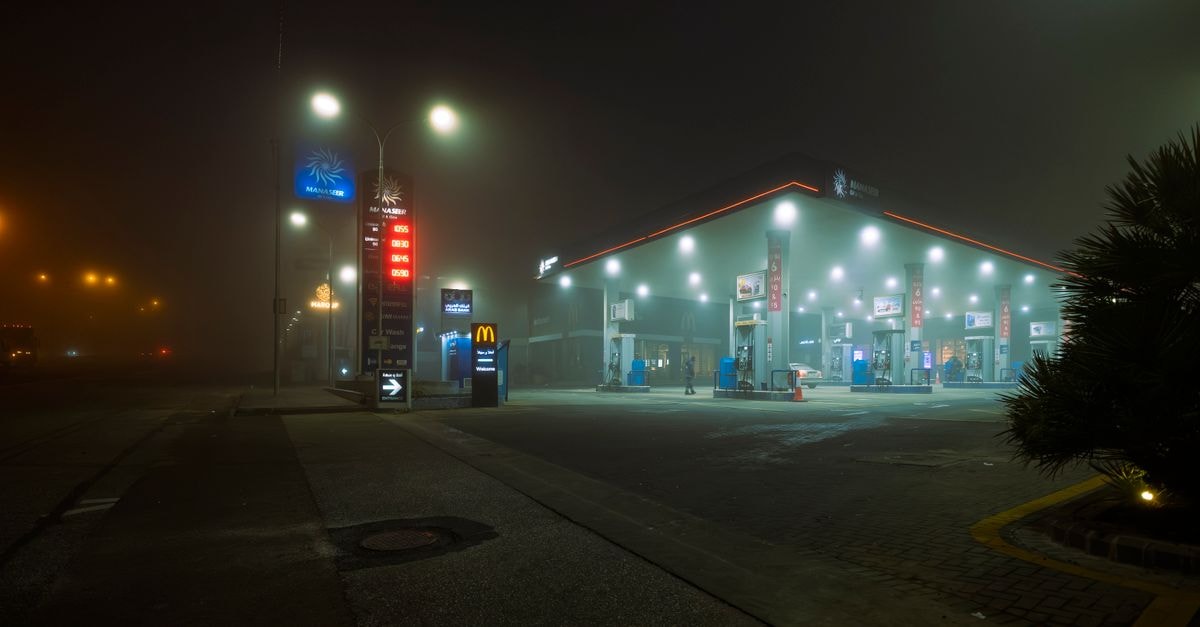
Brent crude futures slipped 9 cents, or 0.1%, to $92.16 a barrel by 0104 GMT on Tuesday, while U.S. West Texas Intermediate crude edged up 1 cent to $85.02, a day after both contracts fell more than 2%. The Monday drop pulled U.S. crude to a one-week low on profit-taking following a prior two-week rally. The price action came as traders assessed the broader impact of expanded U.S. secondary sanctions against Iran.
Treasury expands sanctions pressure on Iran's economic lifeline
U.S. Treasury Secretary Scott Bessent on Monday unveiled an expansion of sanctions aimed at cutting off Iran's economic lifeline in an effort to force an end to the war between the two countries. Under the new directive, countries must sever business ties with Iran or risk being cut out of the dollar-based financial system. Bessent declined to identify the countries that would be targeted or reveal when the penalties would take effect, saying he would instead give them time to comply.
Markets price coercion as lower-risk than military action
The shift toward economic pressure rather than military confrontation shaped the market response. U.S. Defense Secretary Pete Hegseth said Monday the U.S. would not rule out military force against Iran, but analysts said the turn toward coercion removed concerns about threats to Middle Eastern oil supply tied to the war. "Markets appear to be pricing economic pressure as a lower-risk path for physical supply than kinetic action, which is why the initial reaction was for oil to move lower rather than spike higher," said Tim Waterer, chief market analyst at KCM. Waterer cautioned that "Iran still retains the ability to respond by disrupting shipping, which continues to keep a residual premium in the oil price."
Tanker strike and Hormuz tensions keep risk premium intact
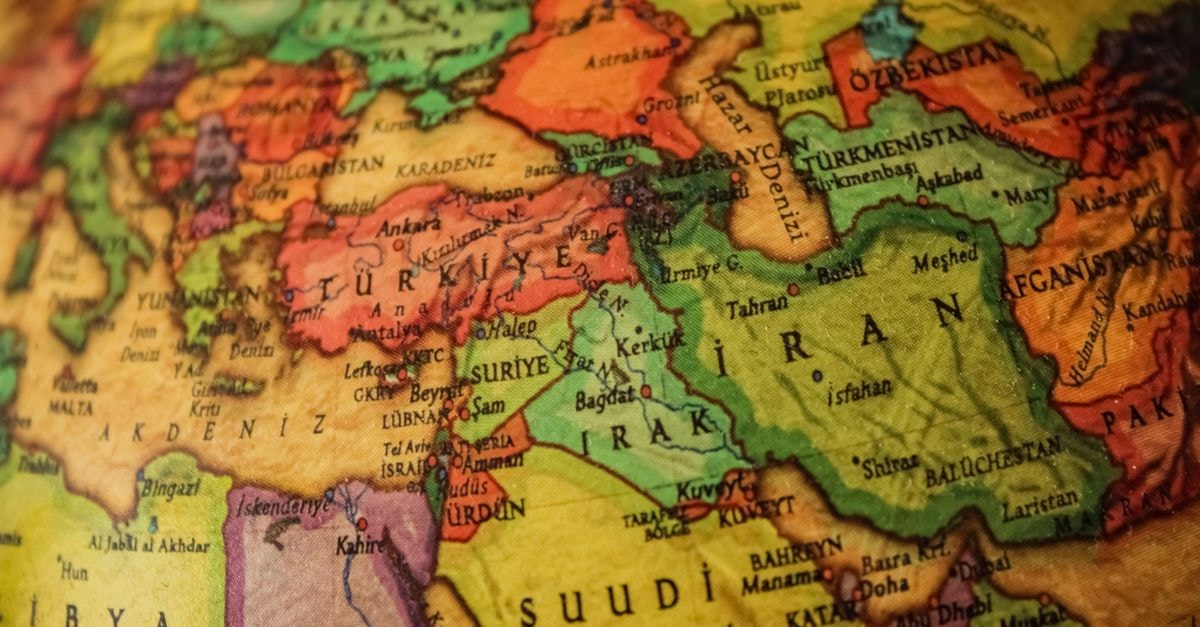
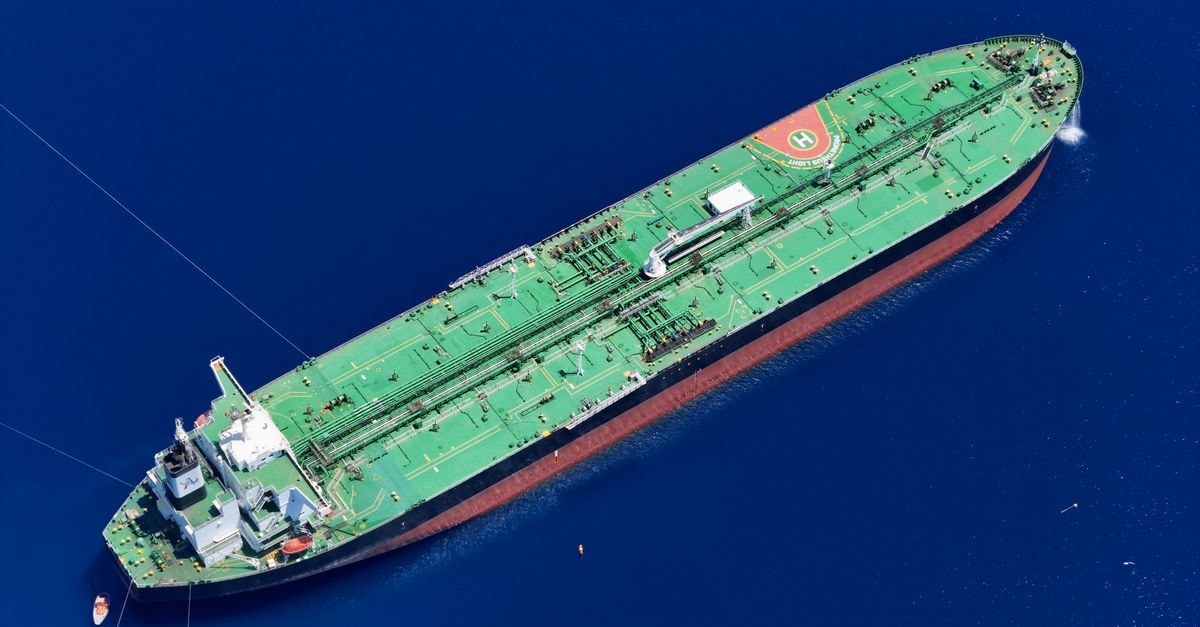
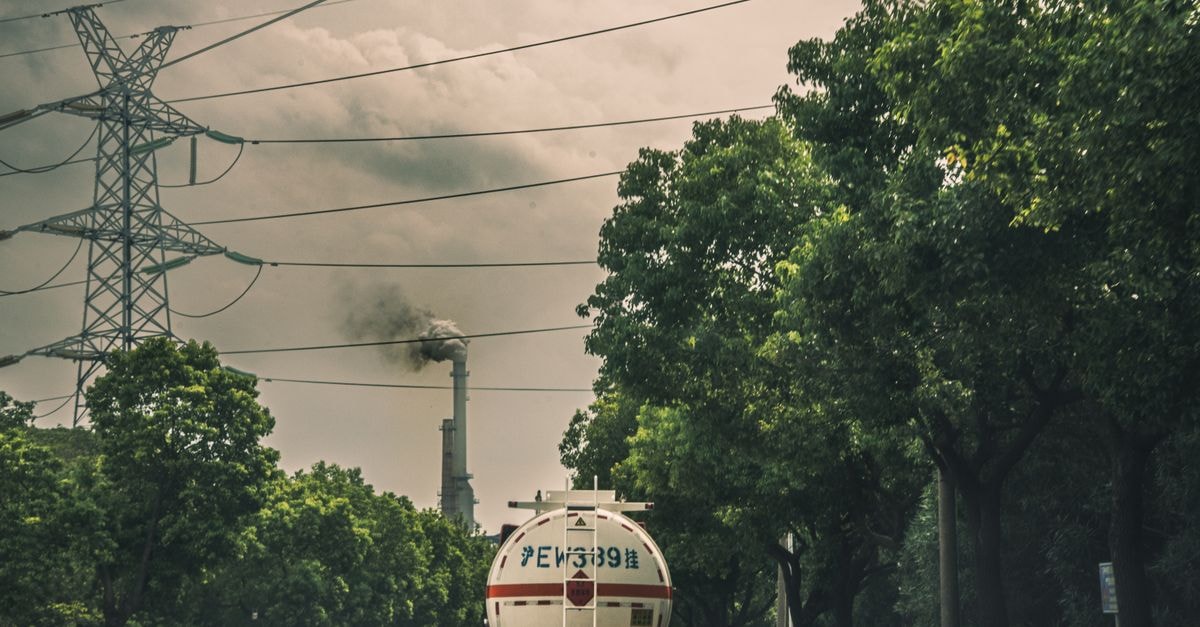
Shipping risks near the Strait of Hormuz remained visible. The United Kingdom Maritime Trade Operations reported that an oil tanker was struck by an unidentified projectile and disabled about 9 nautical miles northeast of Oman's Ash Shishah. Iran has maintained it should have control over the strait, which before the war started in February typically carried cargoes equal to about 20% of global oil use. On Monday, Iran named 45 tankers it said had broken its rules on crossing the strait and threatened action against them, including confiscating cargoes.
Strategic Petroleum Reserve falls to lowest since November 1982
Supply disruptions linked to the war that started on February 28 have pushed countries to draw down commercial and strategic reserves. The Department of Energy reported Monday that stocks of crude oil in the U.S. Strategic Petroleum Reserve fell by about 3.7 million barrels to 289.7 million barrels last week, the lowest since November 1982. The report landed a day after Iran and Oman discussed a temporary Hormuz corridor amid the ongoing impasse with the U.S., keeping diplomatic and military tracks open in parallel with the new sanctions regime.
Share this article