September 30, 489 CE · Italy · Gothic lances bristle above the olive groves.

In Italy, Ostrogoths is unfolding. The Ostrogoths under Theoderic the Great defeat the forces of Odoacer for the second time.
I ride at the edge of a flying column, my leather jerkin stiff with road dust. Theoderic's horsemen pour across the plain where Odoacer's men held their ground only days ago, and now the field belongs to his banner. Helmets glint, the war-cry rises, and shields clatter against buckles as captives are herded toward the road to Ravenna. A Goth waves me forward, sparing my Roman horse for a fresh rider who needs it. Wind snaps the green and gold gonfalon overhead. The clash begins again to the south, where another band of Odoacer's foot soldiers is being driven into the marsh. Smoke thickens above the trees as a supply depot is set alight. Theoderic's captains shout orders in a language I half-understand. Hooves churn the trampled wheat. Beyond the river, dust rises on the autumn wind.
September 30, 737 CE · Syria · Our horses ford the shallows south of the Oxus.
In Syria, Türgesh is unfolding. The Türgesh drive back an Umayyad invasion of Khuttal, follow them south of the Oxus, and capture their baggage train.
I ride alongside the On Oq outriders, my bow drawn across the saddle horn. The Umayyad column streams back toward the south, its banners tilted by the wind of retreat. Our scouts have harried them since Khuttal, and now their baggage camels stagger under our arrows. Dust kicks up from hooves, and the smell of sweat and trampled sage burns my nostrils. A Türgesh captain raises his arm, calling the line to wheel. The enemy rear-guard bunches around its commander, lances leveled. We gallop closer, loosing shafts at every stride. One camel driver falls from his mount, and the packs spill open - silk, coin, tent poles scatter across the gravel. Our riders leap from the saddle to gather what the Umayyads have dropped. Beyond the hills, snow already caps the distant mountains.
September 30, 1139 CE · Russia · The mountain shudders beneath my workshop.
In Russia, 1139 Ganja earthquake is unfolding. A magnitude 7.7 earthquake strikes the Caucasus mountains in the Seljuk Empire, causing mass destruction and killing up to 300,000 people.
I kneel in the doorway of my workshop, a chisel still in my hand. The mountain shudders, and the wall beside me cracks open from foundation to eaves. A neighbor screams, but the sound dies under the roar of falling stone. The sky darkens with dust. Through the dust, houses fold in on themselves like paper, and the minaret I helped raise with my own hands splinters into the street. People run past, clutching children and whatever cloth they could grab. The ground rolls again, throwing me against the doorframe. Around the ruined square, voices cry out in every tongue of the bazaar. Word spreads already of villages buried in the foothills and a death-count beyond easy reckoning. For the moment, the only measure is the living crawling from the rubble. Above the dust, a single bell tolls from a cracked steeple.
September 30, 1399 CE · United Kingdom · Trumpets call the lords to order in Westminster Hall.
In United Kingdom, Henry IV of England is unfolding. Henry IV is proclaimed king of England.
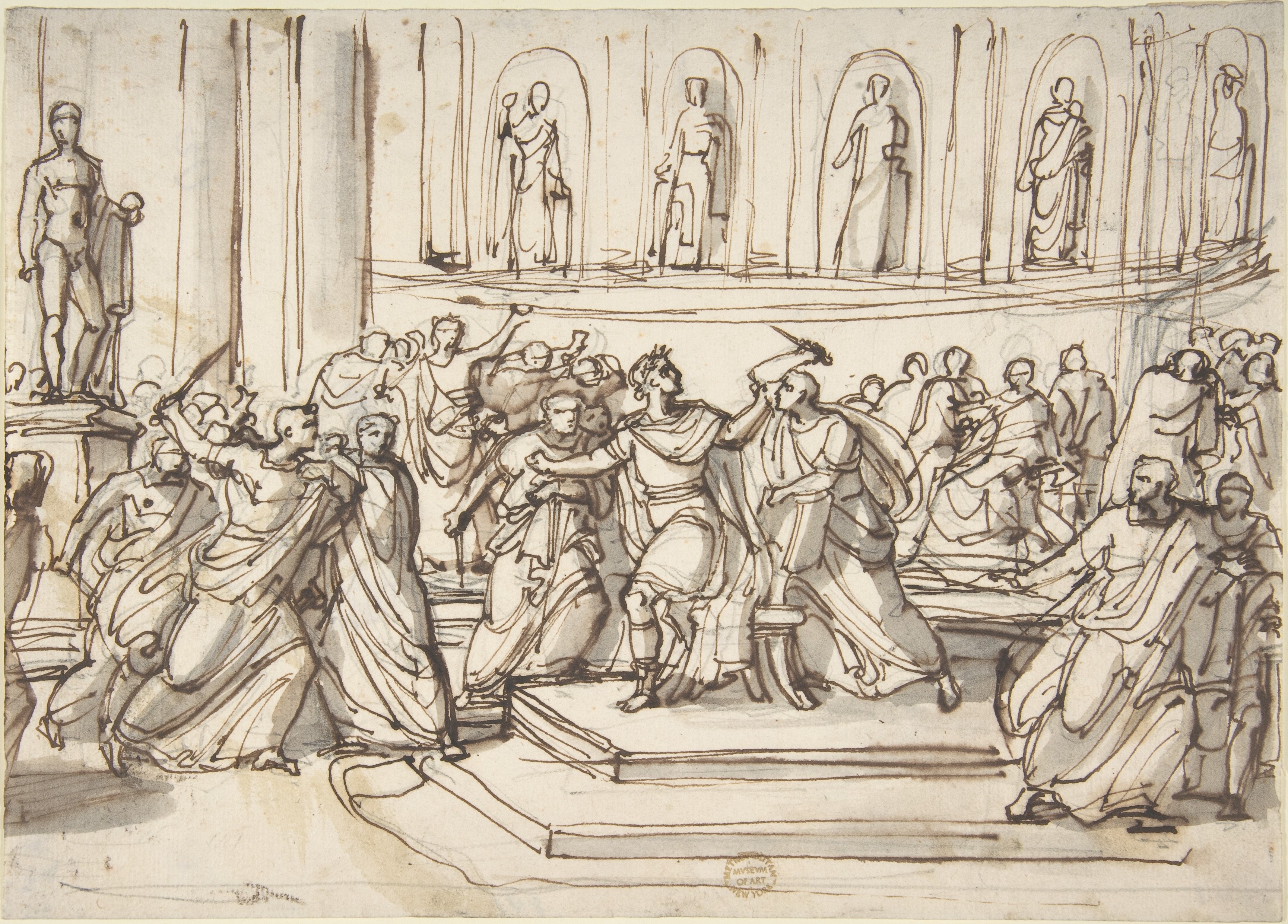
I stand among the heralds at the painted doors, my tabard damp with the morning fog off the Thames. The chamber fills slowly, earls and bishops taking their places along the walls. The Archbishop steps forward, and the herald at my shoulder hands me the proclamation scroll. I unroll it, my voice ringing against the hammer-beams as I call Henry, son of John of Gaunt, as king of England. A murmur moves through the hall, then rises into applause. The new monarch sits on the throne, his crown freshly placed, his eyes fixed on some middle distance. Richard sits nowhere in this hall. Outside, the bells of Westminster Abbey break into a ragged peal. Commons and nobles alike kneel, and the procession begins to file past the dais. I follow last, the great seal swinging at my belt, and the chant of acclamation rolls out through the open doors.
September 30, 1520 CE · Turkey · A new sultan claims the throne in the imperial palace.
In Turkey, Suleiman the Magnificent is unfolding. Suleiman the Magnificent becomes sultan of the Ottoman Empire.
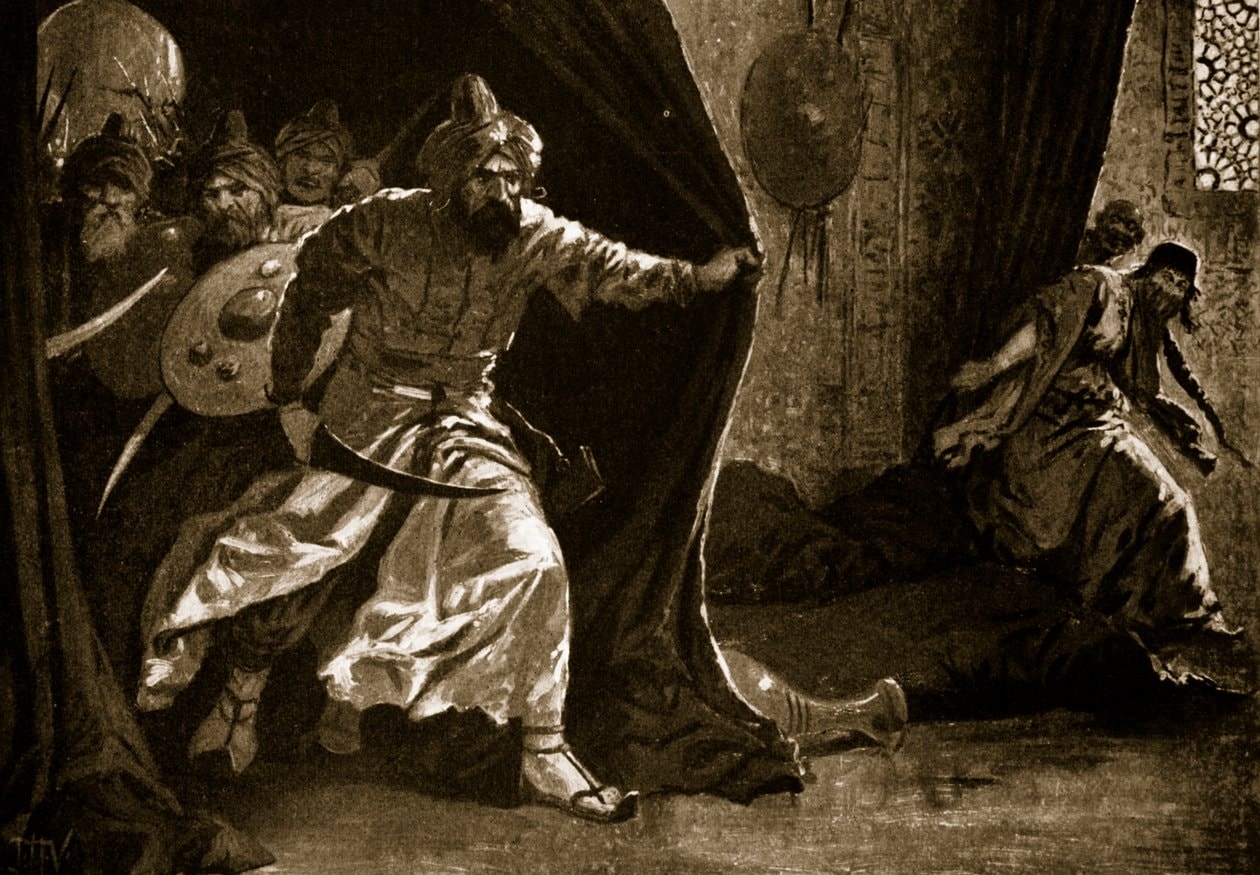
I stand among the pages in the inner court, my collar still stiff with starch. Selim's body has been carried out, and now the gates open for Suleiman, his robes weighted with brocade and pearl. The officers of state prostrate themselves, and one by one the agas follow. Incense drifts from the censers, sweet and heavy under the cedar rafters. The young sultan seats himself, his hand resting on the hilt of his father's sword. He studies each face in turn, and the silence thickens. Outside, cannon thump from the Bosphorus and the Janissaries beat their drums. I pour water into the gilded basin, my hands steady, my eyes lowered. The empire breathes, and waits for its new lord to give it direction. The Janissary drums roll out across the water toward distant shores.
September 30, 1551 CE · Japan · Steel flashes in the temple's painted corridors.
In Japan, Tainei-ji incident is unfolding. A coup by the military establishment of Japan's Ōuchi clan forces their lord to commit suicide, and their city is burned.
I kneel in the chanting hall, my sleeves folded over the sutra, when boots thunder on the wooden veranda. Sue Takafusa's men pour through the gate with torches and blades, shouting for the lord. Ōuchi Yoshitaka retreats deeper into Tainei-ji, his white face turned toward the inner rooms. A captain orders the shrine fires lit, and within moments smoke begins to curl along the rafters. I shield my mouth with my sleeve, backing toward the back gate. A retainer falls bleeding past me, his spear clattering on the stones. Through the burning screens I watch the lord press a blade against himself, and the silk he wears darkens as he slumps. The coup has found its end. The city beyond the temple walls is already a sheet of flame. The fires paint the autumn moon a deep, bruised red.
September 30, 1887 CE · China · The Yellow River overruns its dikes near Zhengzhou.
In China, 河南 is unfolding. 中国河南郑州下汛十堡(今惠济区花园口镇石桥村)发生黄河决口,致使200多万(一说93万;一说最保守估计150万;一说700万)人罹难。
I wade through the bean field behind my father's house, lantern swinging, when the wind shifts and the river-smell sharpens. The dike is giving way at the tenth bao, the watchmen's shouts carrying over the willows. Lanterns bob along the embankment as men drive in stakes, but the water pushes through anyway, brown and foaming, sweeping a cart into the current. Within minutes the field is ankle-deep, and the family beside us drags what they can onto the roof tiles. The old dike-master stands at the breach, weeping and shouting for more sandbags. By dawn the village is a shallow lake, and bodies float past on the current. The land we knew has become a brown sea. We climb onto the loft, the lantern still burning in my hand, and wait for whatever morning brings.
Share this article