US to draft new exit safety rules for electric door systems

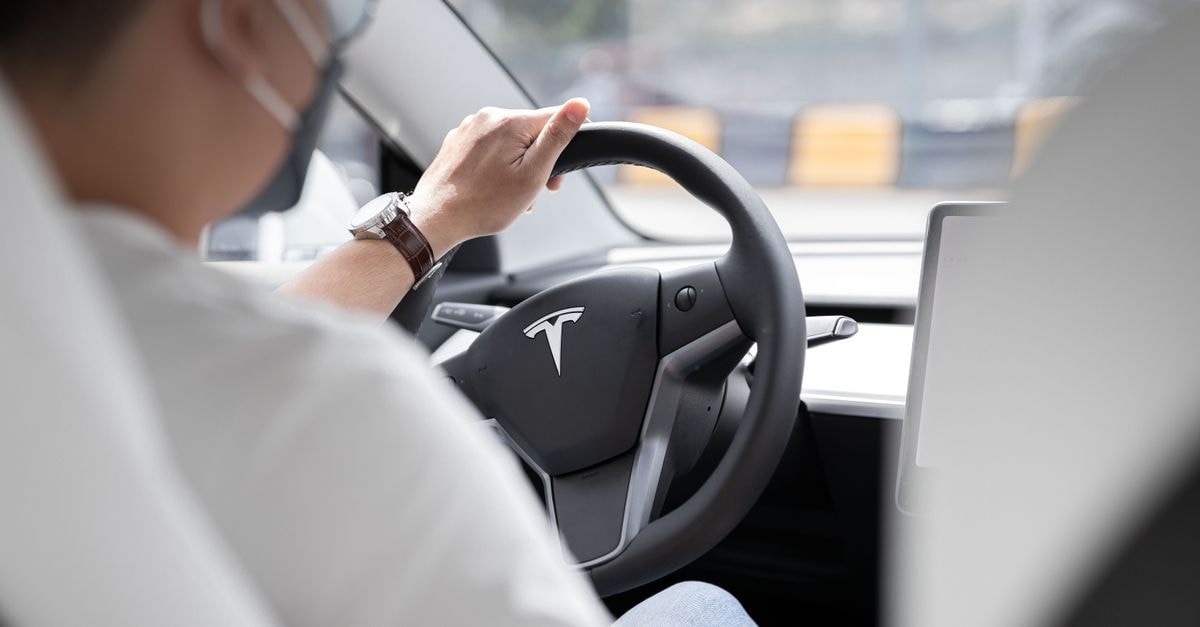
The US National Highway Traffic Safety Administration said on July 24, 2026 that it will begin the rulemaking process to mandate "a robust and obvious door egress system in all motor vehicles." The action, reported by CNBC TV18 citing a regulatory filing, follows a November 2025 petition from a Silicon Valley engineer and prior reporting of at least 15 deaths across a dozen incidents involving Tesla vehicles that lost power and trapped occupants after crashes. NHTSA will gather information and public comments before deciding whether to issue new federal safety standards; the Centre for Auto Safety's Michael Brooks said a final compliance date is unlikely before 2030 even if the rulemaking moves quickly. Tesla did not respond to a request for comment, and US Representative Robin Kelly has introduced separate legislation that would require manual door releases on new cars.
China's supersized EVs pressure a shrinking road maintenance budget
The Straits Times reported on July 24, 2026 that China's large electric vehicles, some more than 5 metres long and weighing three tonnes, are straining road infrastructure while reducing the fuel-tax receipts that local governments depend on for upkeep. Six of every 10 new cars launched in China in the first half of 2026 exceeded 5 metres, while the share of new models that were compact vehicles under 4 metres has fallen sharply, according to the secretary-general of the China Passenger Car Association. A transport ministry research unit estimated an annual funding shortfall of roughly 50 per cent for ordinary road maintenance, with about 40 per cent of local roads described as "listed for maintenance but starved of funds."
Beijing halves NEV sales tax break, ends exemptions for heavy plug-ins
China is rolling back long-standing tax incentives for new energy vehicles. The decade-long NEV sales tax discount was recently cut in half to 5 per cent and capped at 15,000 yuan, and the finance ministry has separately announced that annual vehicle and vessel tax exemptions will be eliminated entirely for plug-in hybrids and extended-range EVs—the categories powering the oversized vehicle boom. New mandatory energy-consumption standards penalise excessively heavy passenger cars, pushing automakers toward lighter materials and more aerodynamic designs rather than simply larger batteries for additional range.
Mileage-based road charges piloted as fuel-tax era ends
Provinces including Hainan are piloting satellite-navigation systems to track targeted vehicles and lay the groundwork for a dynamic, distance-based road user charge, according to The Straits Times. Similar schemes already operate abroad: Iceland requires annual odometer readings and charges drivers roughly 6 US cents per mile, while New Zealand sells EV owners a road user licence for about US$44 per 1,000km. A CCTV.com commentary cited in the same report described the trend toward larger vehicles as "a distorted reflection of short-term market demands and competitive strategies."
Next milestones to watch
NHTSA's forthcoming public-comment phase will shape any future federal door-egress standard, while the outcomes of China's tax revisions and Hainan's satellite-based road-charging pilot will indicate how Beijing plans to fund road maintenance as EVs continue displacing fuel-tax receipts.
Share this article