Shanghai Aishengna leads the production effort

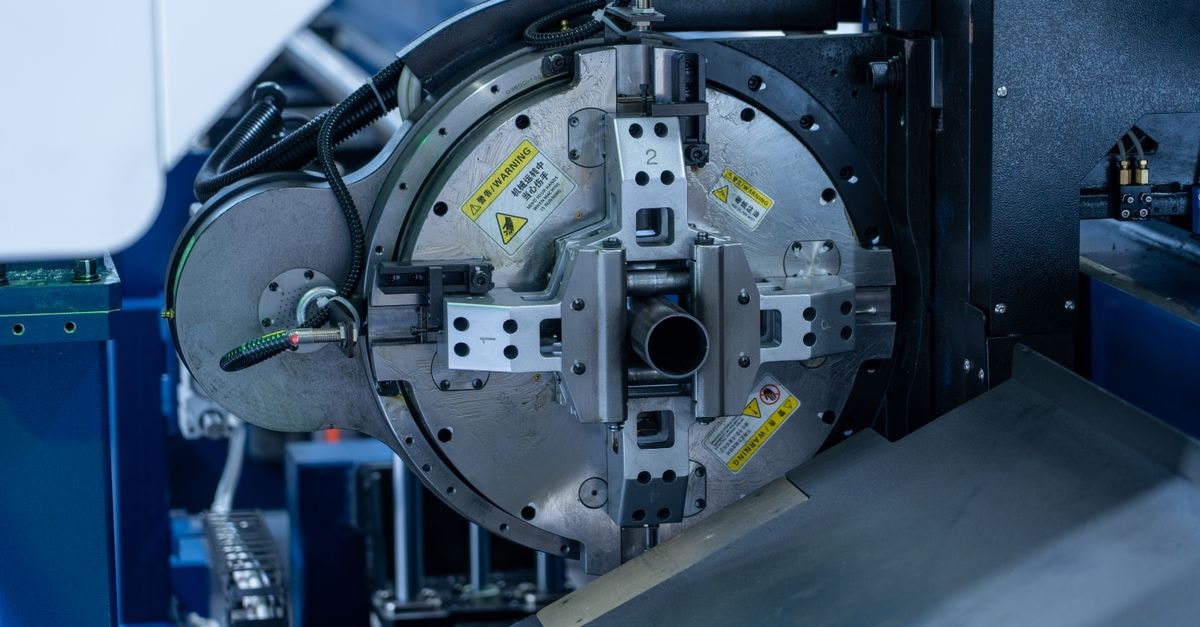
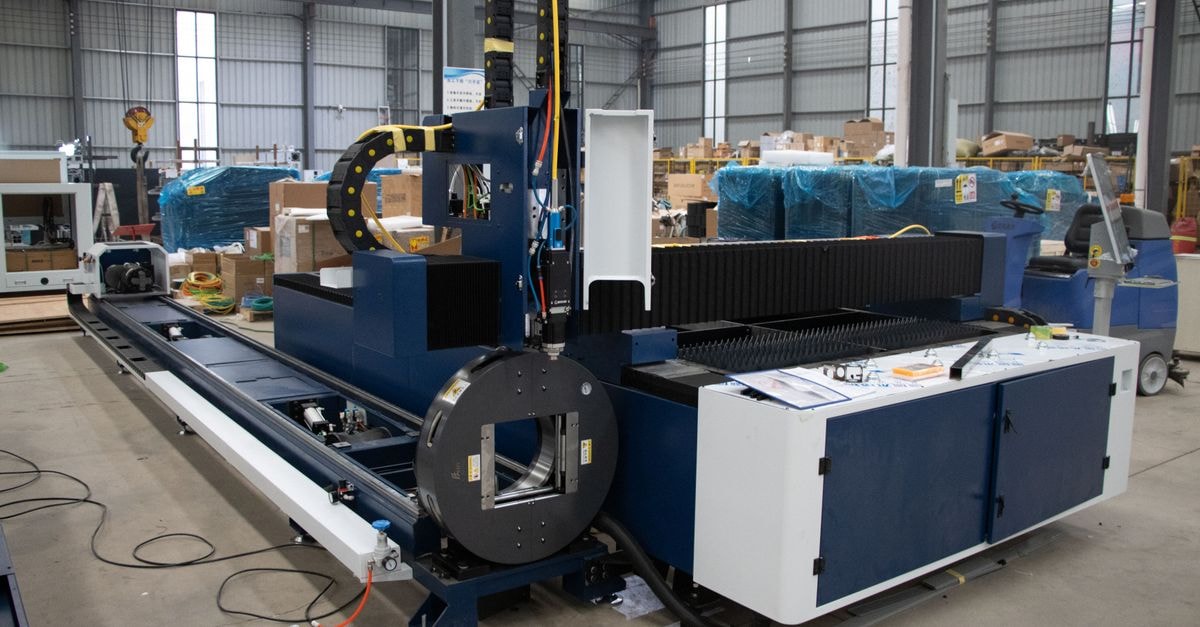
Reuters identified Shanghai Aishengna Electronic Technology Group, a relatively unknown state-owned company, as the entity leading China's mass production of domestically developed immersion deep-ultraviolet (DUV) lithography machines. Aishengna was established in August 2023 with registered capital of 7 billion yuan (about $1.0 billion), backed by Shanghai Electric Holding and a subsidiary of Shanghai International Trust, and has absorbed engineering teams from several leading Chinese lithography startups, including Yuliangsheng and Shanghai Micro Electronics Equipment (SMEE). The development was first reported by The Information on Monday; Reuters became the first outlet to name the manufacturer behind the programme.
Planned volumes and first customers
People familiar with the matter said about five of the new machines are expected to be produced this year, with roughly twenty planned for 2027. The Information, citing two people familiar with the matter, said the first units are due to be delivered this year to leading Chinese chipmakers including Semiconductor Manufacturing International Corp (SMIC), Hua Hong Semiconductor and memory-chip maker ChangXin Memory Technologies (CXMT). Yuliangsheng's scanner has reportedly been undergoing evaluation at SMIC since September 2025. Most components in the new systems are domestically sourced, though some critical parts still arrive from Japan, and supplier delays have constrained output this year.
Market reaction and ASML exposure
The reports prompted a sharp sell-off in semiconductor stocks across Asia. ASML's shares fell more than 7% on Monday, the stock's worst day since June 8, and at one point dropped as much as 8%. Other equipment makers also declined: BE Semiconductor Industries fell about 8.5%, Soitec about 5% and Infineon Technologies nearly 3%, while Applied Materials, Lam Research and KLA fell between 5% and 7% in sympathy. China remained a major source of ASML revenue, accounting for roughly 16% of the Dutch firm's net sales in the first half of 2026 and about 14% of net system revenue in the second quarter. ASML declined to comment on the report.
Strategic significance for Beijing's self-sufficiency drive
The development is framed as a symbolic victory for President Xi Jinping's push to make China self-sufficient in strategically important technologies, and a direct response to U.S.-led and Dutch export controls that have blocked Chinese chipmakers from buying ASML's most advanced extreme-ultraviolet (EUV) systems and certain advanced DUV tools. The Chinese-made DUV machines would give domestic chipmakers an alternative source of equipment if Western governments further restrict exports or servicing of foreign lithography tools. Industry experts caution that manufacturing a handful of machines is only the beginning and that turning them into reliable tools capable of supporting high-volume chip production remains a far greater challenge.
Technical limits and remaining uncertainty
Immersion DUV machines print circuit patterns onto silicon wafers using a thin layer of water between the projection lens and the wafer, and can be pushed to more advanced nodes through multiple patterning. They remain a generation behind ASML's EUV systems, which enjoy an undisputed monopoly in the most advanced chips used by firms such as Apple, Nvidia and Taiwan Semiconductor Manufacturing Co. People familiar with Aishengna's programme said the machine is expected to require further testing and remains far from matching ASML's competing models, so it poses no immediate commercial threat. China is also still working on a domestic EUV machine, which Reuters reported in December remains at the prototype stage and years from production.
Share this article