Chinese production milestone

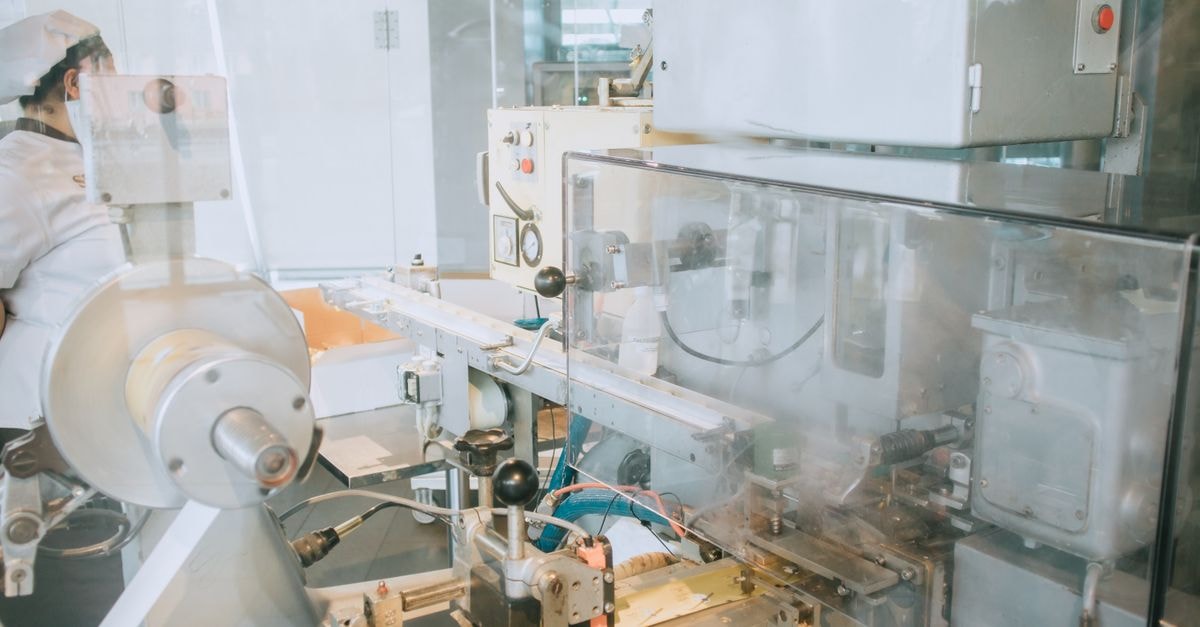
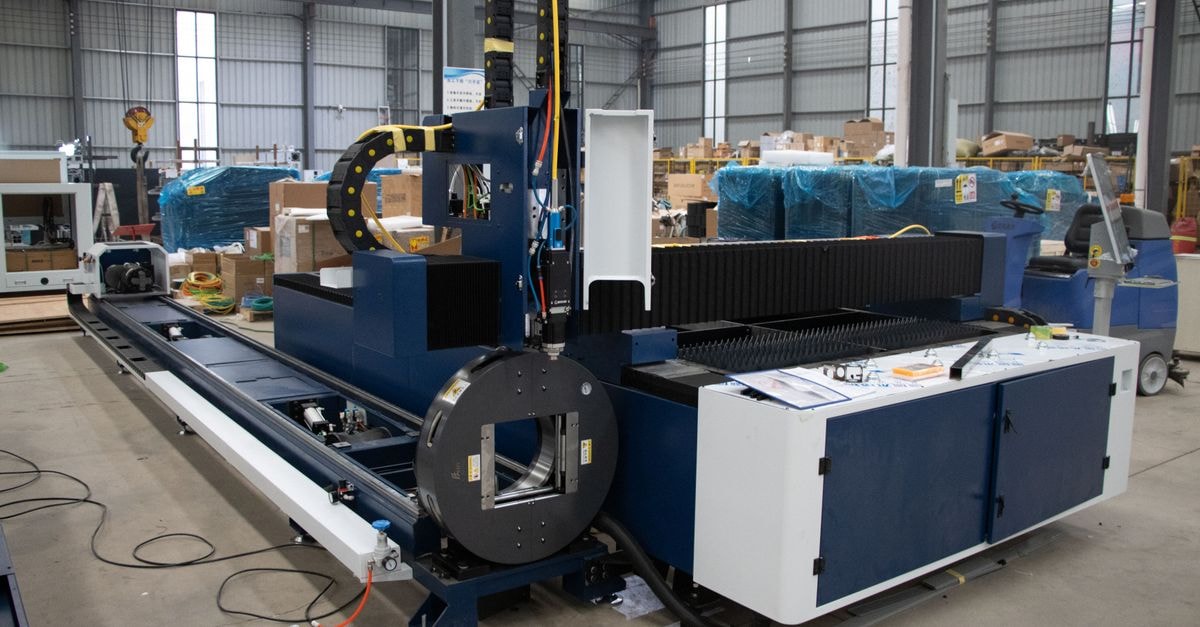
Reports published earlier this week identified Shanghai Aishengna Electronic Technology Group as the state-backed manufacturer that has begun mass-producing China's first homegrown immersion deep ultraviolet (DUV) lithography machines. Coverage from July 27 and July 28 indicated a target of roughly five units this year and about 20 more in 2027, with deliveries directed to leading Chinese chipmakers including Semiconductor Manufacturing International Corp (SMIC), Hua Hong Semiconductor, and ChangXin Memory Technologies (CXMT).
Aishengna was founded in August 2023 with registered capital of about 7 billion yuan (roughly US$1 billion) and is backed by Shanghai Electric Holding and a subsidiary of Shanghai International Trust. The firm has absorbed engineering teams from Shanghai Yuliangsheng, which began testing a DUV prototype last year, and from Shanghai Micro Electronics Equipment (SMEE). Yuliangsheng, founded in 2022 and jointly owned by SiCarrier and state-backed Chuangkewei (Shanghai) Technology, received SMEE's immersion DUV technologies and engineers during a 2025 restructuring while SMEE retained its extreme ultraviolet (EUV) lithography project. The Information initially withheld the manufacturer's identity due to the sensitivity of the matter; Reuters named Aishengna on July 28.
Technical gap with ASML
The Chinese system under development, comparable to SMEE's SSA800, is described by analysts as roughly equivalent to ASML's TWINSCAN NXT:1950i, a tool the Dutch company launched in 2008 for 28-nanometer chip production. Chinese commentators quoted in regional media say the platform still trails ASML's current DUV offerings by about four generations, with performance comparable to equipment from roughly 15 years ago. About 70% of the SSA800's components are made in China, but the system still requires imports of key parts including 193-nanometer excimer laser mirrors, Zeiss lenses, vacuum chambers, synchronization control software, and argon fluoride (ArF) immersion light sources, with some sourced from secondary markets. Chinese researchers have separately claimed progress toward a home-grown EUV lithography machine, a more significant shift that would still leave ASML as the sole supplier of commercial EUV systems for the foreseeable future.
Market reaction and ASML outlook
The market response was sharp. ASML shares fell more than 8% at one point on July 28 after the initial reporting, and the stock lost roughly 10% over two days, erasing more than 60 billion euros in market value. Other Western equipment suppliers including Applied Materials, Lam Research, and KLA also declined. China accounted for 33% of ASML's 2025 revenue, though ASML had expected that share to fall to about 20% in 2026 prior to the latest reports. ASML expects to ship about 130 DUV units in 2026 and is expanding capacity 30% in both 2027 and 2028 to reach roughly 220 units annually, reflecting demand from TSMC, Samsung, and SK Hynix driven by AI compute spending. Analysts argue that the volume gap makes any near-term displacement of ASML unlikely; the sell-off reflected a reassessment of long-term probability rather than proof of competition.
US policy response
The timing complicates Washington. The MATCH Act, introduced in April 2026 by senators Pete Ricketts, Andy Kim, Jim Risch, and Chuck Schumer, would prohibit sales of critical semiconductor manufacturing equipment, including immersion DUV lithography, to facilities in countries of concern. The bill specifically names fabs run by SMIC, Hua Hong, Huawei, CXMT, and YMTC for tighter restrictions on exports, servicing, and technical support. Analysts argue that a ban on imported DUV tools would lose force if China localizes production: a policy that once closed the door may instead only slow progress.
Remaining uncertainties
Several questions remain open. Aishengna's initial output is small by ASML's standards, and reliability and yield performance in early production will determine whether Chinese chipmakers are willing to qualify the domestic machines at scale, particularly given short supply of qualified alternatives. SMIC continues to use imported ASML NXT:1980i systems alongside multiple-patterning techniques to produce 7-nanometer chips for Huawei despite US sanctions. The longer-term competitive threat depends on whether Aishengna and its supply chain can iterate, whether the SSA800 program can transition from limited production to broader deployment, and whether Chinese researchers can advance toward commercial EUV production. Investors will watch the first deliveries to SMIC, Hua Hong, and CXMT in the coming quarters for signals on reliability and yield.
PLACES IN THIS STORY
Explore the destinations behind this report
China
Shanghai
Browse travel guides, places to stay, attractions and local food in Shanghai.
Explore Shanghai →Shanghai Travel Guide: Planning Tips, Costs and Things to DoShare this article