Consumer GPU pricing realigns after coordinated hikes

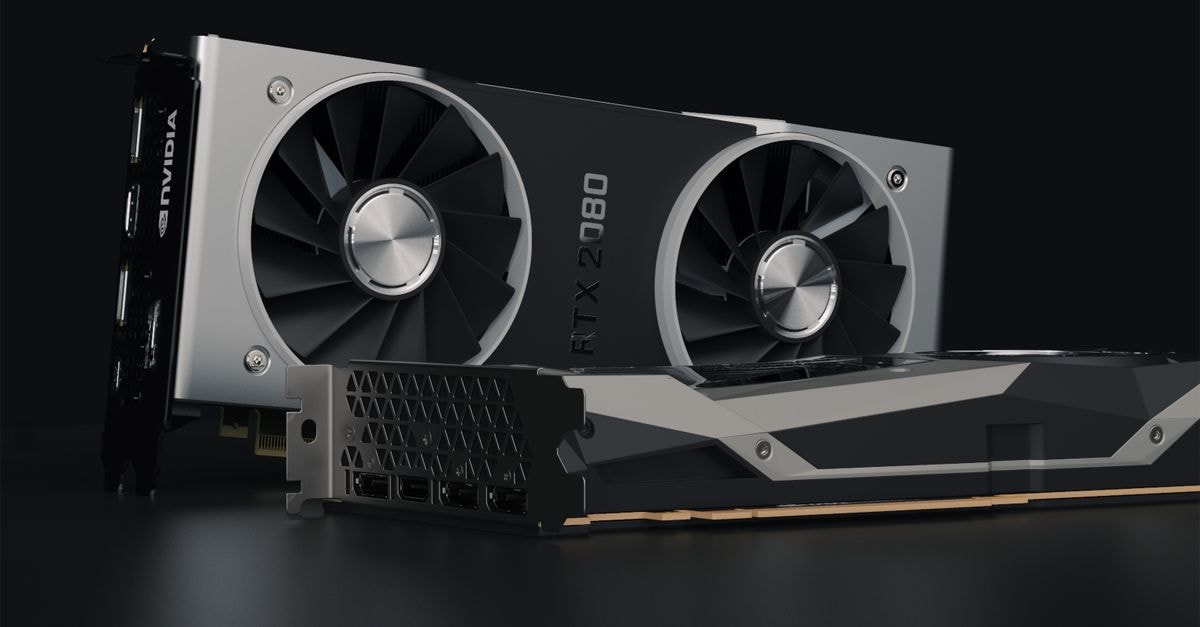
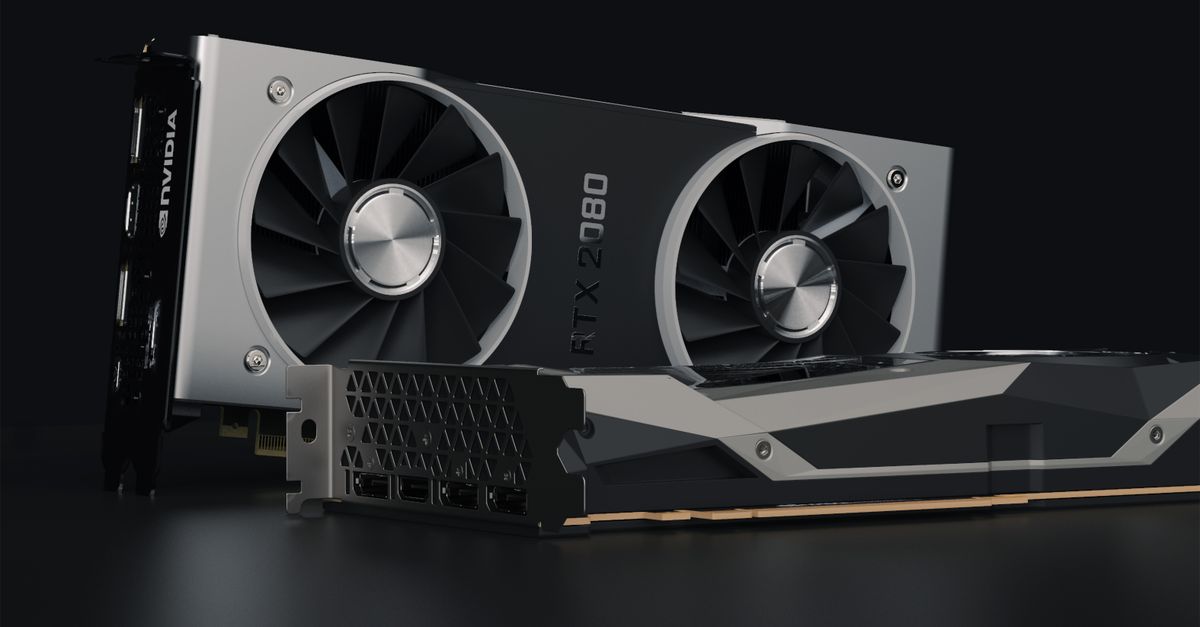
AMD formally notified its add-in board partners on July 31 that Radeon GPU and GDDR6 memory kit prices will rise by at least 10% starting in August, according to supply-chain reporting from Channel Gate cited by VideoCardz and independently confirmed by OC3D, Tweaktown, and The FPS Review. The August move is AMD's second price increase of 2026, following a roughly 10% bump in July, and is part of a 10–15% planned hike AMD flagged for the second half of the year. The reporting says AMD deliberately delayed deploying the increase because of weak consumer demand and channel inventory, and chose to act only after Nvidia moved first. Nvidia had formally notified its AIB partners in late July of sweeping kit price increases covering both GDDR7-based Blackwell RTX 50 cards and older GeForce products using GDDR6. Once Nvidia moved, AMD followed within days, and the source expects Radeon and GeForce retail pricing to converge as the August changes flow through the channel.
Duopoly widens as Intel exits consumer discrete GPUs
The coordinated hikes reflect a market in which both vendors draw from the same constrained GDDR memory supply controlled by Samsung, SK Hynix, and Micron. That concentration sharpened in April 2026 when Intel canceled its Xe3P Celestial gaming GPU architecture and redirected the Arc lineup to professional AI applications, leaving the December 2024 Arc B580 as its last consumer gaming GPU; The FPS Review noted in its July 31 coverage that next-generation Xe4 "Druid" is not expected before 2028. AMD and Nvidia now operate in a de facto GPU duopoly supplied by a DRAM oligopoly, with no near-term competitive discipline from either direction. Console alternatives have tracked the same memory-cost trajectory: Microsoft's third Xbox price increase in 15 months brought the Series X to $799.99 and the Series S to $499.99, with Nintendo set to move Switch 2 from $449.99 to $499.99 on September 1. Microsoft said it is now paying "two and a half times more for memory than it was late last year" and expects costs to double again by fall 2027, while industry reporting cited in the coverage suggests Microsoft is still losing roughly $150 per Xbox Series X sold even at the new price.
Nvidia details Vera CPU in standalone push at Intel and AMD
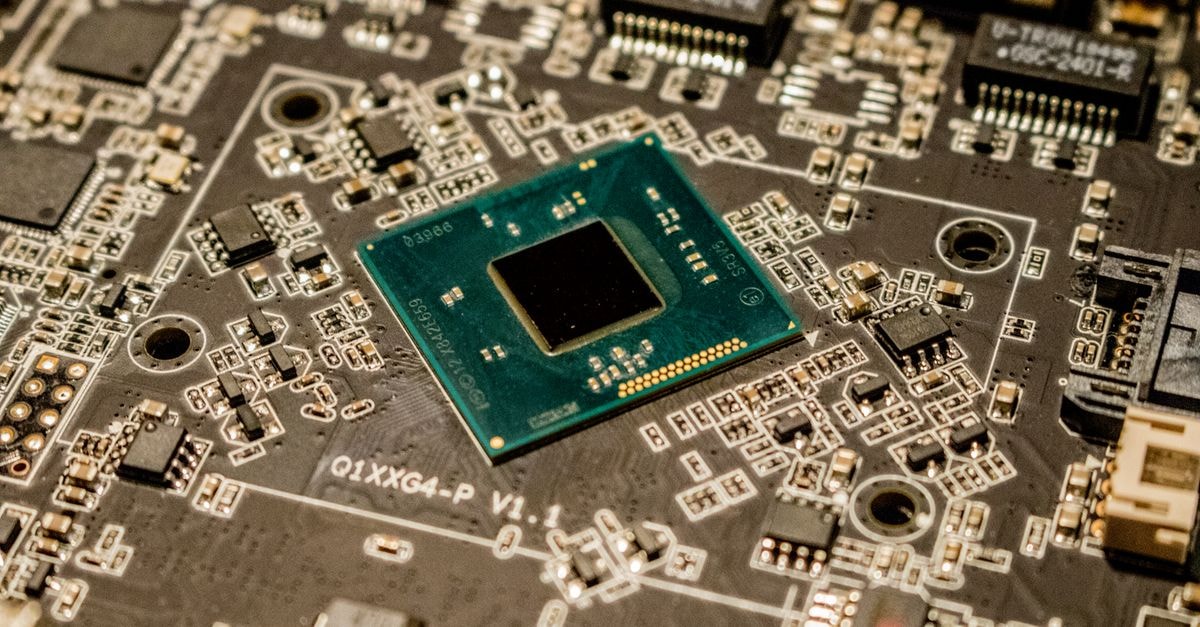
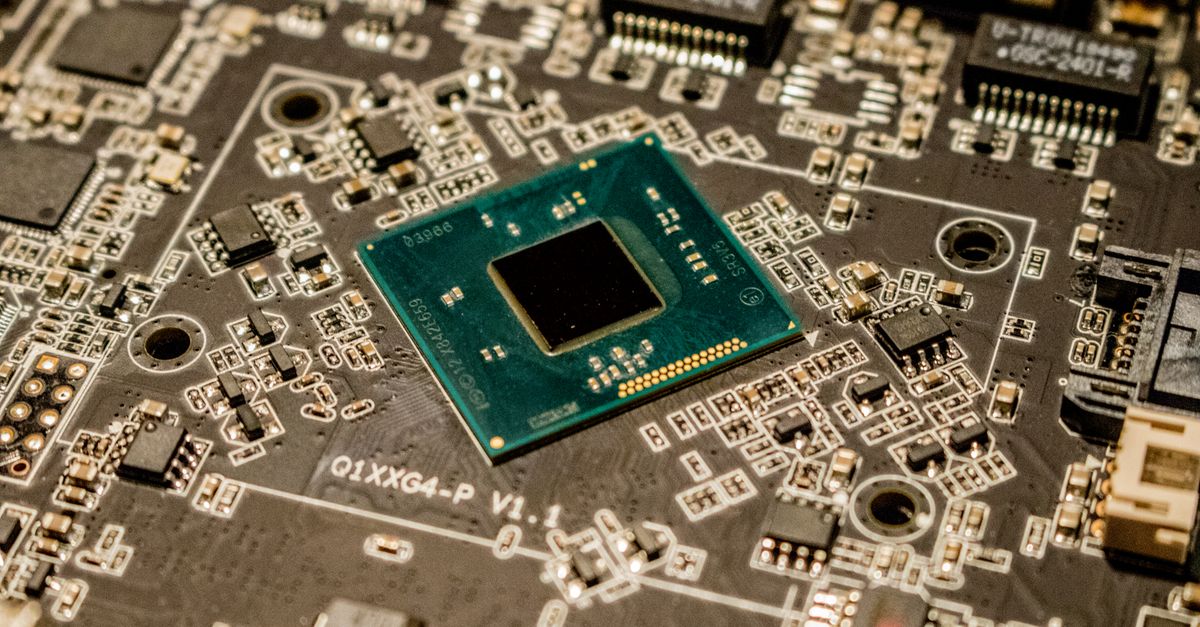
In a whitepaper released in late July, Nvidia laid out Vera, its first fully custom CPU aimed at hyperscalers and cloud providers. Vera features 88 custom Armv9.2 cores, 176 threads, support for up to 1.5 TB of LPDDR5X memory, and is available as a standalone platform independent of Nvidia's GPUs. The Vera Superchip pairs two CPUs over NVLink-C2C at 1.8 TB/s of bidirectional bandwidth for 176 cores and 352 threads. Built around Nvidia's Olympus core, Vera uses a custom neural branch predictor capable of exploring two branches simultaneously and implements spatial multithreading that splits a core into two narrower threads sharing a cache line. The chip supports up to 1.2 TB/s of memory bandwidth via eight LPDDR5x controllers with SOCAMM2 modules at 9600 MT/s, and is among the first to support PCIe 6.4 and CXL 3.1. Nvidia is positioning Vera both as the AI head node for upcoming Vera Rubin GPU systems and as a host for AI agents that don't run on GPUs.
Assam commissions first state-owned GPU cluster
India's Assam state government has launched its first government-owned GPU cluster, an NVIDIA L40S 8-node installation that landed in the state data center roughly two weeks before the announcement, according to statements from Chief Minister Himanta Biswa Sarma and Principal Secretary for IT K.S. Gopinath Narayan. The cluster runs open-source models covering what officials described as two critical AI applications and a third that leverages AI capability, with officials framing the buildout as sovereign compute designed to let government staff query office files, notings, and notifications through an in-house AI assistant that retrieves answers from a source-traced corpus. Sarma cast the launch as the first step toward an "AI-First Assam," while Gopinath Narayan said the cluster is only the beginning of a longer state programme.
NVIDIA Video Codec SDK 13.1 targets AI video pipelines
NVIDIA released Video Codec SDK 13.1 on July 31, adding AV1 hierarchical reference mode with up to 31 B-frames, zero-copy transcoding via shared GPU memory, and frame-accurate seek. Early tests using NVENC showed up to 5% compression efficiency gains in natural content versus prior tuning modes, and NVIDIA said it plans to extend support to H.264 and HEVC in future driver updates. The zero-copy path lets NVDEC and NVENC operate directly on shared CUDA arrays, reducing GPU memory usage and improving throughput for concurrent workloads. The release lands alongside broader AI infrastructure activity reported in the same coverage: a $500 billion partnership with SK Group for AI data centers and memory systems, and a reportedly $250 billion OpenAI data center initiative that NVIDIA plans to back. NVIDIA (NASDAQ: NVDA) closed at $195.86 on July 31 with a market capitalization near $4.78 trillion, according to the same report.
Follow-up signals
Key near-term checkpoints include the September 1 Nintendo Switch 2 retail price move to $499.99 and Microsoft's warned second memory-cost doubling by fall 2027, alongside the gradual channel pass-through of the August AMD and Nvidia kit increases into Radeon and GeForce retail pricing. Nvidia's Vera CPU and Video Codec SDK 13.1 are both available to developers now, with the company signaling H.264 and HEVC support in a later driver update.
Share this article