Record quarterly results anchored by semiconductor surge

Samsung Electronics reported consolidated second-quarter sales of 171.4995 trillion won and operating profit of 89.4924 trillion won in a July 30 regulatory filing, its highest quarterly figures on record. Sales rose 28% quarter-on-quarter and operating profit climbed 56%, while operating profit increased roughly 19-fold from 4.68 trillion won a year earlier. The semiconductor-focused Device Solutions division led the result with sales of about 127.5 trillion won and operating profit of 89.2 trillion won (around $61.7 billion), up more than 250-fold year-on-year—exceeding Samsung's combined earnings from the prior three years. The company attributed the memory surge to record DRAM and NAND volumes tied to server demand from the spread of agentic AI.
HBM roadmap and customer base
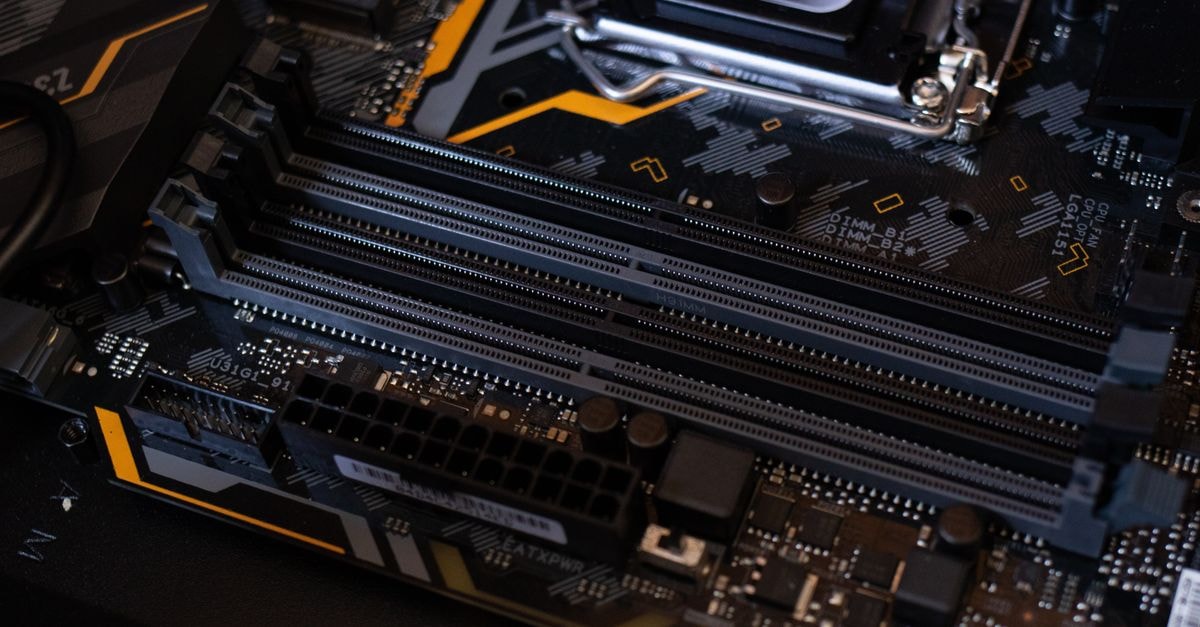
Samsung said it expanded differentiated High Bandwidth Memory (HBM)4 supply and became the first chipmaker to ship HBM4E samples. HBM4 revenue is expected to more than triple in the third quarter, with Samsung aiming to bring its HBM market share in line with its overall DRAM share during the second half. Nvidia and Advanced Micro Devices are among its HBM customers. The System LSI business posted record first-half sales on higher mobile system-on-chip and sensor shipments, and the foundry division improved on stronger demand for HBM base dies and orders from North American customers.
Long-term supply deals and chip-shortage outlook
Memory executive vice president Jaejune Kim told analysts on a July 30 earnings call that supply shortages are expected to worsen in 2027 and persist into 2028, a stance framed against investor concerns that AI infrastructure spending could decelerate. Samsung has signed long-term supply agreements with the top five global data center firms and is nearing deals with five other large customers. The contracts run at least five years and are expected to cover 60% to 70% of Samsung's longer-term capacity, incorporating upfront payments and floor pricing designed to hedge capital investment risk.
Foundry recovery and U.S. capacity build-out
Samsung said its foundry business, which competes with TSMC and Intel, is expected to turn around "in the near future" as factory utilization and chip prices rise. Its Taylor, Texas fabrication plant remains on track to start operations this year, and the company plans to break ground on a second fab that could reach mass production in 2030. In the second half of 2026, Samsung also plans to begin mass production of its second-generation 2-nanometer mobile process to chase orders from AI and high-performance computing customers.
Mobile weakness, R&D push and market context
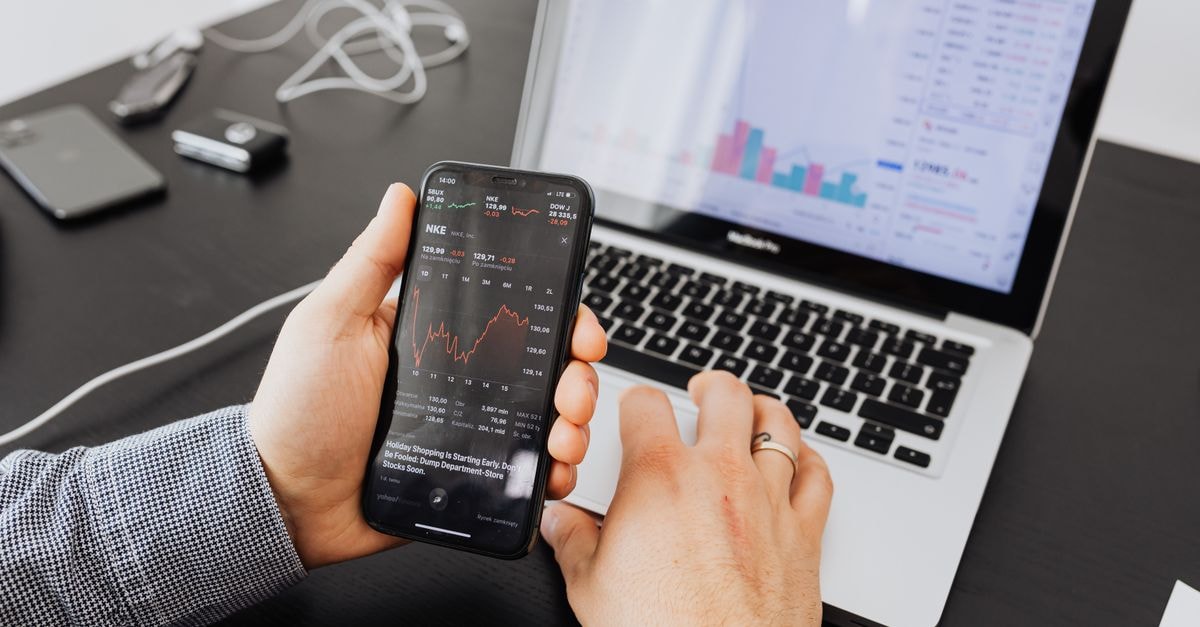
Outside of chips, the Device eXperience division posted sales of 48 trillion won but an operating loss of 800 billion won, including a 700 billion won loss at the MX (Mobile) business—Samsung's first quarterly loss in that segment. Galaxy S26 series and A series drove higher MX sales, but profitability suffered from rising costs. The Visual Display business improved on major sports events and new product launches, while home appliance sales rose on peak air-conditioner demand even as profit fell. Samsung invested a record 16 trillion won in first-half research and development. CFO Park Soon-cheol said the company is not considering issuing American depositary receipts following rival SK Hynix's U.S. listing, citing stable cash generation across its diversified portfolio. SK Hynix separately reported strong quarterly results the day before and outlined plans to raise 2026 capital spending by around 50%. Shares in Samsung rose as much as 8% in Seoul before paring gains to trade down 1.1%.
Share this article