Neocloud buyers approach AMD and Nvidia at parity

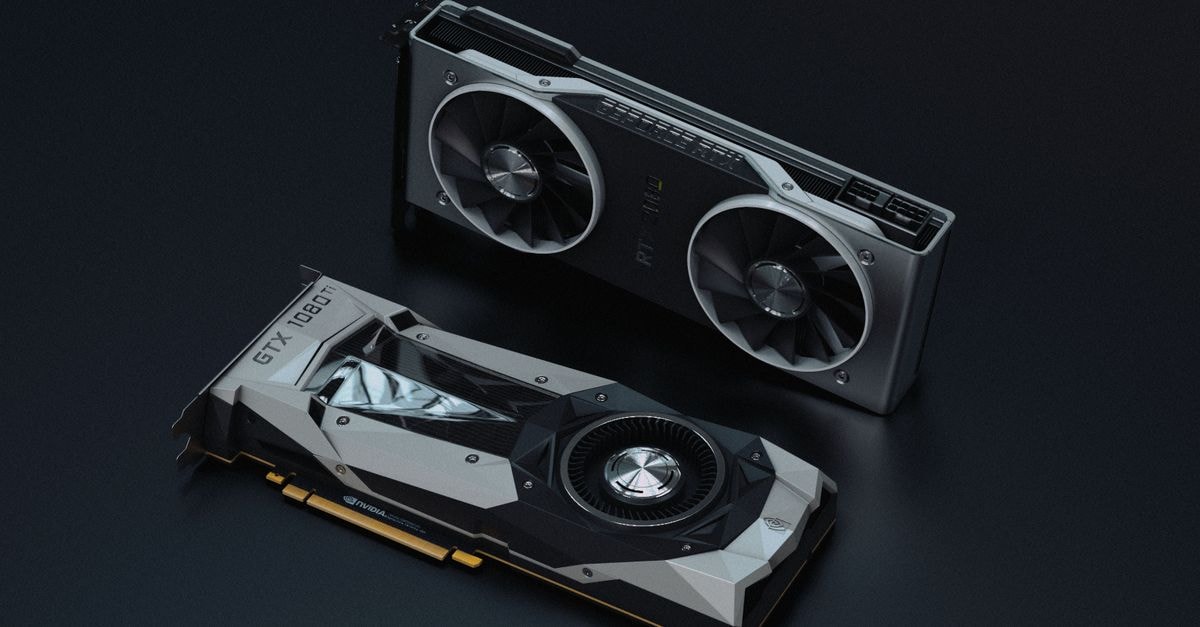
VAST Data vice president of global technology alliances John Mao said on Aug. 3 that many neocloud operators are now splitting GPU orders between AMD and Nvidia at rough parity, citing a price advantage for AMD even though performance still favors Nvidia. Speaking at the AMD Advancing AI 2026 event, Mao told Fierce Network that at least two providers are deploying 10,000 GPUs from each vendor side by side. He added that the gap between GPU demand and supply has widened over the past 12 months rather than narrowed, with both vendors reporting long lead times for their accelerators.
AMD's data center business backs up the demand shift
AMD reported $5.8 billion in data center revenue for the first quarter, up 57% year over year, and projected second-quarter EPYC CPU sales up 70% and Instinct GPU sales up 46%. Nvidia remains the larger player: Silicon Analysts estimates put its share of 2026 AI accelerator revenue at roughly three-quarters, down from a peak near 87% in 2024. VAST, which sells the software that feeds data to those GPUs, expanded its AMD partnership last month with a go-to-market deal to sell to buyers of both vendors, building on years of using AMD silicon. The company also selected 6th Gen AMD EPYC processors for the sixth generation of its CBox platform, citing doubled I/O bandwidth via PCIe Gen 6 and lower latency for its database and event-streaming services.
Naver pins AI factory plan to Nvidia GPUs and Brookfield financing
Naver disclosed on Aug. 3 the operating structure for its planned AI factory, confirming that Nvidia will supply GPUs while Brookfield Asset Management would finance infrastructure through a special purpose vehicle. A Naver subsidiary will run the AI computing business, using computing resources from the Brookfield-formed SPV and paying fees based on usage rather than buying the hardware outright. Nvidia is pursuing a roughly $1 billion equity investment in Naver through a third-party allotted paid-in capital increase, a stake Naver said is intended to secure a stable supply of advanced GPUs and stabilize pricing. Naver is also considering acquiring a minority stake in the SPV; it plans to designate Brookfield as an exclusive preferred bidder for 12 weeks while negotiating a formal contract. The $9 billion figure cited in the disclosure represents the proposed scale of computing infrastructure to be assembled by Brookfield, not Naver's direct investment.
Phase-one capacity and the broader neocloud market
The Naver project begins with a 200-megawatt first phase running through 2028, part of a previously announced plan to build a 1-gigawatt-class AI factory. VAST's Mao tied the rise of neocloud demand to broader market expansion, noting that neocloud revenue topped $25 billion in 2025 and that Synergy Research Group expects the segment to approach $400 billion by 2031, with McKinsey already counting more than 100 players. Telcos, hyperscalers and private equity firms are chasing that business, and AMD's internal projections put the CPU-to-GPU ratio on a path toward 1-to-1, down from earlier estimates near 4-to-1, reflecting the orchestration and tool-calling needs of agentic AI workloads.
Other developments
Separately, Tom's Hardware reported on Aug. 3 that TinyGPU v2.0, billed as the world's smallest GPU silicon, passed real-world testing by rendering 3D graphics at up to 15 frames per second using roughly 240,000 transistors. The project's creator said TinyGPU v3.0, which adds a programmable pixel shader, has been tested on FPGA and submitted to the TinyTapeout May shuttle with about 290,000 transistors, with a December 2026 release targeted.
PLACES IN THIS STORY
Explore the destinations behind this report
Croatia
Split
Browse travel guides, places to stay, attractions and local food in Split.
Explore Split →Living Inside a Palace: A Slow Travel Guide to Split, CroatiaShare this article