A gentle welcome along the Niger
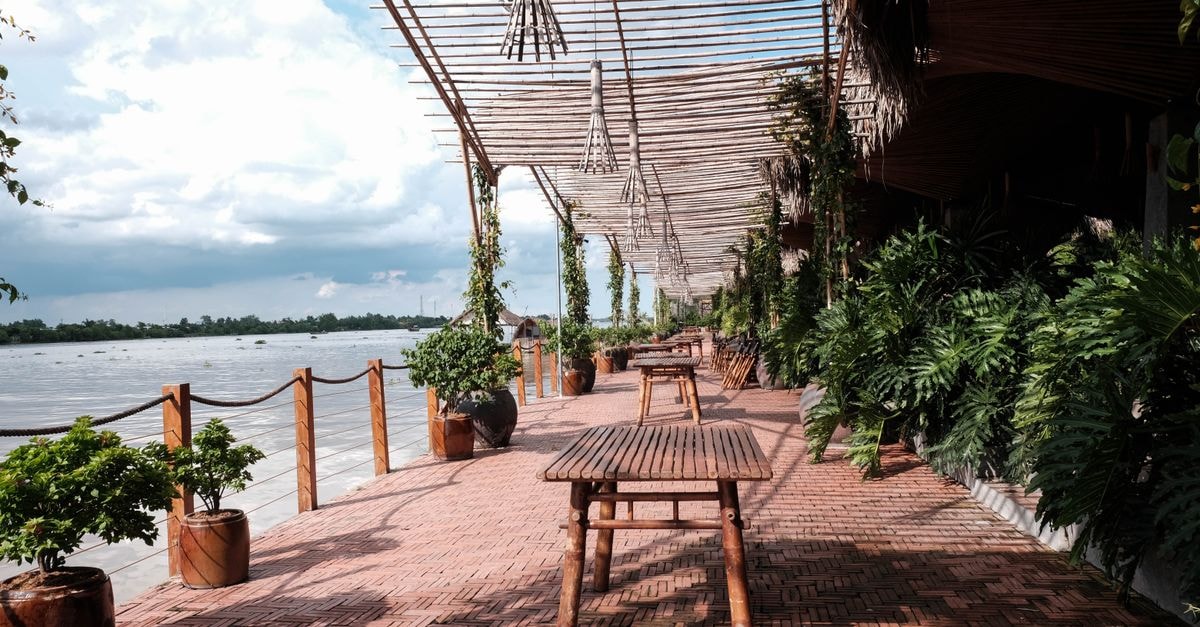
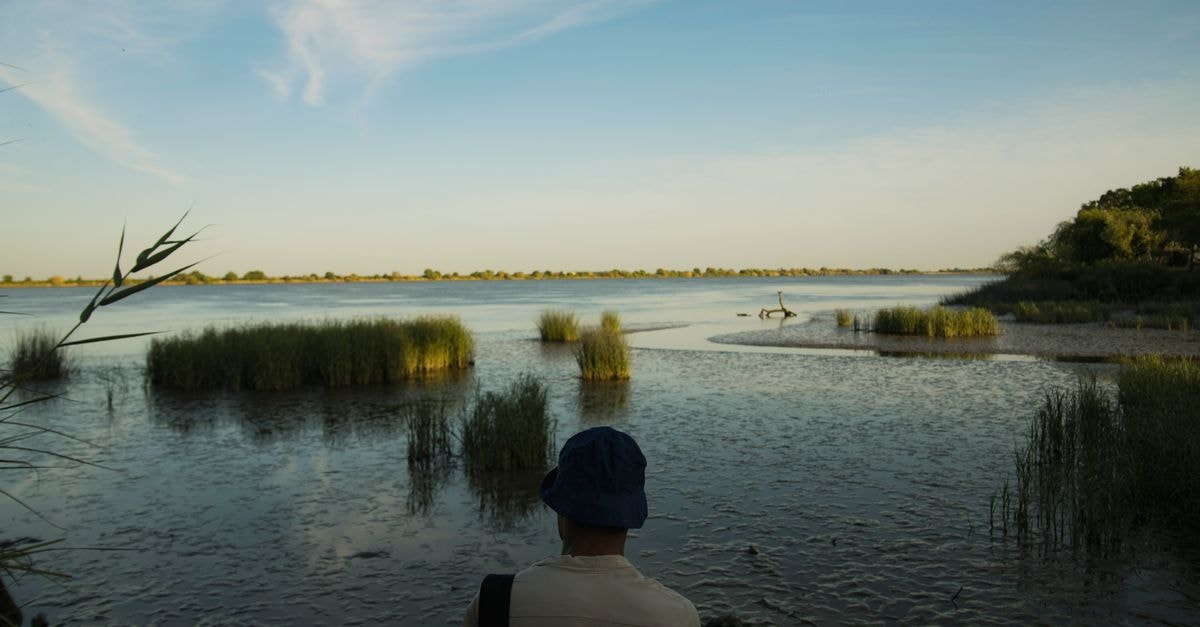
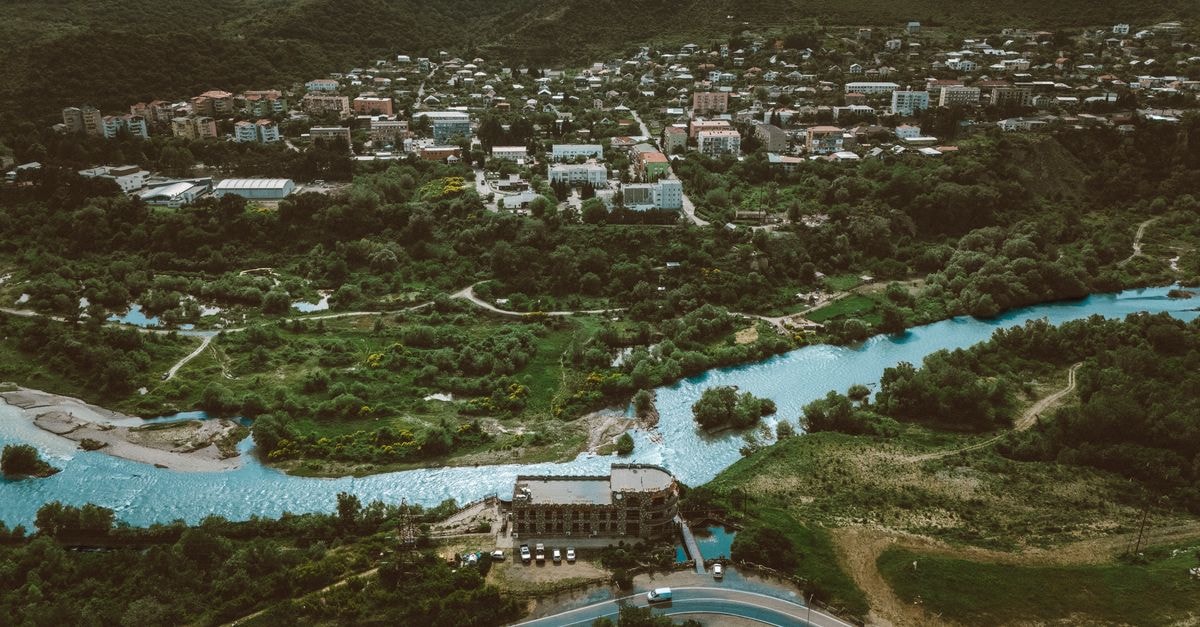
There's something quietly appealing about Asaba. Sitting on the eastern bank of the Niger River in Delta State, the capital feels less like a checklist destination and more like a place to settle into for a few unhurried days. The pace is famously relaxed, the river is always close by, and conversations tend to happen outdoors, over food and tea, rather than between meetings. If your travel style leans toward discovering a Nigerian city through its everyday rhythms rather than its headline sights, this guide offers a starting point.
Asaba is a working state capital, not a resort town, so the rewards here are gentle: leafy public spaces, a growing waterfront vision, and the kind of warm hospitality that makes even a short stop feel intentional. Pack light, keep your plans flexible, and let the city set the tempo.
Weather and seasonal context
Asaba has a tropical feel year-round, with warm temperatures and humidity that can catch first-time visitors off guard. According to long-term climate scoring for the city, the best window for hot-weather activities runs from late November to late January, which suggests that the surrounding months tend to feel more comfortable for time spent outdoors. For everyone else, the climate is simply part of the experience: light fabrics, plenty of water, and shaded breaks are sensible companions whenever you are out sightseeing. Travel scores for the city are typically built around temperature, cloud cover, and precipitation, so expect the kind of weather where a slow lunch and a longer evening stroll often beat a packed agenda.
If you prefer to pace the day around the heat, consider exploring in the cooler mornings, taking a long midday rest, and saving outdoor time for late afternoon. Travelers who dislike heavy humidity may want to time outdoor visits to the gentler hours, and to favor riverside and garden stops where shade and breeze tend to make the warmth more pleasant.
Getting around
The city's airport has flights connecting to Lagos, Abuja, and Port Harcourt. The airport sits roughly 10 km from the city centre, which is a manageable transfer whether you have arranged a car in advance or are meeting a hotel driver on arrival.
From the airport, the simplest plan is to confirm onward transfers before you land, especially if you are arriving later in the day. Within the city, the relaxed scale of the capital means most daily movements are short, and the riverfront, gardens, and central areas tend to cluster within easy reach of one another. Travelers who prefer to keep logistics simple may appreciate basing themselves centrally and relying on arranged transport rather than navigating on their own, particularly in the first day or two.
Attractions and planning
When it comes to things to do in Asaba, two names tend to come up in city coverage. Nelson Mandela Gardens is described as the most complete and visitor-ready spot in Asaba at the time of writing, offering a green, walkable space that suits a slow wander. The gardens work well as a meeting point, a photography stop, or a place to pause for an hour between other plans.
The second name is The Asaba Waterfront City, which the same coverage flags as the most exciting development to watch. As a longer-term project rather than a finished attraction, it is worth keeping on your radar even if your visit does not center on it; the riverside ambition behind the project speaks to how Asaba sees its relationship with the Niger. Travelers who enjoy seeing a place in transition, and who like the idea of a future-facing waterfront, may want to ask locally what is currently open to visitors before building it into a day's plan.
Beyond those two anchors, the pleasure of Asaba is in its unhurried streetscapes and the rhythm of daily life along the river. A morning garden visit, an evening by the water, and a slow meal in between make for a satisfying day without needing a packed schedule.
Food and local context
Food in Asaba is woven into social life. The city is associated with a relaxed lifestyle that shows up at the table, where meals are as much about company as cuisine. Visitors should be ready for one of the more charming local customs, in which food is often shared among family and friends, and it is not uncommon for people to eat together from the same plate. If you are dining with locals, joining in with that rhythm is part of the welcome.
Wider Nigerian food culture may also surface on your plate during a visit, with shared dishes and generous hospitality reflecting how many households approach mealtime. Visitors who appreciate sociable eating will likely enjoy leaning into the communal style, while travelers who prefer individual plating can quietly request their own portion without any awkwardness. Either way, eating well here tends to mean eating slowly, with conversation, and with the kind of attention that turns a simple meal into a memory of the trip.
Choosing what fits your trip
Asaba rewards travelers who enjoy a slower rhythm. If your idea of a great getaway is long conversations, garden afternoons, and meals shared with new friends, the city will feel like a natural fit. If you prefer nonstop sightseeing or a dense urban itinerary, you may want to pair Asaba with a larger Nigerian city or build in extra time elsewhere in Delta State to balance the pace. Think of Asaba as a place to breathe, not to rush.
A note before you go
Travel conditions can change, and details such as transport schedules, opening arrangements, and on-the-ground services are worth checking through official channels and your accommodation shortly before departure. Use this guide as a starting frame, then confirm the specifics that matter most to your trip.
Verification question: Before planning a visit to the waterfront project, ask your hotel or a local contact what sections are currently accessible to visitors.
Share this article
TOOLS FOR THIS PLAN
Make the Asaba plan measurable
Choose a tool only when it answers the next question in your trip. Your values stay in the browser, and each tool offers a route back to this planning context.