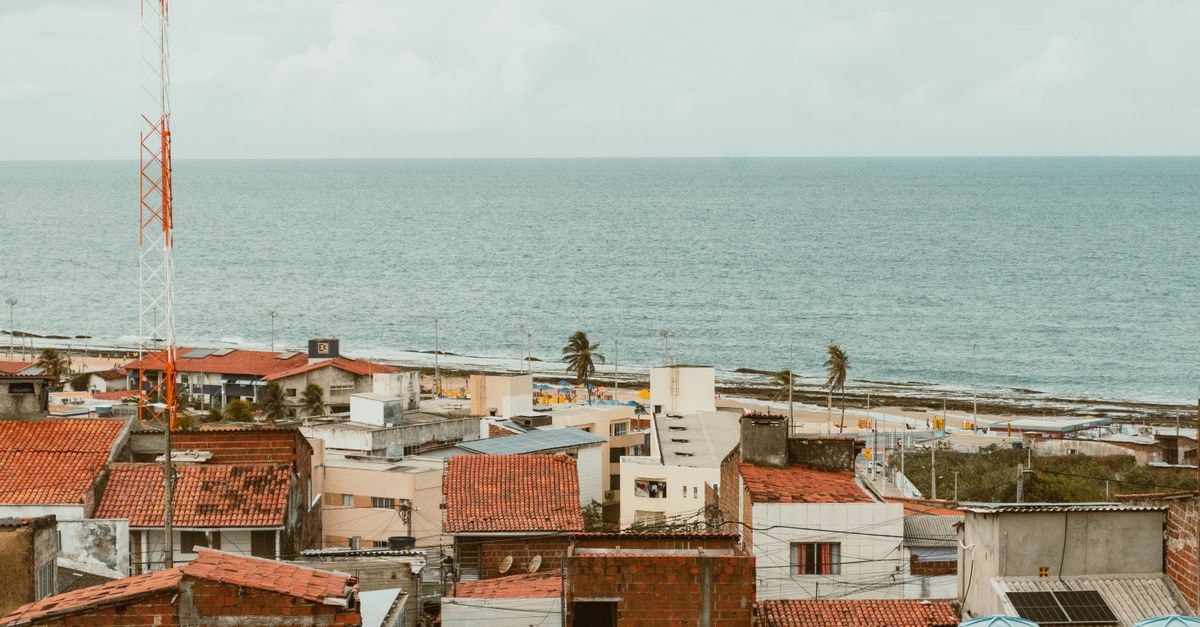
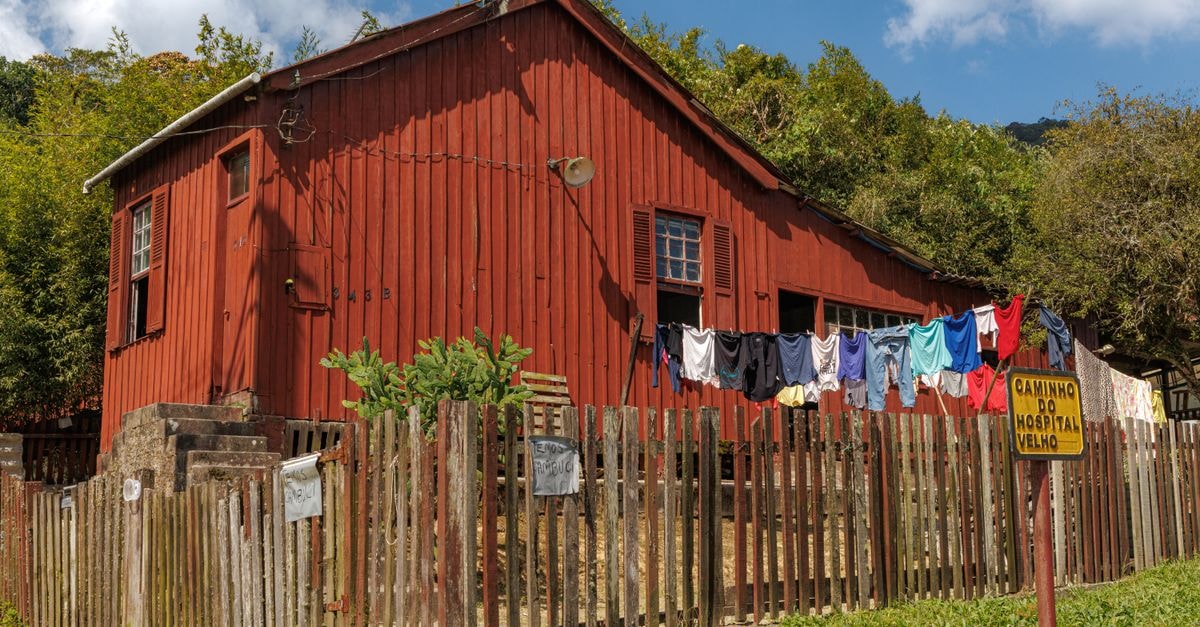
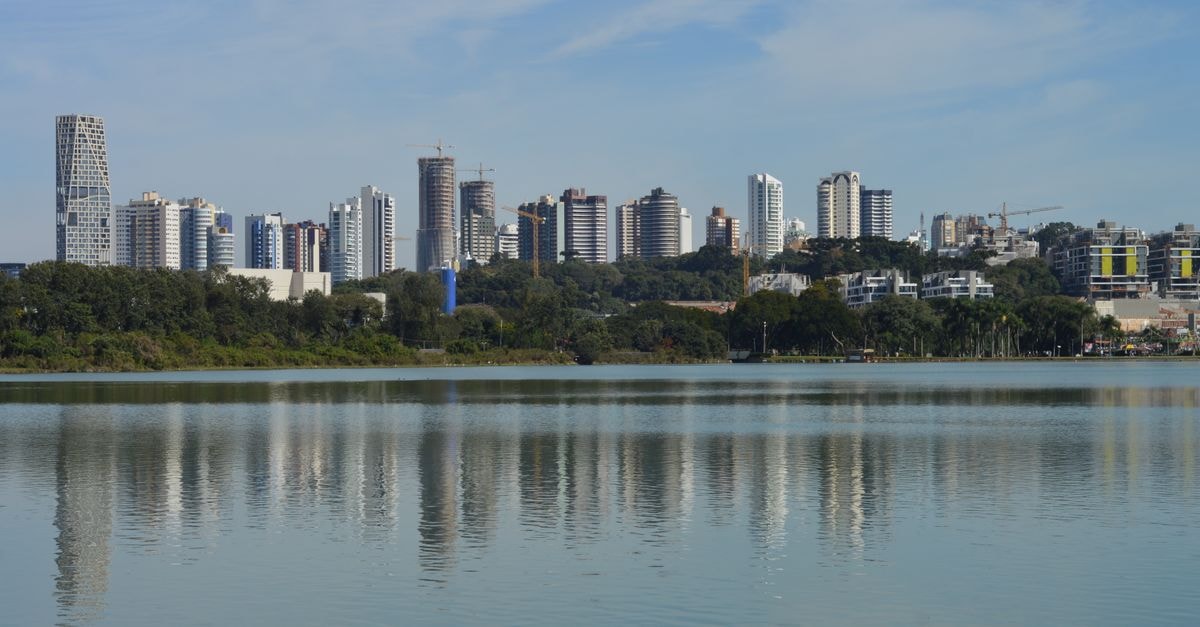
Garanhuns invites travelers who enjoy scenic towns, well-tended gardens, and a gentler pace to linger rather than rush. Often described as the “Suíça Pernambucana,” the city pairs a notably cooler atmosphere with the relaxed character associated with Brazil’s Northeast. Its historic mansions, flower-filled parks, and elevated views over the Agreste pernambucano give the visit a strong sense of place.
This is an evergreen guide focused on what is known about the city: its distinctive weather context, the atmosphere and sights that shape exploring Garanhuns, and the broader Brazilian food traditions visitors may encounter. It is especially useful for readers who prefer garden views, unhurried wandering, and practical context without a tightly prescribed itinerary.
A Cooler Character in the Agreste
Garanhuns is known as the “Suíça Pernambucana,” a name associated with its cooler atmosphere and sense of tranquility in northeastern Brazil. The city also has an inviting character that may suit travelers looking to slow down and spend time in a landscaped setting.
That cooler character does not require a specific month to be understood. It is part of the city’s identity, and it can make outdoor time feel different from the warmer experience commonly associated with northeastern Brazil. If you prefer sightseeing in a fresh, temperate-looking environment, that is one of Garanhuns’s clearest draws.
The city’s best-known seasonal event is the Festival de Inverno de Garanhuns, also known as FIG, which takes place every July and reaches the height of the winter season. Because this guide avoids tying the visit to a particular month, treat the festival as a notable part of the city’s cultural identity rather than an activity to expect on every trip. Anyone planning specifically around it should verify the current event information before making travel arrangements.
Exploring a Landscape of Gardens and Historic Charm
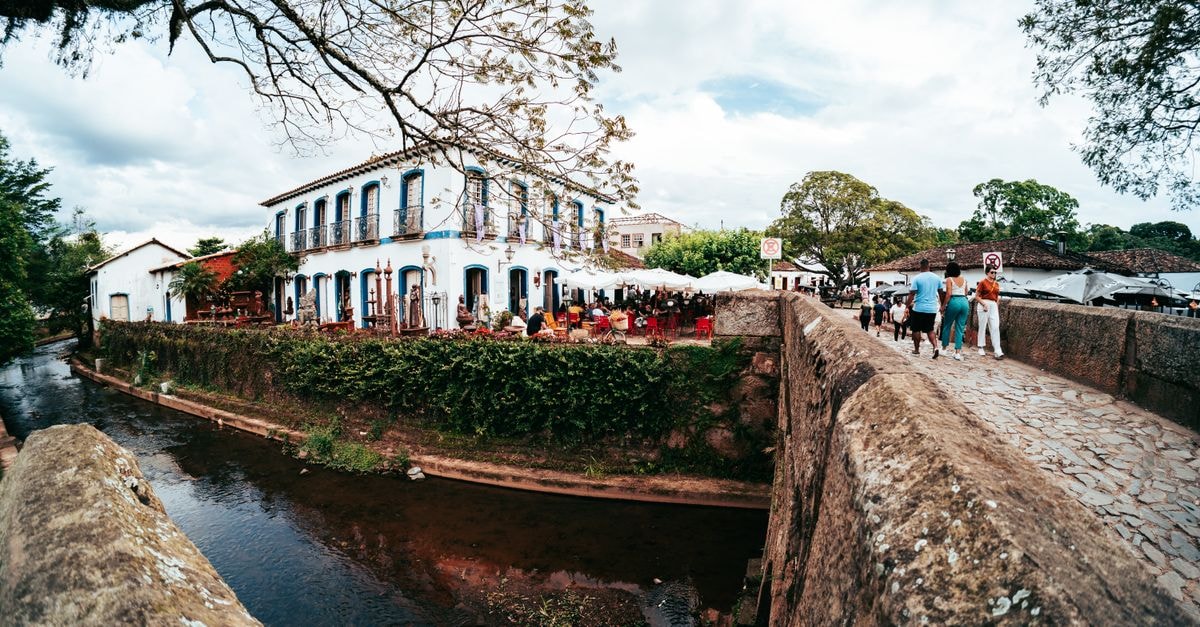
The character of Garanhuns is visible in three closely connected ways: flower-rich parks, historic mansions, and mirantes overlooking the Agreste pernambucano. Together, they create a compact visual theme for anyone interested in architecture, gardens, and scenic viewpoints.
The parks are noted for their flowers and careful landscaping. Rather than treating them simply as stops between larger attractions, they can anchor a relaxed visit: this may suit readers whose ideal travel pattern is spending unhurried time in green spaces, observing seasonal planting, and moving between a few beautifully kept corners of the city. That is a preference-based way to approach the supported sights, not a claim about access or visitor facilities.
Historic casarões add another layer to the visit. Their presence gives the city a sense of charm and history that complements the gardens. Mirantes, meanwhile, offer the clearest scenic perspective, with views across the surrounding Agreste. If panoramic city-and-country views matter more to you than museums or a packed schedule of events, these lookout points are likely to be the most satisfying part of exploring Garanhuns.
The combination can encourage a simple rhythm: begin with a park, continue through the historic streets, and finish at a mirante. That is not a prescribed route or guaranteed timetable; it is an editorial suggestion for travelers who prefer depth over a long list of unrelated stops.
Getting Around and Choosing a Base
Garanhuns is presented as a destination with a cooler climate, flowered parks, and an inviting atmosphere. The city also has historic charm, mansions, and mirantes with views over the Agreste, making it suitable for visitors who want scenic variety within a relatively relaxed setting.
Practical transport details are not included in the available destination evidence. There are no confirmed intercity schedules, local bus timetables, fares, or route descriptions here, so avoid assuming how long a transfer takes or whether a particular service runs on a given day. If getting around Garanhuns is central to your trip, check the current options with official or directly operating providers before departure and plan the connection with that information in hand.
For a reader who values fewer logistical commitments, consider choosing accommodation according to the part of the city experience that matters most: proximity to the landscaped areas, the historic center, or the mirantes. The evidence supports the existence and character of these attractions, but it does not establish particular neighborhoods, accessibility conditions, parking arrangements, or the location of individual hotels. Those details require direct verification rather than assumption.
Brazilian Food Through a Wider Cultural Lens
The strongest approved food context for Garanhuns is national rather than city-specific. Across Brazil, culinary tastes reflect a lively blend of tradition and innovation. Visitors to Garanhuns may encounter that wider Brazilian food culture during their time in the city, although the available evidence does not identify a particular restaurant, market, dish, or menu associated with Garanhuns itself.
One well-known example in Brazil’s broader culinary landscape is moqueca de camarão, or shrimp moqueca, which is particularly associated with Bahian cuisine and is popular in Brazil. It is useful as cultural context when thinking about the country’s regional food traditions, but it should not be presented as a local Garanhuns specialty. Likewise, the city evidence does not support naming particular dining establishments, prices, opening hours, or signature dishes.
If you are interested in food as part of the journey, let Garanhuns be a place to explore the wider Brazilian table while keeping local claims properly bounded. Confirm restaurants and dishes directly with the venue or current local sources. Travelers with strong allergies, dietary requirements, or other specific needs should also ask about ingredients and preparation before ordering.
A Calm Trip Without the Winter-Festival Focus
Garanhuns may suit travelers who prefer cooler surroundings, flowered parks, historic character, and scenic mirantes rather than a city-centered itinerary packed with major events. The city’s “Suíça Pernambucana” identity and its famously associated winter festival make it distinctive, but the landscaped parks and elevated views are useful reasons to visit beyond festival time.
Choose a mirante-focused day if expansive views are your priority, and give the parks more time if carefully tended spaces are what you enjoy. If winter festival culture is the reason for your journey, the annual July event becomes the central focus instead; verify its current arrangements separately. Food explorers can use the broader Brazilian culinary context as a starting point, while avoiding assumptions that any nationally known dish is a Garanhuns specialty.
Travel conditions, transport services, event arrangements, and venue details can change. Check official channels and current provider information before departure, especially if your plans depend on a festival, a specific route, or dining availability.
Share this article
TOOLS FOR THIS PLAN
Make the Garanhuns plan measurable
Choose a tool only when it answers the next question in your trip. Your values stay in the browser, and each tool offers a route back to this planning context.