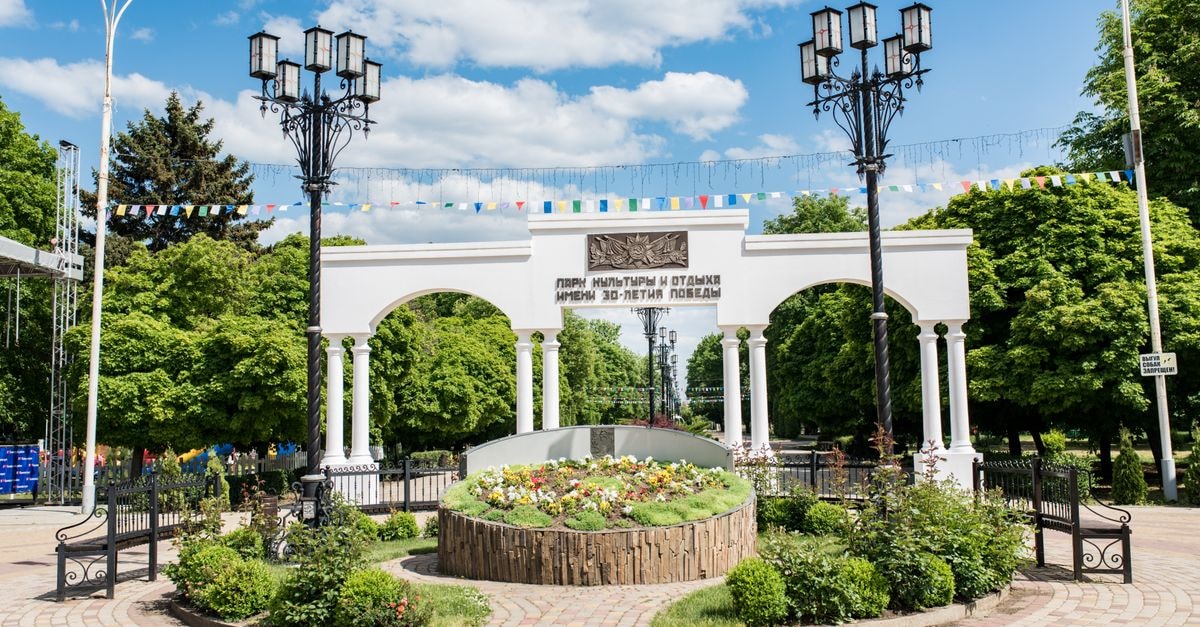
A history-minded stop with a practical rail connection
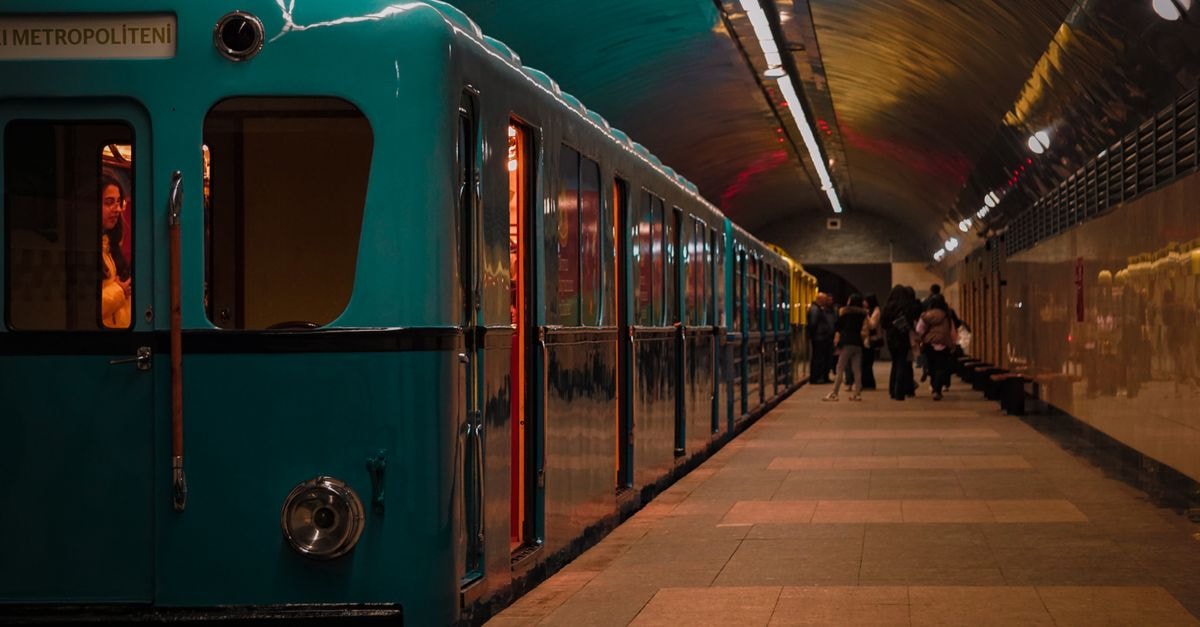
Konotop travel tips often begin with its layered history and transport connections rather than a checklist of grand attractions. The city is especially relevant to visitors interested in military history, portrait galleries, and industrial heritage, as well as regional travelers using trains to move through the Sumy region. Konotop is also described as an important transport hub, with developed infrastructure and regular routes linking it to other parts of Ukraine and international destinations.
That combination makes the city appealing if you prefer a destination where the journey can be as interesting as the visit. Konotop’s history sites, riverine walks along the Seym, and aviation-related landmarks provide a focused theme without requiring a crowded itinerary.
Weather and seasonal context for Konotop
Konotop’s temperatures vary considerably through the year, typically ranging from 11°F to 79°F, and are rarely below -9°F or above 88°F. Rather than treating any part of the year as guaranteed ideal weather, consider the season as one element of trip planning and build some flexibility into outdoor sightseeing.
The city is described as having mild conditions and vibrant scenery in late spring and early autumn, which can make those periods appealing for walks and outdoor activities. Because conditions can shift, a travel plan centered on the Seym riverfront or nearby historical sites should still allow for changes in comfort and access.
Weather is only one part of the decision. Current safety information is especially important because Konotop has an elevated risk designation linked to its proximity to conflict-affected regions. Check official advisories before departure and again before setting out locally; conditions and official guidance can change.
Getting around by regional train
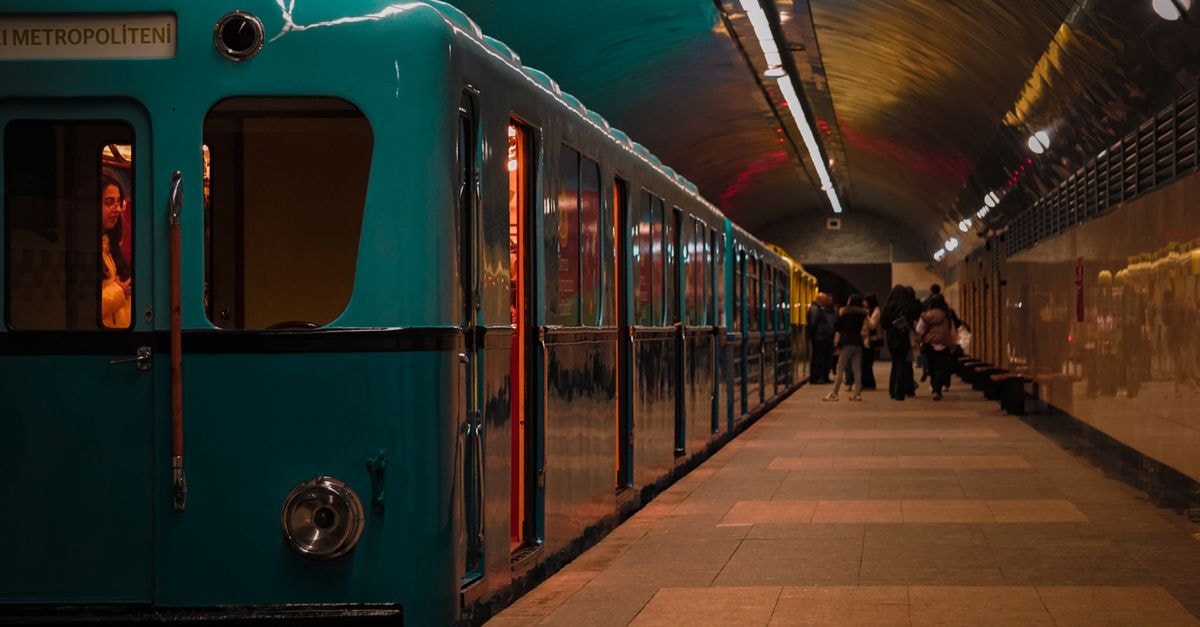
For travelers arriving by regional rail, Konotop’s strongest practical advantage is its role as a transport hub in the Sumy region. Developed infrastructure and regular routes make it possible to plan connections to other regions of Ukraine and international destinations, although the best option depends on the onward journey and current network information.
Konotop may therefore suit independent travelers who value straightforward regional connections and want to explore a historically grounded city without treating it as a major metropolitan stop. If you are coming with a particular interest rather than simply passing through, a city chat or interest-based travel group may help identify other visitors interested in places such as the Shukhov Tower and the Dragomirov Museum. History and photography interests are particularly relevant to the city’s heritage and industrial aesthetic.
What to see beyond the transport hub
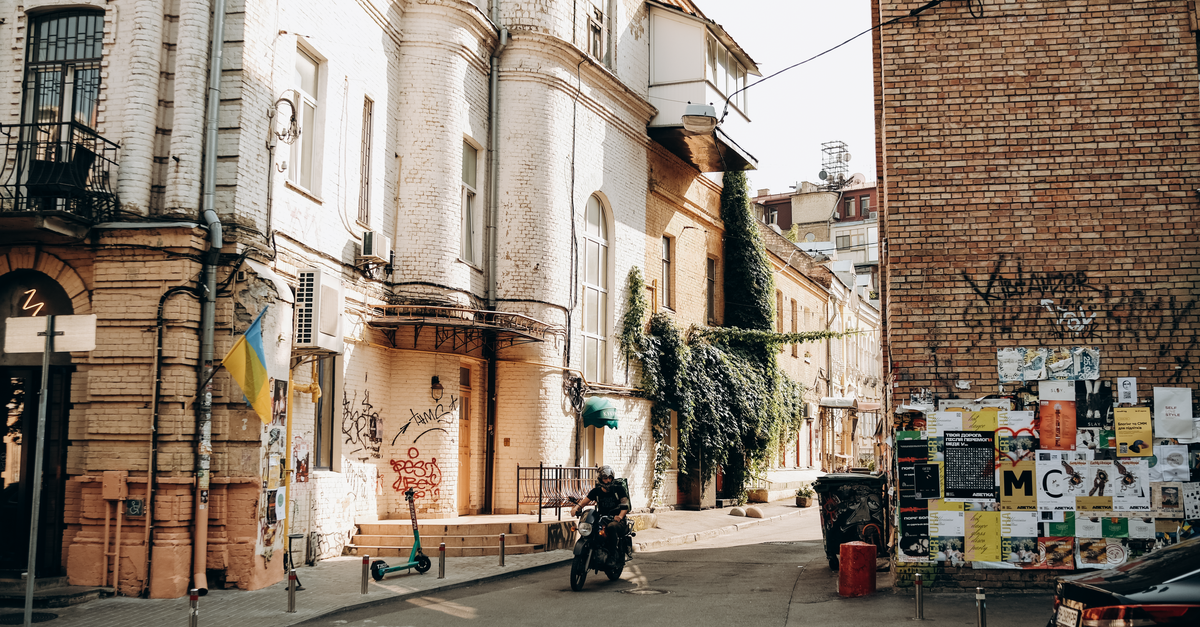
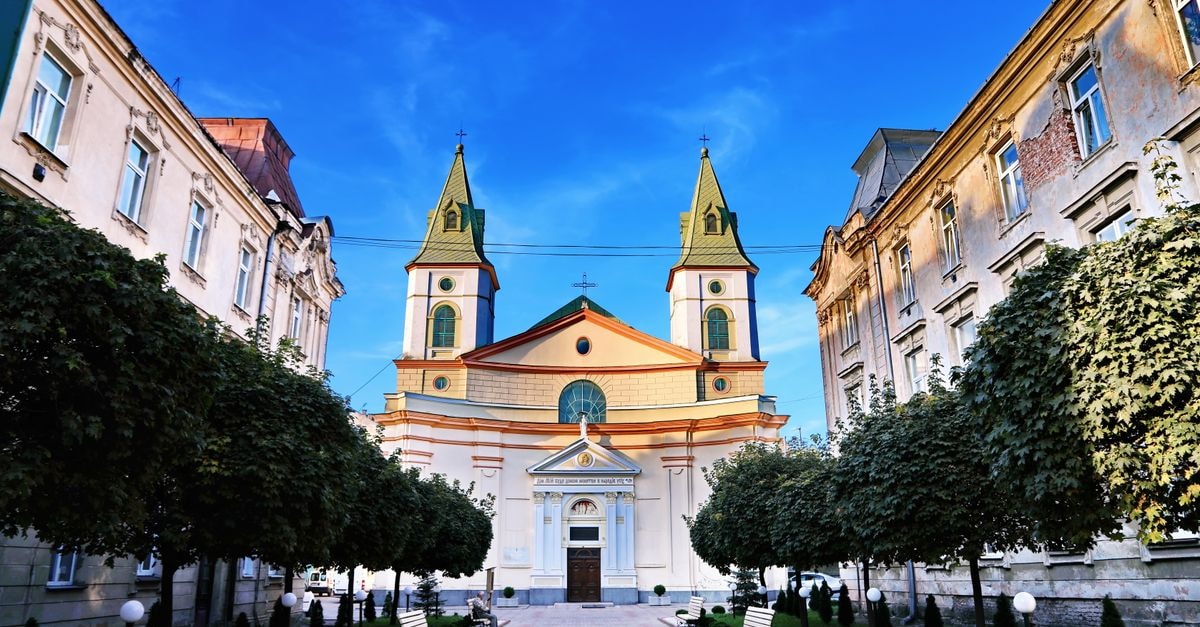
Konotop’s most compelling attractions belong to its historical and industrial story. Visitors can explore 17th-century battlefield sites, portrait galleries, and aviation heritage associated with the Shukhov Tower and Dragomirov Museum. These places make sense for travelers who prefer specific places with historical meaning over a broad mix of modern sightseeing.
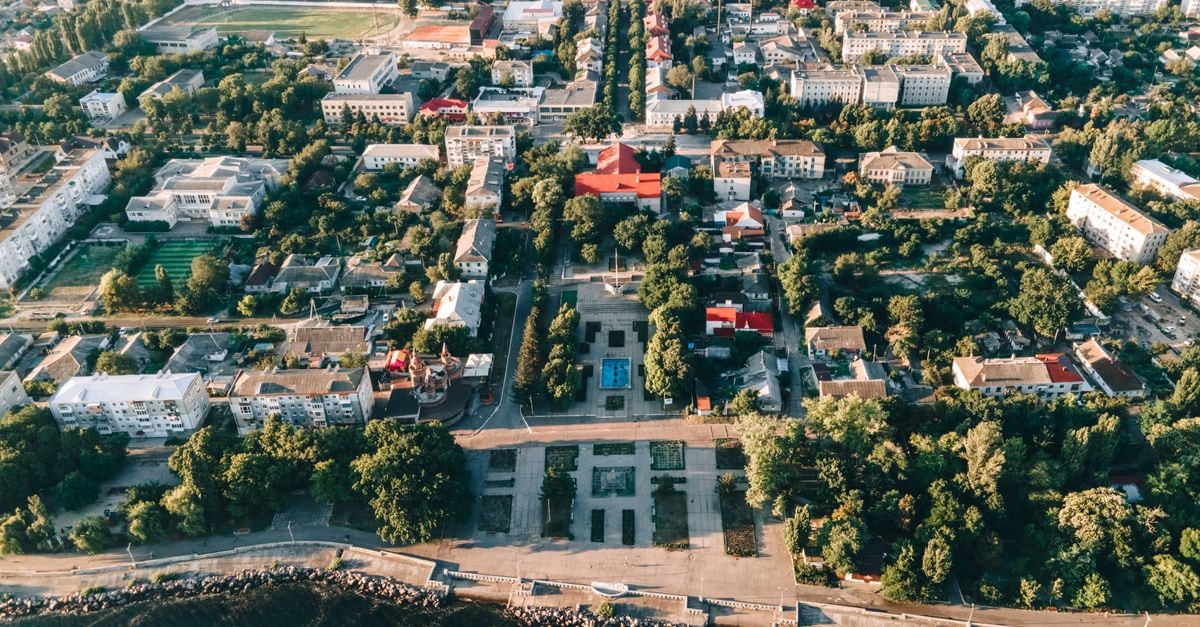
Riverine walks along the Seym add an outdoor element to a visit. They may suit photographers, walkers, and anyone who likes changing perspectives within one city, while the nearby historic sites provide subject matter beyond the landscape itself.
A practical approach is to choose one or two interests before arriving—military history, portraiture, aviation, photography, or industrial architecture—and use them to shape the visit. This avoids presenting a guaranteed schedule and makes the guide work for both short stops and travelers based in the city for longer.
Food in the wider Ukrainian context
Food is best understood through the wider context of Ukrainian cuisine rather than as a claim about a specifically Konotop specialty. Ukrainian food culture is known for bold, traditional dishes, with borscht among the recognizable examples. A visitor to Konotop may encounter this broader culinary tradition while dining in the city.
That distinction matters when reading restaurant menus or choosing what to eat: borscht is part of Ukraine’s national food culture, not evidence of a particular Konotop venue or locally unique recipe. Likewise, the source material does not establish individual restaurant rankings, dish prices, opening hours, or a signature dining experience, so it would be misleading to present any of those as fixed facts.
For food-focused visitors, the sensible approach is to explore the national context with an open mind while treating individual menus, prices, and availability as changeable details that require confirmation.
Budget considerations and travel fit
Konotop is generally described as not being an expensive tourist destination, and Ukraine’s cost of living is relatively low compared with other European countries. These broad points may make the city appealing to budget-conscious travelers, but they do not establish a fixed daily spending amount, individual meal price, or hotel rate.
The strongest fit is for travelers who prioritize history, transport access, and local atmosphere over luxury or a large-scale attraction list. Konotop may particularly suit regional train travelers, independent visitors interested in military and aviation heritage, and photographers looking for an industrial cityscape. Those who need guaranteed accessibility details or a tightly confirmed itinerary may want to resolve those specifics directly before booking.
The city’s affordability and transport role can make it a practical base for exploring the region, but current travel conditions should determine whether and how to travel. Official advisories, transport information, and opening details should always be checked before departure.
Prices, opening hours, schedules, reservation rules, and local conditions can change; verify them through official channels before departure.
Share this article
TOOLS FOR THIS PLAN
Make the Konotop plan measurable
Choose a tool only when it answers the next question in your trip. Your values stay in the browser, and each tool offers a route back to this planning context.