Price slump hits five-month low amid oversupply signals

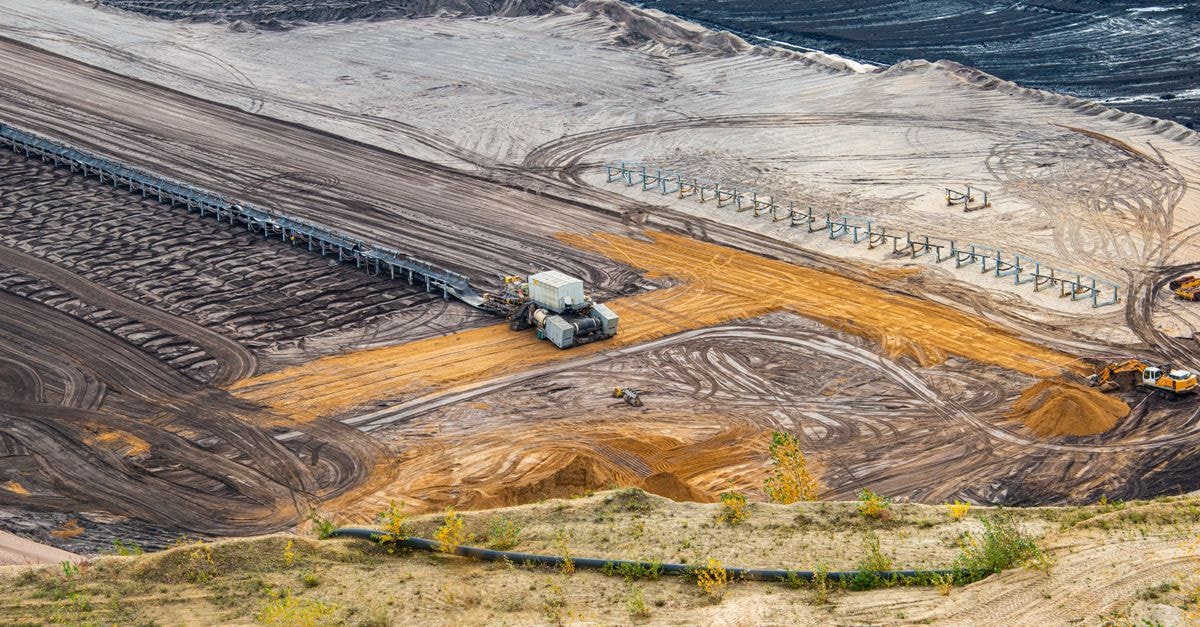
Lithium carbonate prices dropped to a five-month low as accelerating mine restarts in China and Australia renewed concerns about a global supply surplus, according to reporting dated July 23, 2026. The most active lithium carbonate contract on the Guangzhou Futures Exchange fell to 136,800 yuan (about $20,210) per tonne, nearly 30% below multi-year highs reached in mid-May. Producers including CATL, Mineral Resources and Core Lithium are bringing previously idled capacity back online, with global lithium output projected to grow more than 25% annually through 2029, reaching 2.16 million tonnes in 2026, 2.74 million tonnes in 2027, 3.34 million tonnes in 2028 and 4.02 million tonnes in 2029. Despite the bearish supply backdrop, analysts cited continued strength in electric-vehicle sales, AI-driven data centre demand and battery storage deployment as longer-term supports for lithium consumption.
CATL's Jianxiawo mine clears final regulatory hurdle
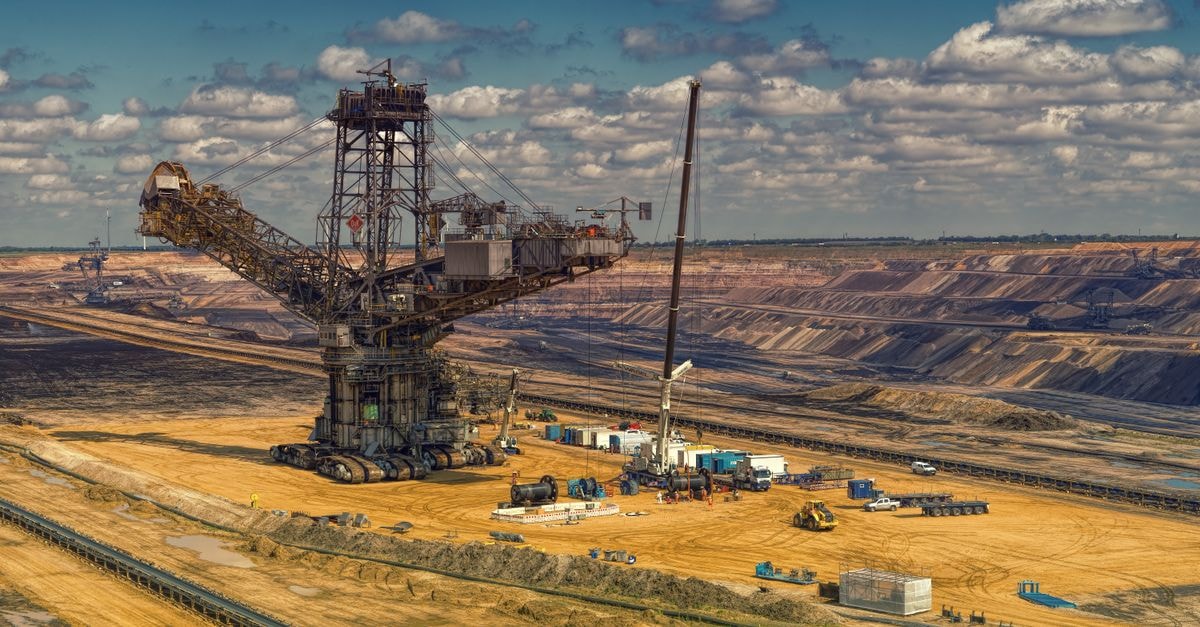
China's EV battery giant Contemporary Amperex Technology Co. (CATL) secured a safety production permit last month for its flagship Jianxiawo lithium mine in Yichun, removing the final regulatory barrier to a restart after a near one-year suspension. The mine was halted in August 2025 when its operating licence expired during a broader regulatory crackdown on environmental compliance, waste management and tailings safety in Yichun, China's largest lithium mining hub. The project contains an estimated 960 million tonnes of porcelain stone ore, equivalent to roughly 2.66 million tonnes of lithium oxide, and is designed to produce 100,000 to 150,000 tonnes of lithium carbonate equivalent annually. At full output, Jianxiawo is expected to supply roughly 3% of global lithium output and between 8% and 10% of China's domestic production.
Australian producers ramp up spodumene capacity
Australian miners are accelerating new supply after lithium prices rebounded earlier in the year. In May, Mineral Resources restarted its wholly owned Bald Hill mine, reversing a November 2024 decision to place the operation on care and maintenance; Bald Hill is designed for about 165,000 tonnes of spodumene concentrate annually. The company had already restarted the much larger Wodgina mine, a joint venture with Albemarle Corp., which has nameplate capacity of 750,000 to 828,000 tonnes of spodumene concentrate per year. Mineral Resources and China's Ganfeng Lithium are also spending A$490 million to expand the Mt Marion mine, lifting processing capacity from 500,000 to 600,000 tonnes of spodumene annually. Separately, Core Lithium resumed mining at its Finniss Lithium Operation in Australia's Northern Territory after a two-year hiatus, backed by a US$207 million (A$290 million) financing package that includes a A$120 million institutional equity raise and debt facilities from Glencore Australia, InfraVia Capital and Nebari Holdings. Finniss is targeting a nameplate capacity of 214,000 tonnes of spodumene concentrate per annum by mid-2028.
CleanTech Lithium hits high-purity milestone at Laguna Verde
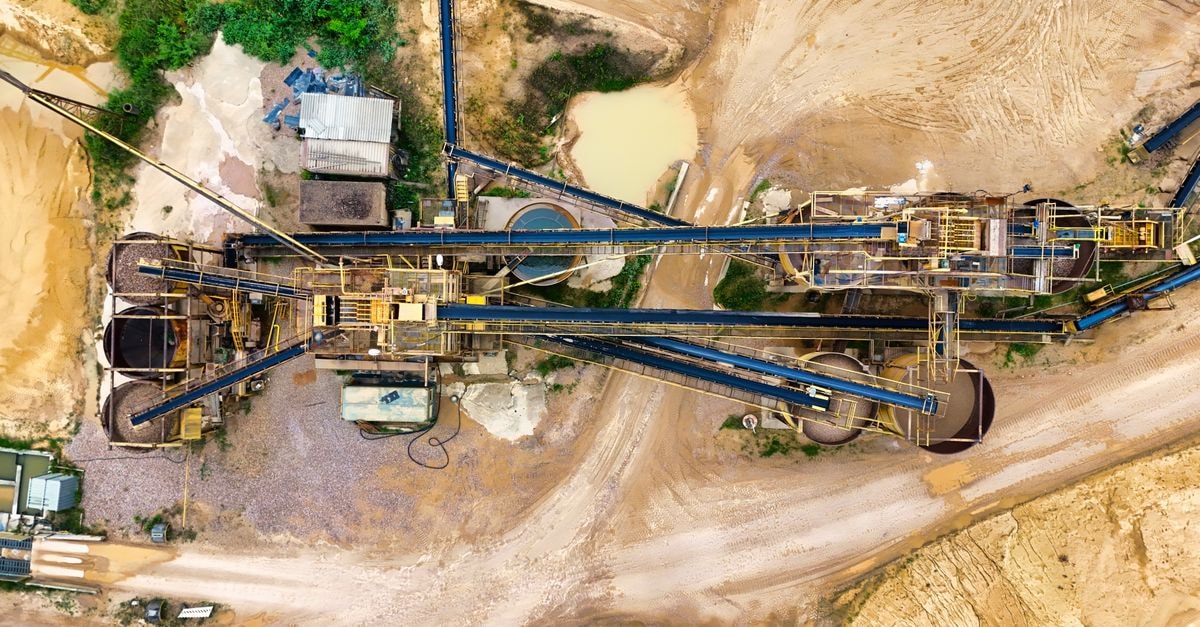
CleanTech Lithium has produced approximately 330 kilograms of high-purity lithium carbonate from eluate generated by its direct lithium extraction pilot plant at the Laguna Verde project in Chile, with laboratory purity ranging from 99.68% to 99.91% across five carbonation campaigns. Downstream processing was carried out by US-based Empower EIT at its 1,600 square-metre Dallas, Texas facility, which handled about 55,000 litres of eluate between March and May 2026. The nanofiltration stage used DuPont's FilmTec LiNE-XD 4040 membranes, and Empower's conversion platform achieved roughly 97% boron removal under optimised continuous operating conditions, with final polishing reducing residual boron ahead of carbonation. An additional approximately 250 kilograms of lithium carbonate remains stored in recycle fluids from pre-treatment and carbonation. CleanTech Lithium chief executive Ignacio Mehech described the result as a significant milestone for the collaboration with Empower. A pre-feasibility study process validation trial is under way in Chile, alongside definitive feasibility study-level adsorbent test work in France, and lithium brine services firm Zelandez has been engaged for a spent-brine reinjection options analysis.
Zimbabwe launches Maputo rail corridor ahead of 2027 concentrate export ban
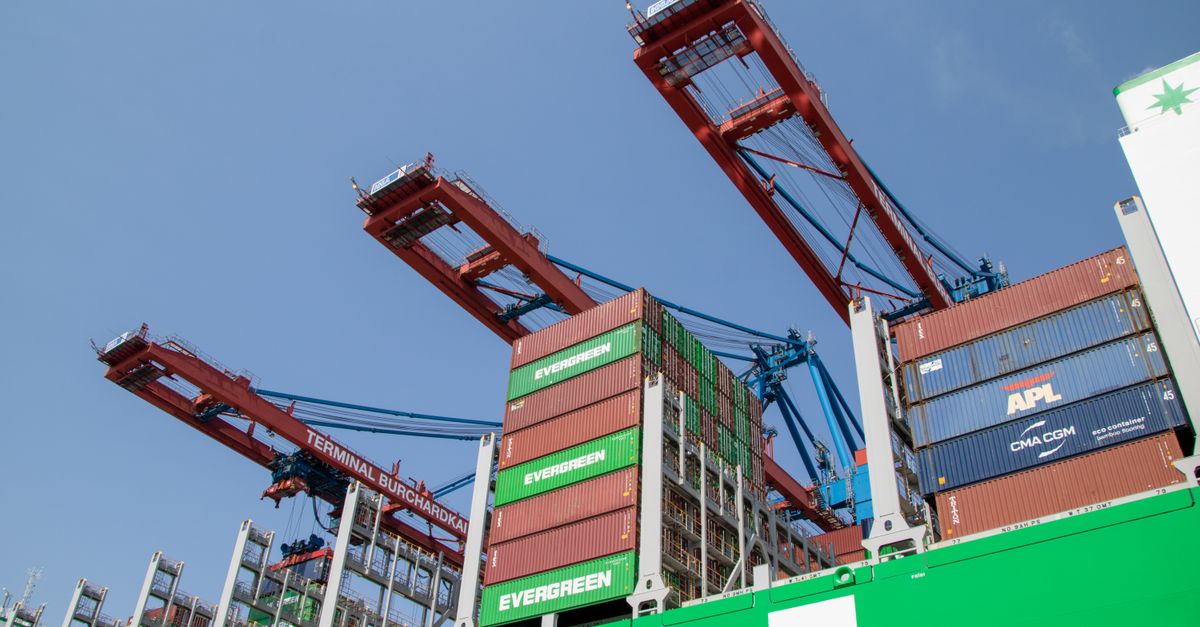
Zimbabwe's state-owned National Railways of Zimbabwe, together with Beitbridge Bulawayo Railway (a Grindrod subsidiary) and logistics firm Silvergill, completed the inaugural run of a new rail corridor linking lithium mining regions to Mozambique's Port of Maputo, transporting an initial 1,000 metric tonnes of lithium concentrate from Tsingshan Holding Group's Gwanda Lithium Mine. The roughly 1,000-kilometre route moves cargo about 180 kilometres on the BBR line from Gwanda to Beitbridge, then roughly 300 kilometres on the NRZ network to the Chicualacuala border, and finally some 522 kilometres on Mozambique's Limpopo railway to Maputo. Authorities have confirmed that exports of raw lithium concentrate will be prohibited from January 2027, requiring mining companies to undertake additional domestic processing, with longer-term ambitions to manufacture battery-grade lithium carbonate and lithium hydroxide. Industry and government projections see Zimbabwe exporting approximately 344,000 tonnes of processed lithium chemicals annually by 2030.
DRC issues first lithium export certification at Zijin's Manono project
The Democratic Republic of Congo's Centre d'Evaluation, d'Expertise et de Certification des Substances Minérales (CEEC) completed full compliance certification for the first batch of lithium products exported from Zijin Mining's Manono Lithium Project, with cargo dispatched from Kalemi Port in Tanganyika Province. The certification represents the first time official export documents have been issued for lithium products since the DRC began mining export regulation and establishes a standardised cross-border process for lithium ore. Tanganyika Governor Christian Kitungwa attended the certification ceremony, calling the shipment a landmark in the diversification of the DRC's mining industry. The Manono mine is described as a global super-large high-grade pegmatite lithium operation; its mineral processing facilities came on stream ahead of schedule in May 2026 and a trial export of the first batch of lithium concentrates was launched in June.
PLACES IN THIS STORY
Explore the destinations behind this report
Mozambique
Maputo
Browse travel guides, places to stay, attractions and local food in Maputo.
Explore Maputo →Maputo Travel Guide: Planning Tips, Costs and Things to DoShare this article