Catch up on the essentials
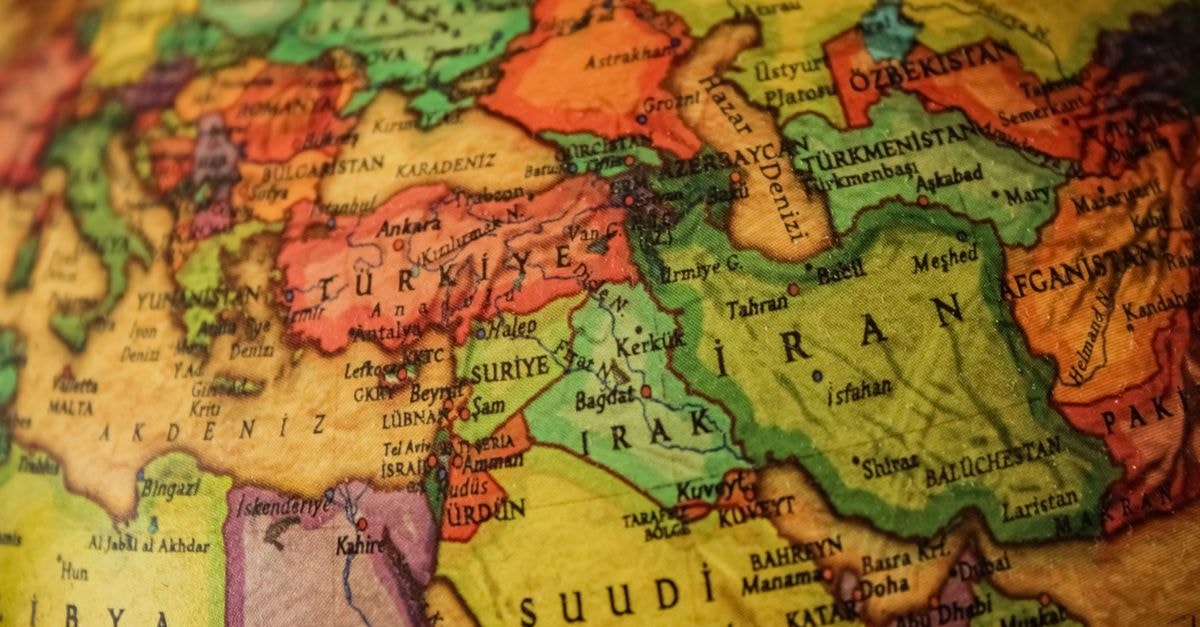
- Middle East physical crude prices weakened as increased cargo movements through the Strait of Hormuz and ship-to-ship transfers offshore Oman improved regional supply availability.
- The premium of Oman crude over Dubai, a measure of Middle East physical-market strength, fell to its lowest level since late July.
- ING commodities strategist Warren Patterson said Middle East flows were holding up for the time being, while renewed attacks could test their sustainability.
Selected from this article · 2026-10-24
Read on for the full picturePhysical crude weakens despite benchmark rally
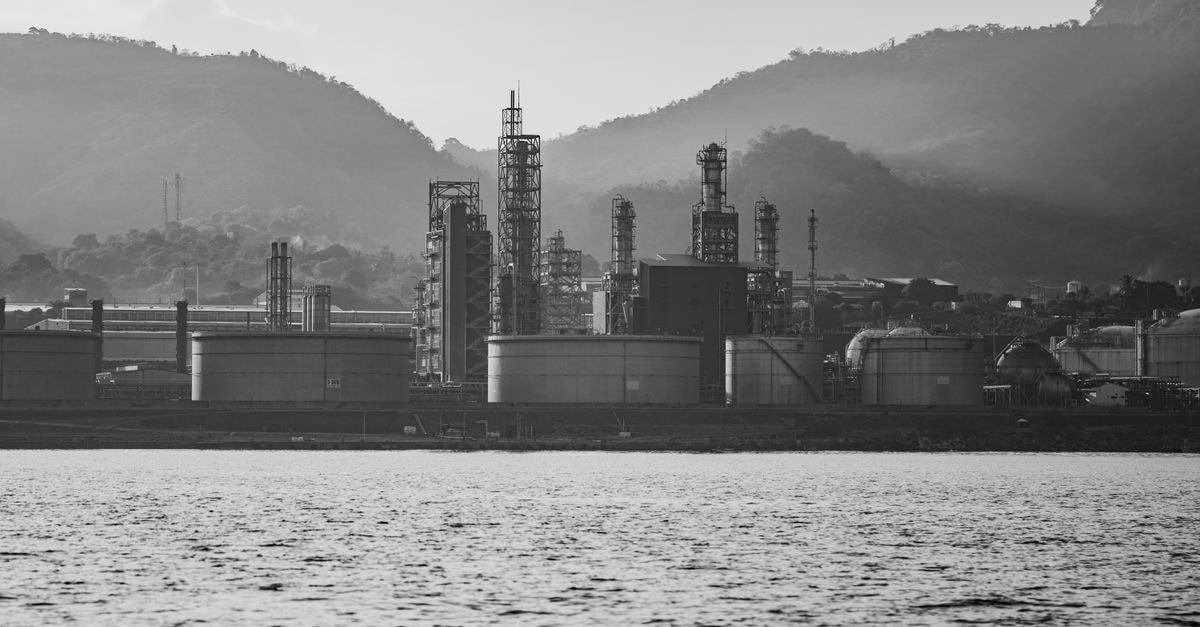
Middle East physical crude prices weakened as increased cargo movements through the Strait of Hormuz and ship-to-ship transfers offshore Oman improved regional supply availability. The move contrasted with front-month Brent futures, which rose for a fifth consecutive week and reached a six-month high on Friday.
Iraqi Basrah Medium sold at a discount of nearly $10 per barrel to the Dubai physical benchmark in a Gulf of Oman ship-to-ship transaction, compared with near parity a month earlier. Traders attributed the discount to competing offers for Asian buyers and assurances that cargoes could be shipped out of the Gulf.
Regional premiums lost their scarcity premium
The premium of Oman crude over Dubai, a measure of Middle East physical-market strength, fell to its lowest level since late July. The differential had reached as high as $65 per barrel in March when the Strait of Hormuz was effectively closed to normal cargo movements.
That premium had also moved into discount during mid-June and early July, before widening again in August and September as hostilities resumed. Recent shuttle shipping and ship-to-ship transfers subsequently restored flows, reversing much of the scarcity signal embedded in regional grades.
Futures price disruption risk instead
The divergence indicates that futures markets were responding primarily to potential supply disruption rather than current physical availability. ING commodities strategist Warren Patterson said Middle East flows were holding up for the time being, while renewed attacks could test their sustainability.
Reuters reported separately that Brent futures settled at $116.72 a barrel on Friday, up 3.14%, after Houthi attacks in Saudi Arabia and an oil spill off the UAE raised supply concerns. That context helps explain why benchmark pricing strengthened even as saleable Middle Eastern grades traded at larger discounts.
Higher flows reduce near-term pressure
The available reporting supports a narrower conclusion than a general easing of crude prices: current transport arrangements were increasing Middle East crude availability and weakening some physical premiums, while geopolitical risk kept the futures market elevated. The reports do not establish that the improvement in flows is durable.
The next observable test is whether physical exports continue through the Strait of Hormuz and whether the Oman-Dubai differential continues to compress. Continued tanker movements would favor further pressure on regional physical premiums; renewed attacks that disrupt shipping would support the futures market’s risk premium and could tighten that divergence.
Share this article