Samsung logs record quarterly profit on AI memory demand

Samsung Electronics reported record results for the April-June period, with operating profit of 89.5 trillion won (about $62 billion) and net profit of 71.62 trillion won ($49.6 billion), up nearly 1,300% from a year earlier. Sales climbed 130% to 171.49 trillion won, marking a third consecutive quarter of record revenue and operating profit. The semiconductor division contributed nearly all of the gain, posting an operating profit of 89.2 trillion won (about $61.7 billion), a more than 250-fold increase year-on-year, driven by elevated memory prices and shipments of advanced high-bandwidth memory chips used to power AI servers. The results came a day after crosstown rival SK Hynix reported record earnings on July 29, underscoring how the world's two largest memory makers continue to ride the global AI infrastructure buildout.
Supply outlook: shortages seen deepening through 2028
During its earnings call, Samsung warned that the memory supply shortage will widen in 2027 relative to 2026 and persist into 2028, citing the more than three-and-a-half year lead time from groundbreaking to wafer output at a new fab. The company said frontier AI model developers have begun approaching Samsung directly to secure multi-year memory supply contracts, a shift from the traditional flow in which memory is routed through AI chip designers such as Nvidia before reaching hyperscaler customers. In response, Samsung is expanding its long-term agreements. Memory business executive vice president Kim Jaejune told analysts that HBM4 revenue should more than triple in the third quarter as the chip shortage deepens, and Samsung expects the supply-demand gap to widen further next year compared with this year.
HBM4 leadership and Samsung's broader chip roadmap
Samsung said it is the first in the industry to begin mass production and shipments of sixth-generation high-bandwidth memory, known as HBM4, and it expects the HBM4 ramp to lift its HBM market share closer to its overall DRAM share in the second half. HBM customers include Nvidia and Advanced Micro Devices. The company also said its foundry business, which competes with TSMC and Intel, is expected to turn around in the near future on higher factory utilization and chip prices. Its Taylor, Texas fabrication plant remains on track to begin operations in 2026, and Samsung aims to break ground on a second fab that could start mass production in 2030.
CXMT debuts as China's most valuable listed company
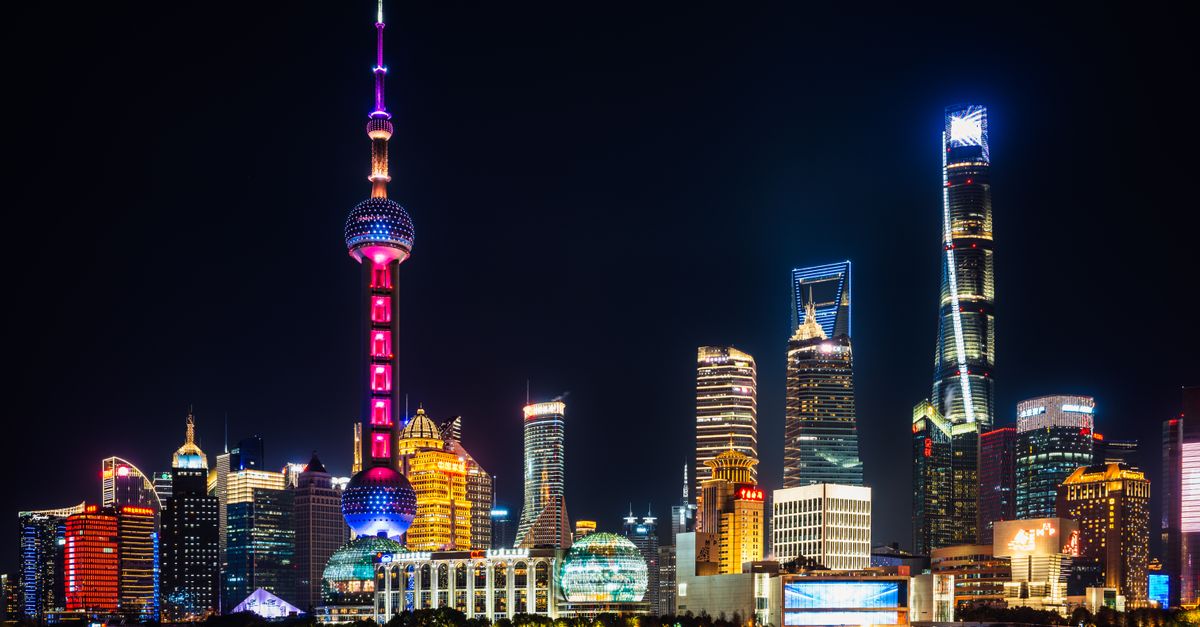
ChangXin Memory Technologies (CXMT) made its Shanghai stock market debut on Monday July 27, with shares surging more than 500% on the first day and pushing the company past the Industrial and Commercial Bank of China to become mainland China's most valuable listed company at more than $500 billion. The initial IPO valued CXMT at 579 billion yuan (about $85.5 billion); the rally lifted market capitalization to about 3.3 trillion yuan. CXMT is the world's fourth-largest DRAM producer with roughly 8% market share, behind Samsung (36%), SK Hynix (29%) and Micron (24%), according to Counterpoint Research. In the first quarter, CXMT's revenue jumped 719% year-on-year to 50.8 billion yuan and net profit rose 1,268% to 33 billion yuan, with customers including Alibaba Cloud, ByteDance, Tencent, Lenovo, Xiaomi, Oppo and Vivo.
Competitive stakes and analyst disagreement
Analysts remain divided on CXMT's longer-term prospects. Nomura semiconductor research analysts Donnie Teng and Frank Fan initiated coverage with a buy rating and a target price of 116 yuan, expecting CXMT's market share gains to accelerate as global memory supply remains tight. Morningstar's Jing Jie Yu set a 16.10 yuan target, calling the shares overvalued and noting that CXMT remains two generations behind peers and lacks access to extreme ultraviolet lithography machines used by rivals. CXMT has signaled it aims to start catching up in high-bandwidth memory by late 2026 and to supply HBM within China starting in 2027. The Financial Times has reported that Apple is testing CXMT DRAM for China-market devices and lobbying the US government for clearance to buy Chinese memory, while HP and Dell have also shown interest, developments that could further pressure Samsung's customer relationships.
Mobile weakness and Samsung's DRAM capacity push
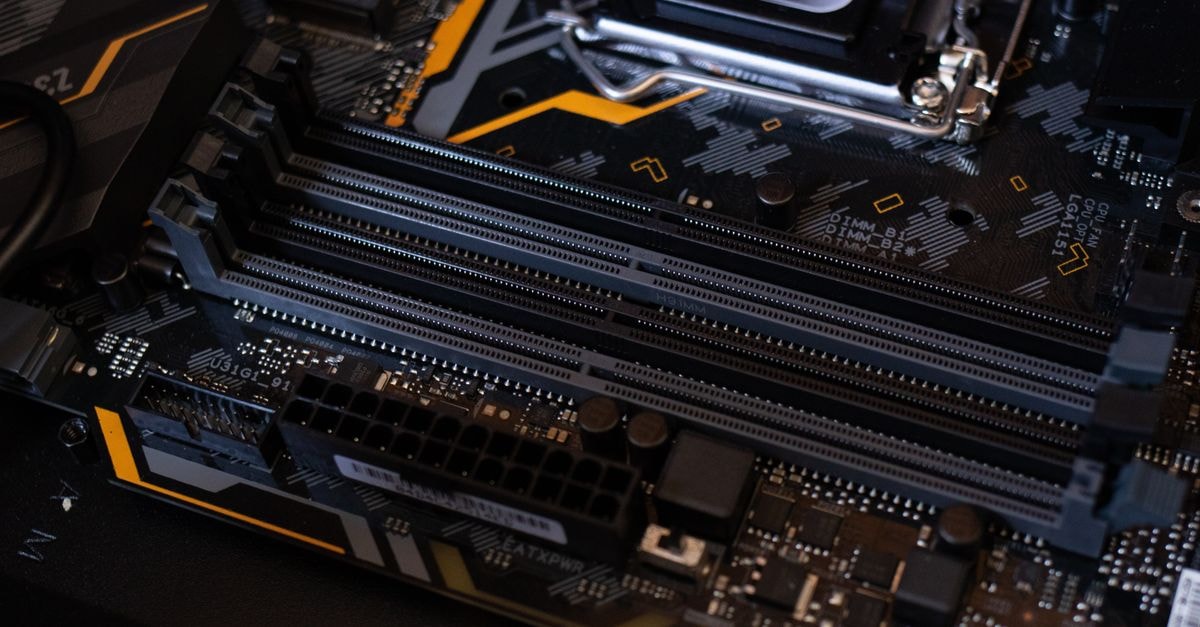
Samsung's mobile division reported a 700 billion won operating loss, its first quarterly loss since the company's founding, even as Galaxy S26 and Galaxy A series sales rose, because surging DRAM and NAND prices pushed component costs higher. The result underscores how the memory supercycle now cuts both ways for integrated device makers: chips are enriching Samsung's semiconductor arm while pressuring downstream businesses. To shore up supply for major customers and retain market share, Samsung's Memory Manufacturing Technology Center reportedly formed a dedicated task force this month to add an end-fab at its Hwaseong Campus Complex 1, a move South Korean outlet Sedaily says could lift general-purpose DRAM output by about 15% by the end of 2026. Commodity DDR4 DRAM prices have climbed more than 80% in the first half of 2026, with Samsung, SK Hynix and Micron together controlling roughly 90% of the global DRAM market.
Next verifiable milestones include Samsung's third-quarter HBM4 revenue print, progress at its Taylor, Texas fab targeted to start operations in 2026, CXMT's planned HBM catch-up from late 2026 and HBM supply within China targeted for 2027, and any US government action on Apple's request for clearance to source memory from Chinese suppliers.
Share this article