CXMT's entry into HBM3E

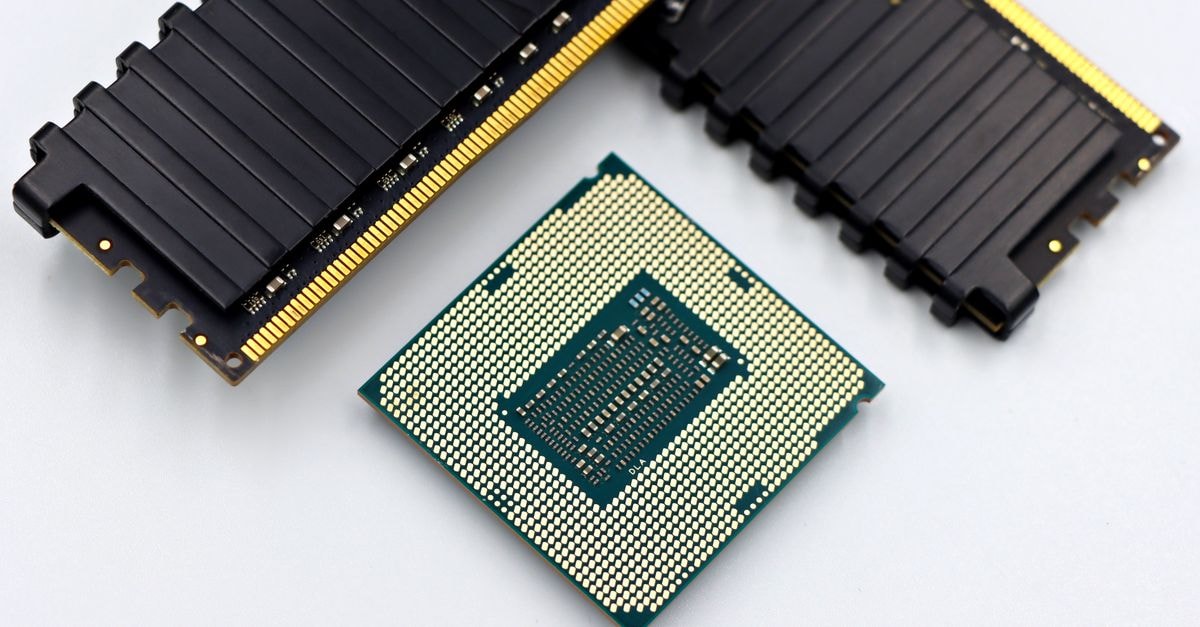
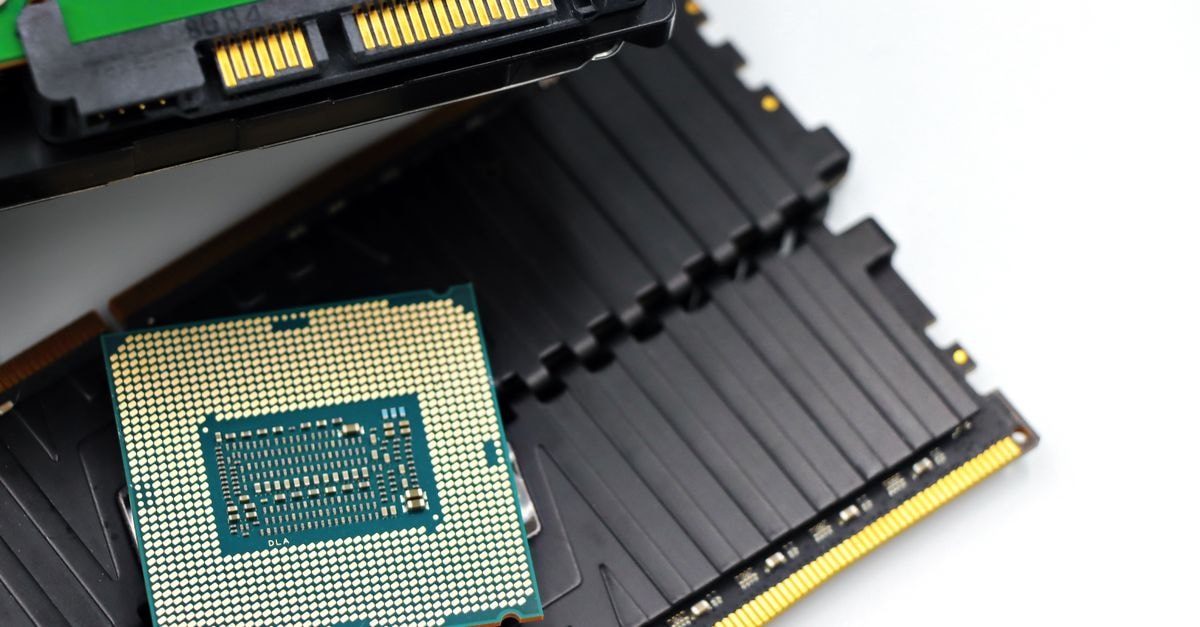
Chang Xin Memory Technologies, China's largest DRAM maker, has started small-scale production of HBM3E high-bandwidth memory, broadening its portfolio beyond conventional DRAM into the fast-growing memory segment used in AI accelerators. U.S. technology outlet The Information reported the move on September 1, 2026, citing multiple sources familiar with the matter, and CXMT aims to ramp output next year. HBM3E is used in widely deployed accelerators including Nvidia's H200 and Blackwell products.
Domestic test partners and timeline
Alibaba's chip design subsidiary T-Head and Beijing-based AI chipmaker Cambricon Technologies are testing CXMT's HBM3E with their own processors, according to two people familiar with the matter. If final validation proceeds as planned, Chinese AI chips incorporating CXMT's HBM could reach commercial products as early as next year. CXMT, T-Head and Cambricon have not publicly confirmed the production or testing, and the output volume, yield and detailed specifications of CXMT's HBM3E remain undisclosed.
Lag behind Korean and U.S. memory leaders
CXMT remains a generation behind the industry's three largest players, Samsung Electronics, SK hynix and Micron, which are already mass-producing sixth-generation HBM4. SK hynix began mass-producing HBM3E in 2024, roughly two years before CXMT's reported move into small-volume production, and by 2026 both Samsung and SK hynix had moved into HBM4 production and begun supplying HBM4E samples to customers, with announced data-transfer speeds of up to 16 gigabits per second per pin. The Information reported that CXMT continues to face low yields and remains an estimated three to five years behind leading HBM producers, and CXMT's front-end yield for its previous-generation eight-layer HBM3 was estimated at about 35 percent with a back-end yield of about 70 percent for an overall yield of roughly 25 percent, according to semiconductor research firm SemiAnalysis.
Capital, market share and export-control backdrop
CXMT raised 57.9 billion yuan ($8.6 billion) in its July Shanghai listing to fund technology upgrades, research and expanded production. Counterpoint Research estimated that CXMT held 7 percent of global DRAM revenue in the second quarter, ranking fourth behind Samsung, SK hynix and Micron, and identified it as the fastest-growing DRAM supplier during the quarter. The United States added advanced HBM to its China export controls in December 2024, citing its role in AI training and inference at scale, and Chinese chipmakers also face restrictions on access to advanced semiconductor manufacturing equipment.
Industry reaction
Mark Calderhead, an innovation center manager at Dutch chip equipment maker ASML, said CXMT's reported progress could help China reduce its reliance on foreign-controlled memory technology and represented an important step for its domestic semiconductor supply chain, while adding that CXMT remains behind South Korean memory leaders. Neil Shah, vice president of research at Counterpoint, said CXMT's expanding capacity and fresh capital improve its prospects but cautioned that its HBM capability remains unproven at scale. CXMT has not disclosed whether its HBM3E has completed customer qualification.
Share this article