A first look at Caucaia

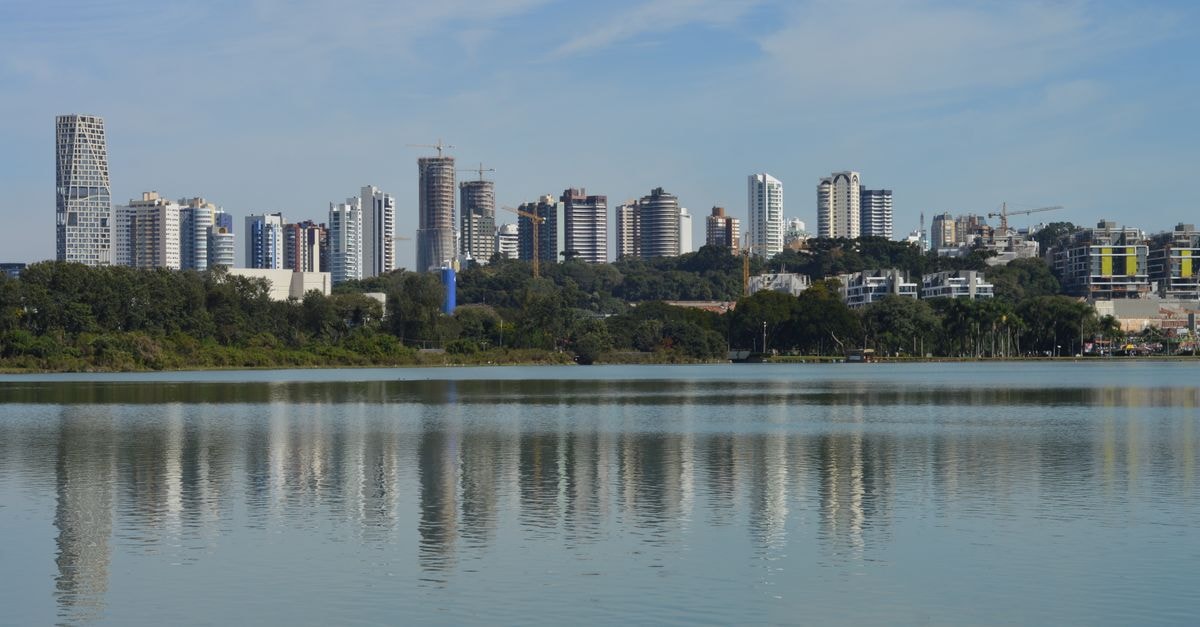
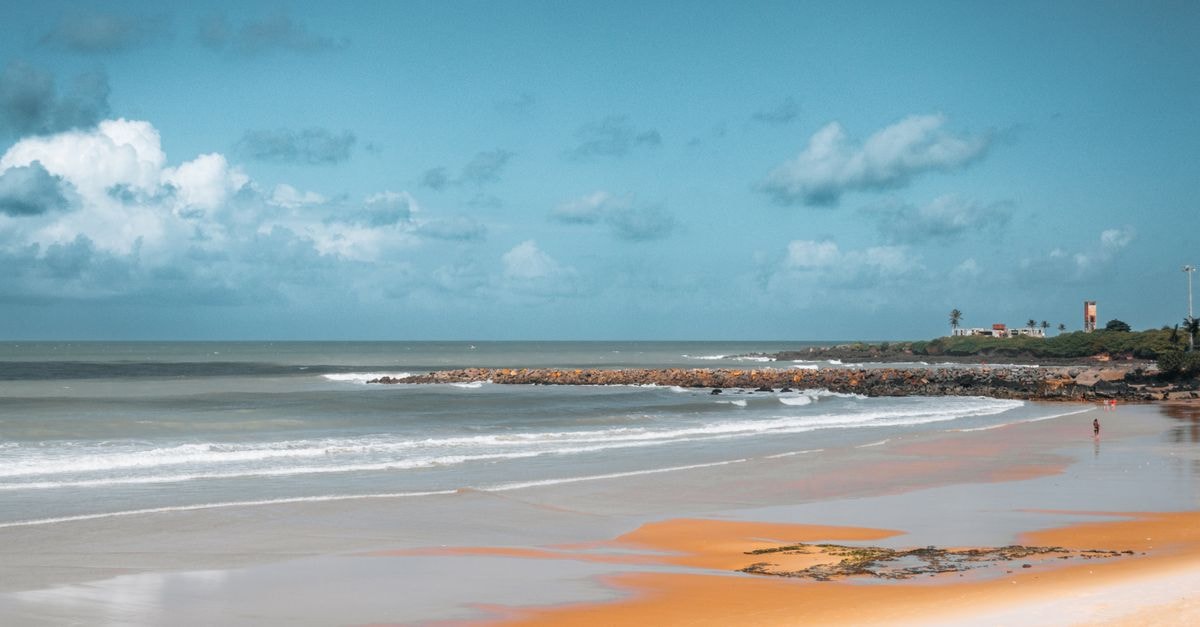
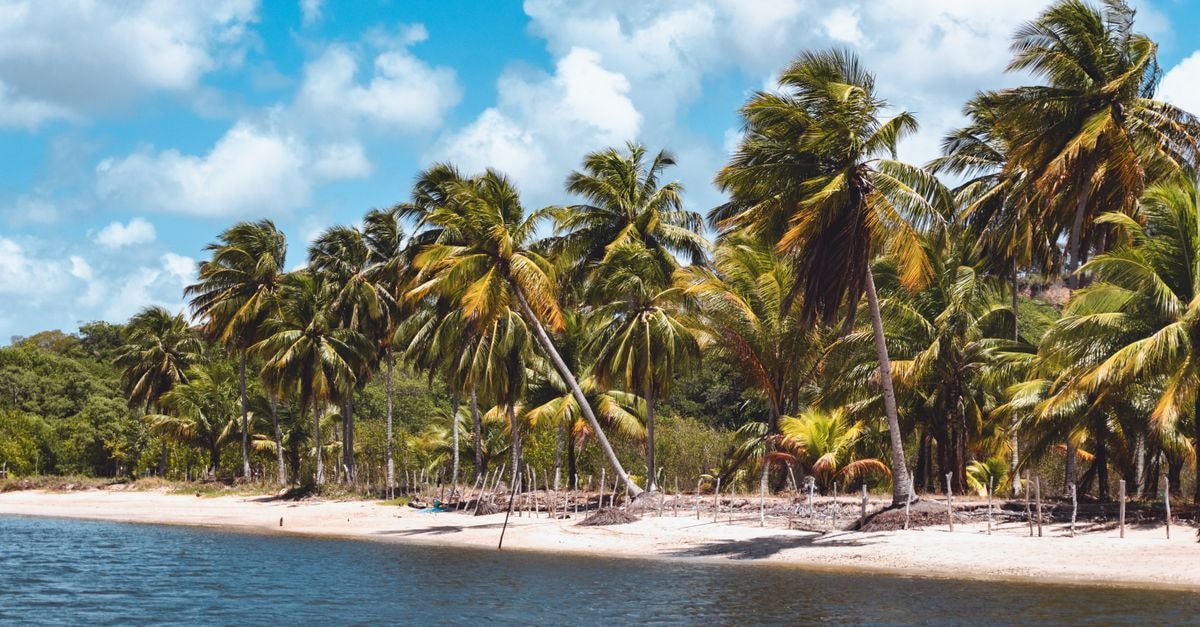
Caucaia sits roughly 13 kilometers west of Fortaleza on the coast of Ceará, close enough that the two cities share an everyday rhythm, yet far enough to feel like its own place. The municipality spreads across a generous stretch of land shaped by beaches, hills, and valleys, giving travelers a landscape that feels varied without ever feeling remote. Caucaia has been described as a municipality that stands out both for tourism and for its strategic role in the state economy, and that dual personality shows up the moment you arrive: a working Brazilian town that also knows how to welcome visitors.
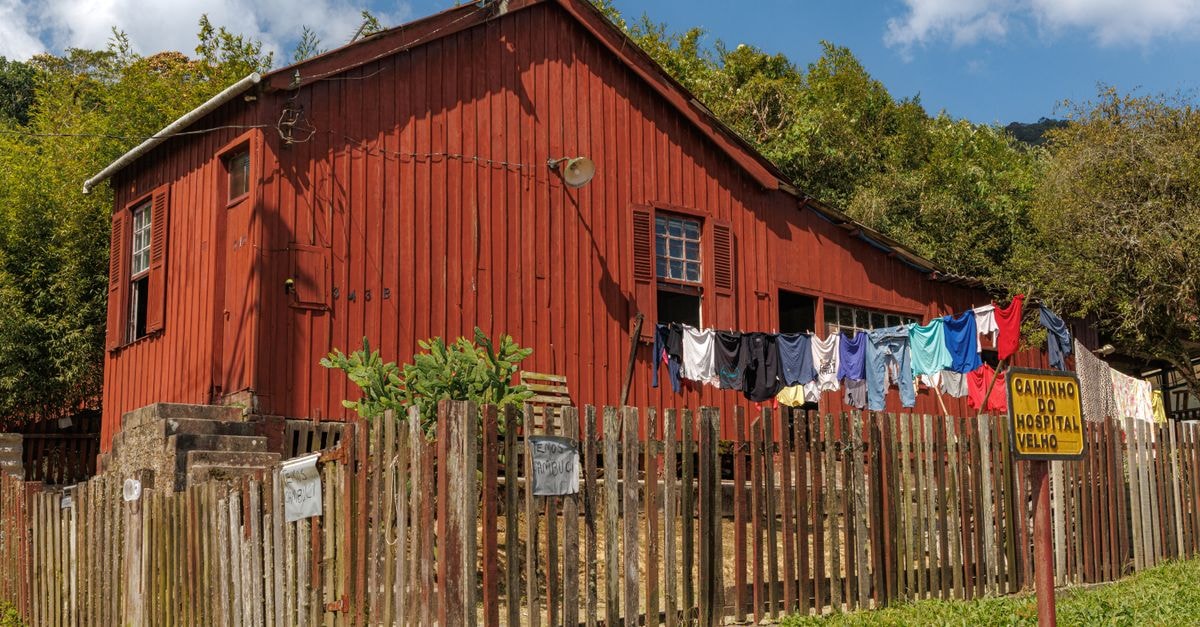
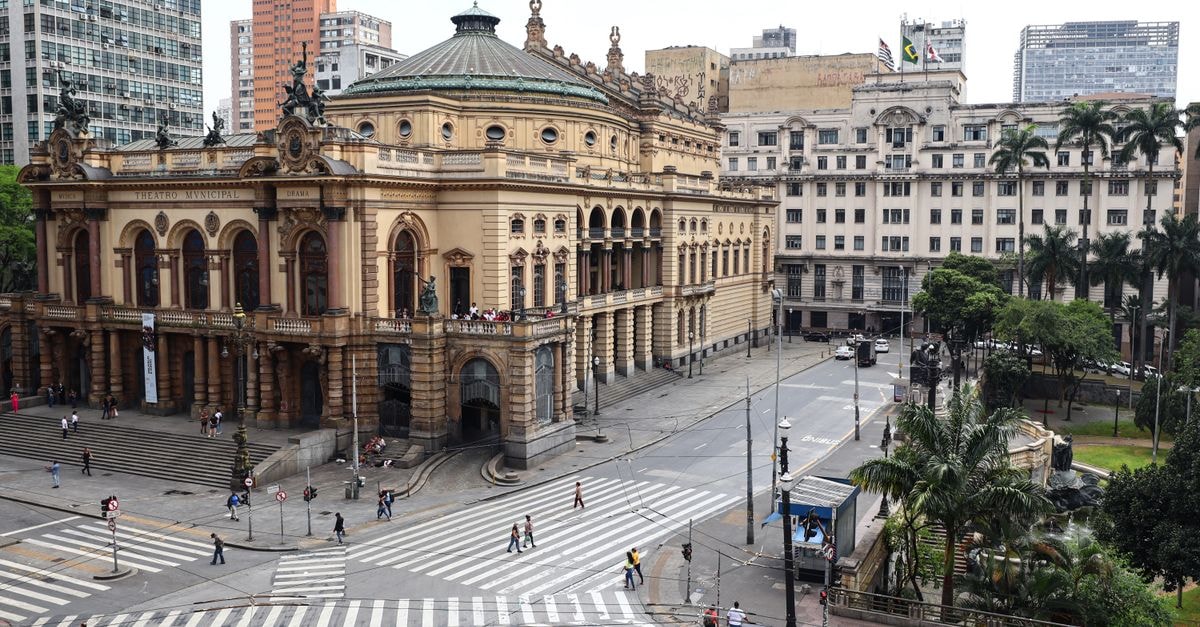
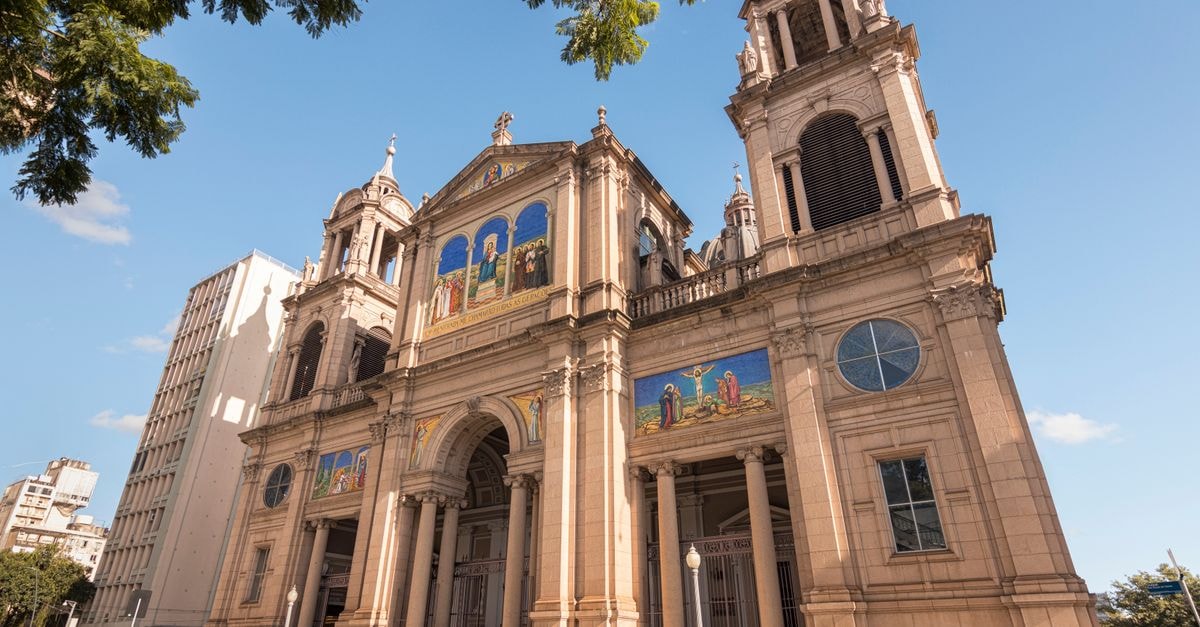
What draws most travelers here is the coastline, where Atlantic breezes and warm sand meet a centuries-deep local culture. Caucaia embraces Ceará's culture and history in a way that feels distinct from its larger neighbor, and visitors often find themselves lingering in the older streets, where stately historic townhouses and centuries-old churches quietly tell the story of the region.
Weather and seasonal context
Caucaia lives under a warm tropical sky. Daytime highs in the city average around 31°C (88°F) across the year, drifting only slightly between roughly 30°C (86°F) in April and 32°C (90°F) in October. For travelers, that translates into a consistently warm destination where lightweight clothing, sun protection, and plenty of water are everyday essentials rather than occasional considerations.
Rain is part of the picture. The municipality receives around 1005 mm (40 in) of rainfall per year, which means visitors should expect the possibility of showers at almost any time and plan for them. Light layers, a compact rain jacket, and a flexible daily rhythm tend to serve travelers well; outdoor plans can be loosely sequenced so that beach time, historic walks, and indoor pauses can shift around the weather. The takeaway is not that rain dominates a visit, but that a willingness to adapt turns an unpredictable day into a richer one.
Because conditions can shift quickly along this stretch of coast, many visitors find that mornings and late afternoons are the most comfortable windows for exploring on foot, while the middle of the day invites a slower pace, a shaded café, or simply a pause near the sea.
Getting around
Getting to Caucaia is straightforward thanks to its proximity to Fortaleza. Travelers arriving through Fortaleza's regional airport or intercity bus terminals generally find onward road connections that bring them to Caucaia without complication. The short distance means that even a day built around Fortaleza can pivot to Caucaia, or vice versa, with minimal logistics.
Once in the municipality, the variety of terrain matters. Beaches, hills, and valleys mean that some experiences cluster along the coast while others sit further inland or in the older urban core. Travelers relying on ride-hailing apps and local taxis usually find it simple to move between the coastal areas and the historic center, where the centuries-old churches and old townhouses are concentrated. For those who prefer to explore on foot, the historic streets reward a slow wander, though the warm climate suggests early starts and unhurried midday breaks.
A practical mindset helps here. Rather than racing between points, visitors often enjoy Caucaia most when they group nearby experiences together and leave room for the unexpected, whether that is a breeze on a hilltop, a quiet church courtyard, or a conversation with a local shopkeeper.
Attractions and planning
The coastline is the headline attraction, and Caucaia has earned a reputation as one of the most popular places for kitesurfing in Brazil. The winds are described as good all over the year, which makes the destination appealing not just for seasoned riders but also for travelers who simply enjoy watching the colorful sails move across the water. For anyone considering trying the sport, local operators along the coast are the natural starting point for current lesson availability and gear rental.
Beyond the water, the historic core offers a quieter kind of sightseeing. The centuries-old churches and the old residential townhouses give the city a sense of continuity, and walking through these streets is one of the most enjoyable ways to feel the texture of Ceará's history. A relaxed loop that ties together the historic center, a pause at one of the older churches, and time in the surrounding squares tends to be a rewarding way to spend a half-day.
Because Caucaia is a sizeable municipality, planning tends to be about choosing a few anchor experiences rather than cramming in a long list. A morning on the beach, a midday break, and an afternoon in the historic core is often a satisfying shape for a visit, with kite-friendly beaches inviting a return whenever the wind and the mood align.
Food and local context
Caucaia sits inside the wider world of Brazilian food culture, and visitors will find that the everyday patterns of eating in Ceará echo the country at large. Across Brazil, meals tend to be social events, with lunch often serving as the main meal of the day and dinner arriving later in the evening. This rhythm tends to shape opening hours at casual restaurants and the pace of street food stalls, so visitors who plan around it usually find a smoother experience.
Brazilian cuisine itself is known for its regional variety and its generous use of fresh tropical ingredients, and travelers can expect that broader context to color what they encounter in Ceará. Fish and seafood, tropical fruits, and cassava-based dishes appear widely, and dining is generally a relaxed, communal experience rather than a quick transaction.
As with any destination, the most rewarding approach to food in Caucaia is to lean into local spots, ask for recommendations, and treat mealtimes as part of the day's rhythm rather than a separate task. Etiquette in Brazil tends to be warm and informal; a friendly greeting and a relaxed pace go a long way.
A few practical notes
Caucaia is best approached as a complement to the Fortaleza region rather than as a destination that demands a long, tightly scheduled plan. A short stay that includes coastal time, a wander through the historic center, and at least one meal built around local flavors will give most visitors a meaningful sense of the place.
Travelers should remember that factual conditions such as transport options, business hours, and services can change, and official channels should always be checked before departure. Currency rates also move, so any reference values should be treated as guides rather than guarantees. With those small precautions, Caucaia offers a warm, breezy, and culturally rich stop on any Ceará itinerary.
*Verification note: factual travel conditions can change. Please confirm transport schedules, opening hours, and any bookable experiences through official sources before your trip.*
Share this article
TOOLS FOR THIS PLAN
Make the Caucaia plan measurable
Choose a tool only when it answers the next question in your trip. Your values stay in the browser, and each tool offers a route back to this planning context.