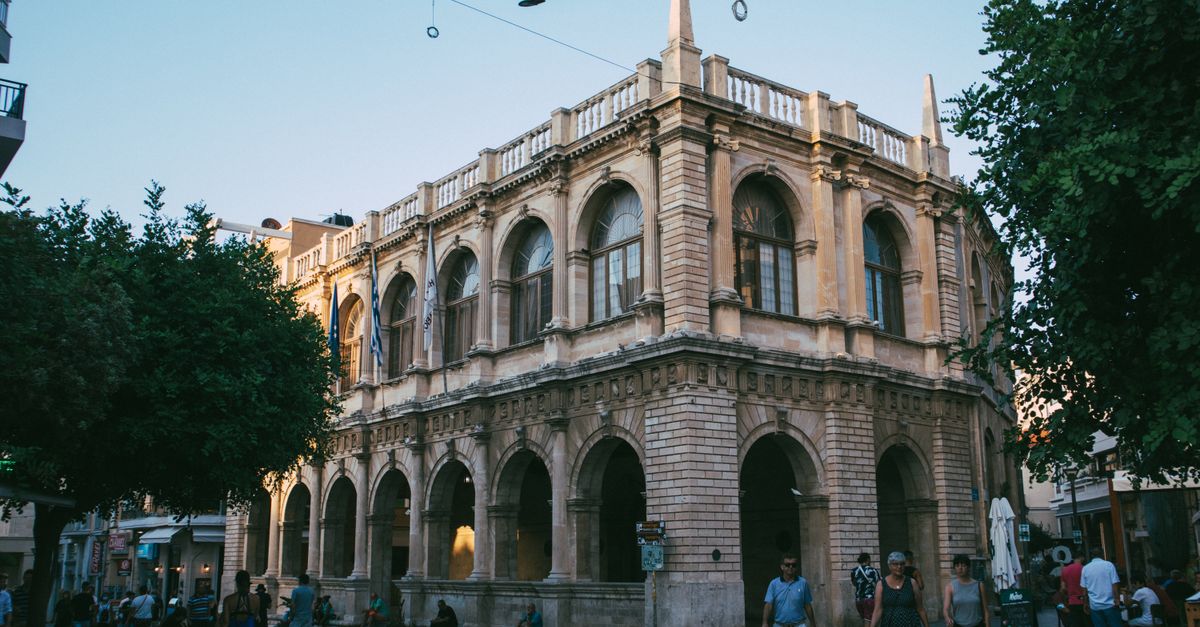
Why July in Ghent is different

Ghent has a year-round identity as a medieval canal city with a large student population and a strong reputation for plant-based dining, but July is a special case. From Friday 17 July to Sunday 26 July 2026 the city hosts the 183rd edition of the Ghent Festivities (Gentse Feesten), a free, ten-day, city-wide festival of music, street theatre, exhibitions, fairs, and parades. The 2026 programme includes 3,459 activities, and the previous edition drew close to 1.6 million visitors.
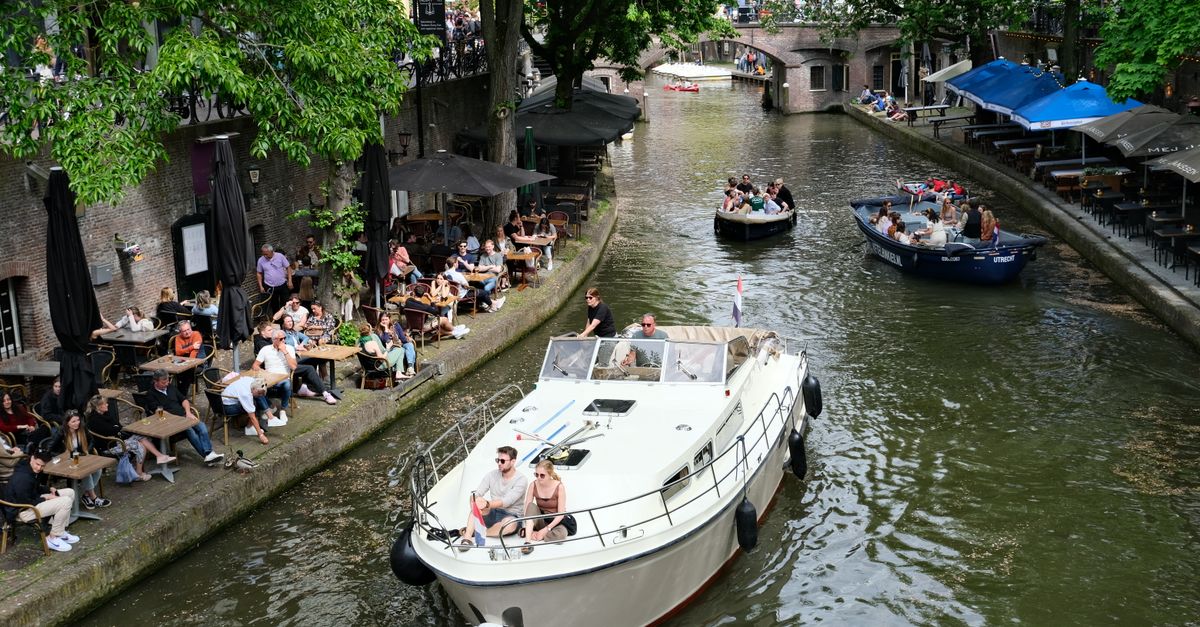
The rest of July keeps a quieter rhythm: warm evenings for eating along the Graslei and Korenmarkt, a calmer museum calendar, and long daylight hours for canal-side walks. Travellers should plan around the festival rather than ignore it, because it shapes transport, accommodation, and what the centre actually feels like.
July weather and what to pack
According to the AccuWeather July 2026 forecast for Ghent, daily highs range from about 21°C to 28°C across the month, with overnight lows between 13°C and 18°C. The long-term average is a high of 24°C and a low of 16°C. Yellow warnings for extreme high temperature are flagged across parts of the month, so heatwaves are possible.
Climate normals (30-year data) put July's rainfall at around 70mm across roughly eight hours of sun per day, and July is consistently cited as one of Belgium's wetter months, with thunderstorms possible. Bookmundi summarises the typical range as 14–23°C with 70–90mm of rain, while coastal towns are slightly cooler.
Practical packing: light layers for warm afternoons, a thin waterproof jacket for evening showers, comfortable walking shoes for cobbled streets, and sunscreen for the long festival days outdoors.
Getting to Ghent and getting around
Ghent sits on Belgium's rail network. For international visitors, NMBS (Belgian Railways) handles domestic trains, and b-europe.com handles cross-border bookings. From Brussels, Ghent is a short direct train ride away.
Within the city, Ghent runs a dense network of trams and buses operated by De Lijn. Tram lines 1, 2, 3 and 4 cross the city from end to end through the centre. The Lijnwinkel ticket shops at Gent-Sint-Pieters station and Korenmarkt sell tickets, and machines at tram and bus stops also dispense them.
Contactless payment works on all De Lijn trams and buses: a single ride is €3, with free transfers on any bus or tram within an hour. The De Lijn app is available in Dutch, French, and English and supports ticket purchase, live tracking, and stop notifications.
### Transport during the Ghent Festivities
During 17–26 July 2026, regular buses and trams do not pass through the Festivity Zone after 1 pm (after 6 pm on Friday 19 July 2026). They terminate at the edge, and visitors enter the zone on foot. Gent-Dampoort station is within walking distance of the festivities, and Gent-Sint-Pieters station is connected to the centre by a tram that operates around the clock.
For nights, De Lijn runs a feestbus night service from Gent Zuid, with departures at 00:30, 02:15, and 04:00, taking visitors to surrounding areas. A promotional roundtrip ticket costs €5. The Feestenbus G12 stops at the Urban Gardens campsite.
Because the centre is busy and partially pedestrianised during the festival, walking between nearby tram stops is often faster than riding.
The Ghent Festivities, day by day
Most programme items are free, and events are scattered across squares and parks in the historic centre. Some of the headliners named on the official Visit Gent programme include:
- **Boomtown** (17–23 July): international bands and young talent sharing the stage. - **Polé Polé Ghent** (17–26 July): a world-music programme on the Graslei. - **Medieval breakfast** (18–26 July): breakfast served as if you were a knight or noblewoman. - **Procession of Emperor Charles and the noose bearers** (24 July): a historical procession remembering a medieval punishment of Ghent's citizens. - **Summer fun fair** (17–26 July): a fair running alongside the music and theatre. - **Family fun during the Ghent Festivities** (17–26 July): programming specifically for children.
Squares to know by name include Vrijdagmarkt (a "royal welcome" weekend spot), Vlasmarkt (the late-night square), Oude Beestenmarkt, the Bij Sint-Jacobs flea market, and Baudelopark. During the festival, cafés and restaurants in the old town reportedly stay open until around 4 am. The opening on 17 July begins with multiple processions from Kapitein Zeppospark, Keizerpark, and Begijnhofdriespark, with a group arriving by boat at Baudelopark and another by tram from Brusselsesteenweg; at 18:00 the city sings "t Vliegerke" simultaneously from several squares.
Outside the festival window, July still offers long, warm evenings in Ghent. Daytime activities that hold up year-round include the Gravensteen Castle, St. Bavo's Cathedral (which houses the Ghent Altarpiece), and a slow loop of the canal-side streets around Graslei and Korenmarkt. Visitors planning the festival week should treat these as either pre- or post-festival activities, because the centre is dominated by stages and crowds.
Where to stay and how to book
WhenVerdict's review of Ghent in July is blunt: during the Gentse Feesten, accommodation is "booked out months in advance" and prices run three to four times the usual level. This is not generic seasonal advice; it is the documented effect of roughly 1.6 million festival visitors descending on a small historic city.
Practical planning: book hotels and any B&Bs as far ahead as you can if your visit overlaps 17–26 July 2026, and assume rates will be higher than the rest of the year. If you are visiting in early or late July outside the festival window, normal booking lead times apply. Staying in or near the historic centre keeps you within walking distance of the main festival squares, but it also puts you in the middle of the noise. Areas noted positively by local residents for their character include Patershol.
What to eat in Ghent
Ghent's food culture runs on four tracks: traditional Flemish comfort dishes, a strong plant-based scene, café culture, and a young contemporary gastronomy movement. The city has positioned itself as Europe's veggie capital since introducing the weekly Donderdag Veggiedag (Thursday Veggie Day) initiative, and vegetarian or vegan options appear on menus at venues that do not otherwise advertise themselves as plant-friendly.
Dishes that show up regularly in local restaurant conversations include:
- **Waterzooi** – a creamy stew originally made with freshwater fish, now often chicken, with vegetables, cream, and egg yolk. - **Gentse Stoverij** – Flemish beef stew slow-cooked in dark Belgian beer, typically served with fries and mustard-spread bread. - **Vol-au-vent**, **mussels with fries** (moules-frites), and **witloof** (chicory) gratin as Belgian and Flemish staples. - **Ganda Ham** – a dry-cured ham named after the old Celtic name for Ghent, with at least ten months of curing. It is served in many restaurants and cafés, often with Tierenteyn mustard, and sold in supermarkets and butchers. - **Belgian fries** with sauces such as mayonnaise, Andalouse, or samurai at dedicated fry shops. - **Cuberdons** (Gentse Neuzen) – cone-shaped raspberry-flavoured candies with a soft centre, sold fresh at street stalls and rarely exported because they harden quickly. - **Mastellen** – cinnamon ring-shaped bread rolls, often eaten at breakfast or during local festivals.
### How the food scene works in practice
The Expat.com guide, updated in 2026, flags a few practical points worth respecting:
- Dinner service typically opens around 18:00–18:30. - Many kitchens stop taking food orders before 21:00–22:00, even when the venue stays open as a bar. - Booking for 19:00–20:30 gives the widest choice; arriving at 21:30 expecting a full kitchen will often disappoint. - Cafés in the centre often run an all-day format covering breakfast, lunch, and dinner, and many double as study and meeting spaces.
During the festival, food and drink stalls fill the main squares, so the normal reservation question changes shape for those ten days.
Tickets, passes, and saving money
The Visit Gent CityCard lets you use all trams and buses in Ghent without paying extra and includes other discounts; Visit Gent advertises savings "up to €20" on the card. It is the simplest way to handle transport if you intend to use trams and buses multiple times a day.
For a single contactless trip, the €3 fare with free one-hour transfers is competitive for anyone hopping on a couple of times. For festival nights, the €5 feestbus roundtrip is the cheapest way to reach the surrounding suburbs or the Urban Gardens campsite.
For the festival itself, almost all programming is free, which is unusual for a festival of this size in Europe. The economic pressure is therefore on accommodation, food, and drinks during 17–26 July, not on tickets.
Safety and practical notes
Ghent is generally a low-drama destination for travellers: a compact, walkable historic centre with a heavy public-transport presence and a long evening culture. During the festival, the centre becomes much busier and louder, and many streets in the historic core are pedestrianised, which changes how you move around. Standard European travel precautions apply: watch bags in dense crowds, mind the cobblestones, and keep an eye on festival-zone closures if you have a specific venue to reach. For cyclists, note that tram and bus access changes during the festival, so plan your usual route in advance.
Before you go
Belgium uses the Euro. Exchange rates move, so treat any figure in this guide as a reference and check the live rate before exchanging money. Festival dates, programme details, and any transport changes are confirmed by the City of Ghent and Visit Gent closer to the event. Because the 1 pm / 6 pm transport cut-offs and feestbus schedules are specific to 2026, check gentsefeesten.stad.gent and visit.gent.be before you travel. Weather forecasts update daily, and the AccuWeather Ghent page is one place to watch the heat warning status.
Factual travel conditions can change. Confirm prices, schedules, festival dates, and any closures with official channels before departure.
Share this article
TOOLS FOR THIS PLAN
Make the Ghent plan measurable
Choose a tool only when it answers the next question in your trip. Your values stay in the browser, and each tool offers a route back to this planning context.