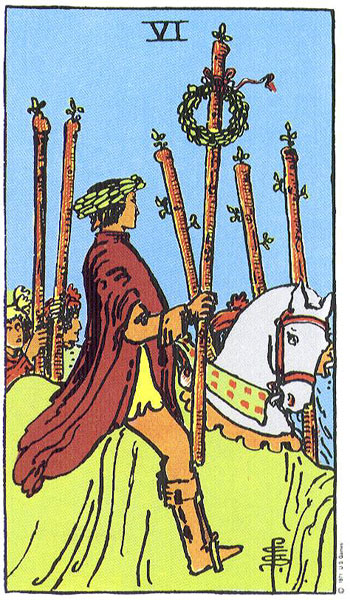
The Shared Core of the Sixes in Tarot Across Suits
All four Six cards in the Minor Arcana share one structural pattern, and a reader can begin with that shared pattern before the suits differentiate anything. Each upright Six describes exchange, recovery, recognition, or movement after difficulty. Each card points to a constructive direction that depends on the suit. Each upright card carries the same reflection prompt: "What would fair progress look like for everyone involved?" And each reversed Six signals that the same underlying pattern may be blocked, internalized, or showing its shadow side.
This means a Six is rarely a warning of something new entering the scene. The harder work is already underway. The card describes how that work is moving and what kind of return it can bring. Reading a single Six in isolation is tempting, but comparing the sixes in tarot across suits reveals how the same shared number can name different parts of a life at once. A spread that draws more than one Six is asking the reader to compare lenses, not to repeat a single meaning.
The upside of this design is that a reader who knows one Six has a working vocabulary for the other three. The downside is that the shared language can blur real differences between suits. The next section separates what each suit adds.
How Each Suit Reframes the Same Exchange
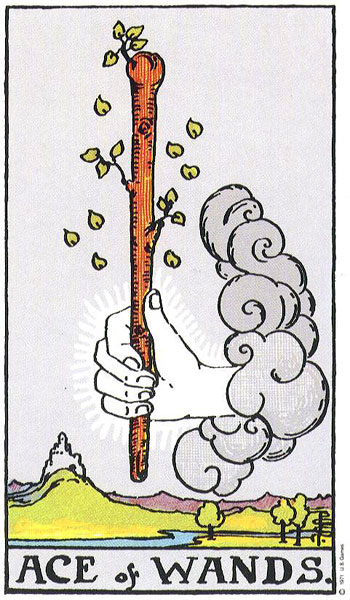
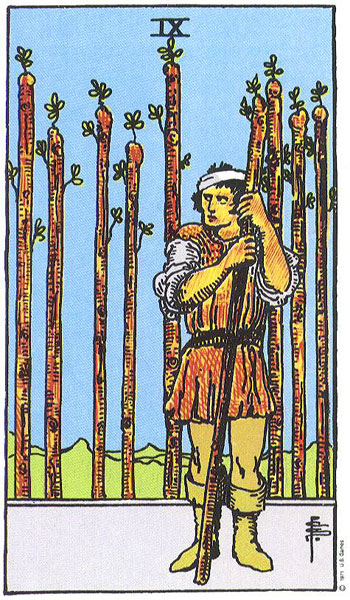
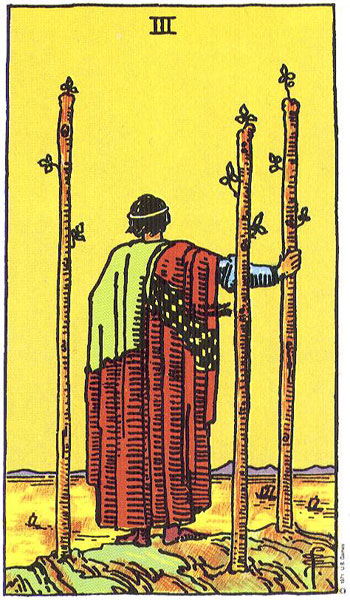
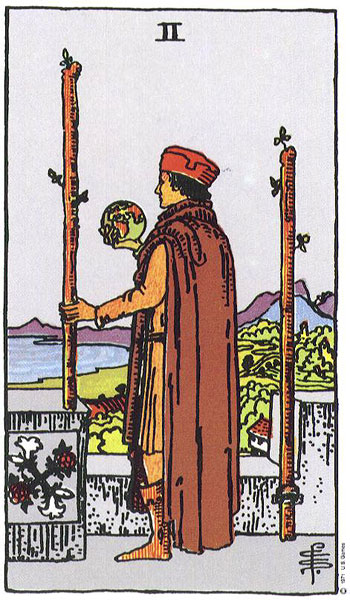
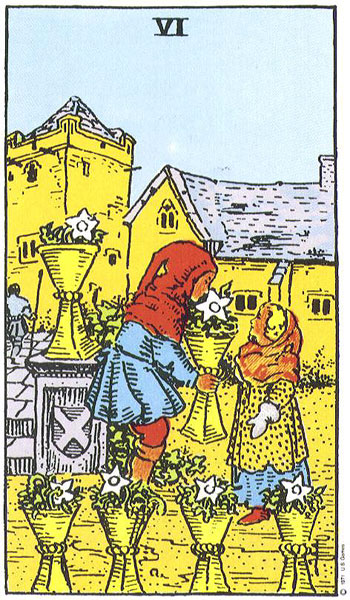
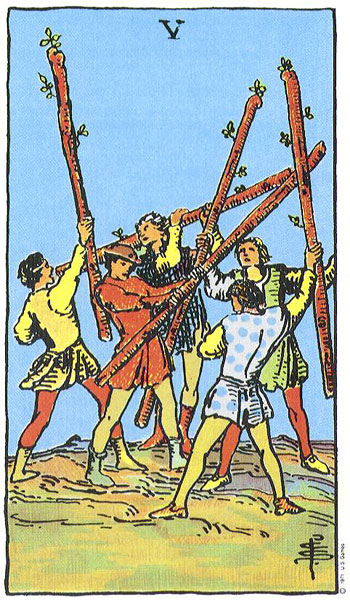
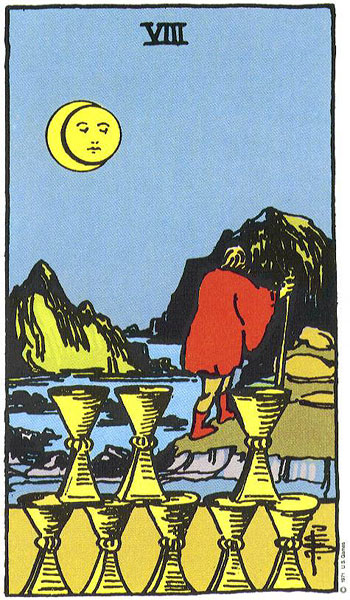
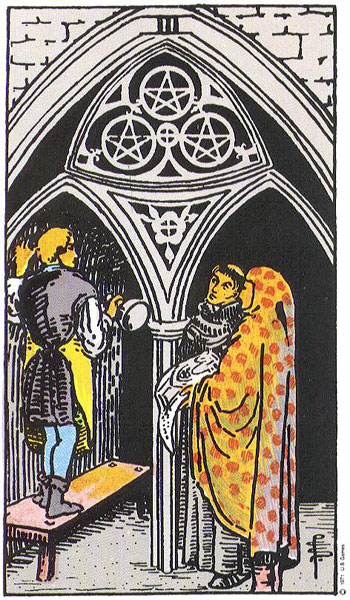
Once the common structure is in view, the suits begin to specialize. The Six of Wands frames exchange through initiative, creative energy, and purposeful action, with a constructive direction of directing energy toward work that matters. The Six of Cups frames the same exchange through feeling, relationship, imagination, and emotional response, with a constructive direction of recognizing and communicating the emotional reality of a situation. The Six of Swords frames exchange through thought, language, decisions, and conflict, with a constructive direction of using clear distinctions and honest communication. The Six of Pentacles frames exchange through work, resources, the body, routine, and material conditions, with a constructive direction of building something useful through steady, observable practice.
The shadow side mirrors the change. The Six of Wands reversed warns of burnout, impatience, or effort without a stable direction. The Six of Cups reversed can show projection, avoidance, or becoming overwhelmed by an untested feeling. The Six of Swords reversed points to overthinking, rigid conclusions, or words used as weapons. The Six of Pentacles reversed can manifest as scarcity fixation, stagnation, or treating measurable value as the only value.
This is the practical lesson of comparing sixes in tarot across suits. The same shape, exchange and recovery, bends with what each suit treats as primary material. Wands emphasizes will. Cups emphasizes affect. Swords emphasizes discernment. Pentacles emphasizes conditions. None is more "true" than the others. They are different lenses on one underlying transition, and the reader's job is to choose the lens that fits the actual situation.
A Realistic Reading: Returning a Borrowed Item
Suppose a reader draws the Six of Pentacles in a morning layout, asking what shape the day might take. The card speaks of exchange through resources and material conditions, so the reader might expect a question about money, time, or practical help.
Then a neighbor texts about returning a ladder that was borrowed six weeks ago. The exchange theme becomes literal in the world of objects. The card's constructive direction, building something useful through steady, observable practice, might suggest a quiet, low-key handoff rather than a public display. The reader may write a short message confirming a time and leave it at that.
If the reader had drawn the Six of Swords instead, the same neighbor exchange would read differently. The exchange would be reframed as a decision and a communication: how to phrase the message, whether to name the delay, what distinction to draw between lending and gifting. The Six of Cups would tilt the situation toward memory and feeling: an old friendship pattern that the ladder return reactivates, an emotional texture beneath a logistical request. The Six of Wands would tilt it toward initiative, asking whether the reader wants to use the return as an opportunity to organize a small project with the neighbor.
A reading that pulls two Sixes in the same spread gives a richer comparison. If the Six of Wands and the Six of Pentacles appear together, the reader is being asked to combine initiative with practical structure, to act in a way the conditions of the day can support. If the Six of Cups and the Six of Swords appear together, feeling and thought are negotiating with each other, and the reader can ask which one is currently leading. If all four appear, the spread is signaling that several life domains are in transition at once.
Interpretation Choices and How to Weigh Them
When a Six appears, a reader usually has at least two competing readings on the table. One reading will lean toward the constructive direction named on the card. The other will lean toward the reversed shadow, even when the card sits upright, because context can stress any upright meaning.
A useful first test is to write the literal situation in one sentence and then ask which suit lens best matches it. If the situation is about a conversation, the Six of Swords is likely closer. If it is about energy or motivation, the Six of Wands is closer. If it is about who feels what and how that is acknowledged, the Six of Cups is closer. If it is about time, tools, or money, the Six of Pentacles is closer. If two lenses seem to fit equally, that is useful information: the reader may be looking at a moment where two life domains are coupled and the cards are naming both.
A second test is to look for the absence. If everything in the situation is about resources and the emotional layer is invisible, the Six of Pentacles will feel accurate even if the Cups keyword "feeling" is missing. The missing piece is itself a clue. Tarot is not a prediction, and no single card can prove a future. The cards describe a pattern. The reader checks the pattern against ordinary evidence.
A third test is to weigh disconfirming evidence as carefully as confirming evidence. If the day the Six of Wands appears is unusually quiet, with no clear initiative to take, the upright reading may be describing a small movement the reader has not yet noticed, or it may simply be a poor fit for that morning. Both possibilities deserve space. Holding both interpretations gently is more honest than forcing one to win.
A fourth test is to remember that other people in the situation have their own readings. The Six does not speak for the neighbor or for anyone else. Their behavior is evidence, not a chapter of the reader's spread.
Questions to Verify in a Journal
A short list of questions can help a reader test whether a Six reading has been useful. None of these questions assumes the card was "right." They treat the reading as a hypothesis that can be refined.
1. By this time tomorrow, what changed in the area the Six named, whether that was work, feeling, thought, or material conditions? 2. Did the constructive direction fit, or did the reversed shadow fit better? If the shadow fit, what specific behavior matched it? 3. Was the shared reflection prompt useful: what would fair progress look like for everyone involved? Whose perspective was hardest to include? 4. If another Six had appeared instead, would the situation have read differently? If yes, in what specific way? 5. What ordinary evidence, separate from the card, supported or weakened the reading? 6. Was there a moment when I felt the urge to make the card "true" rather than to test it? 7. What did I learn about this suit that I had not noticed before this reading?
These questions treat the reading as one source among several. They preserve ambiguity rather than smoothing it away, which keeps future readings trustworthy. Tarot journaling answers over weeks often reveal that the reader has been over-weighting one suit or under-weighting another. The cards give a steady reference for that correction, and the journal keeps a record of how the lenses have actually been used.
Where the Pattern Stops
The Sixes are powerful comparisons because they share so much structure. Their limits come from the same place. The shared pattern is generic enough to fit almost any situation that involves some kind of return or transition. When everything fits, nothing is sharpened. A reader who draws three Sixes in a week is not necessarily receiving three identical messages. They may be looking at a season of life that is genuinely about exchange, and the cards are tracking its slow movement across different domains.
It is also worth remembering that the Minor Arcana describes patterns, not instructions. Tarot is not a prediction of who will act, who will speak, or what the body will do next. Real decisions about money, health, safety, and relationships belong to the reader and to qualified professionals. The cards are best used as a calm mirror that helps a person name what is already happening, then check that naming against the evidence of ordinary life.
Comparing the sixes in tarot across suits is, at its heart, a practice of noticing what stays the same and what changes when the lens changes. The shared number names a recurring shape. The suit names the material that shape is moving through. The reader's task is to keep both in view, to record what does not fit, and to let the pattern speak without forcing it. When a reading makes a quiet claim, the cards earn the reader's trust by being checked, not by being believed.
Share this article